
Key Takeaways
-
Make selections for kitchen flooring ideas Arizona that will withstand Arizona’s harsh temperatures and not fade in the sun.
-
Put moisture-resistant and easy-to-clean flooring first because kitchen spills aren’t going anywhere.
-
Which is the best flooring for your kitchen: porcelain tile, natural stone, luxury vinyl, concrete, or engineered hardwood?
-
Incorporate Arizona’s unique styles and mix a little modern with a little traditional with kitchen flooring ideas Arizona.
-
For homes with indoor-outdoor living areas, opt for hardy and weather-resistant flooring to provide an effortless transition from the kitchen to the patio.
-
Use the best flooring you can afford and pay for professional installation. It will hold its value longer as a result and make your home more attractive.
Arizona kitchen flooring ideas typically focus on durable materials that resist heat, dust, and lots of traffic.
Porcelain tiles, sealed concrete, and luxury vinyl score top marks for their combination of aesthetics, durability, and minimal maintenance.
Lighter tones aid in keeping rooms cool and collaborate with many home styles.
To assist you in comparing your top choices for your kitchen, the meat of the post discusses characteristics, cost, and advantages and disadvantages of each option.
Climate Considerations
Arizona’s climate determines the kitchen floors people choose. With our high heat, low rainfall and a mix of desert and mountain zones, not every floor plays nice. Here’s what the climate means for your choices:
-
Some flooring can actually crack, fade, or warp because of the high heat and dry air.
-
Mild winters in most regions make it easy. Mountain regions require floors that can cope with cold and damp.
-
Sunlight is unforgiving. Therefore, floors must resist fading and heat.
-
Low humidity means less risk of mold. It can dry out wood or cause some tiles to shift.
-
Cool surfaces keep kitchens more comfortable all summer.
-
For spills, moisture resistance is crucial in kitchens regardless of the climate.
-
For snow-heavy regions, wet boots and grit require floors that deal with water and don’t scratch too easily.
-
Energy use counts. Floors that insulate well can keep indoor temperatures stable, reducing heating and cooling expenses.
Selecting flooring that withstands heat and sun is crucial. Leading the list for Arizona kitchens are ceramic and porcelain tiles. These tiles stay cool even if outside temperatures go over 45°C. They don’t wear out quickly either and can stand up to years of foot traffic.
It’s a cinch to clean up spills because tiles do not absorb water or stain. Cork flooring is a wise choice for dry climates. It doesn’t crack or shrink in dry air and provides a little padding to your step. Cork is naturally insulating, so it keeps floors warm in the winter and cool in the summer.
This assists in conserving energy costs. Cork blocks dust and is easy to sweep, great for homes where dust blows in from outside. Vinyl floors are pretty typical, although not all varieties fare well in Arizona’s heat. Even regular LVP can warp if the sun shines on it day after day.
Stone plastic composite (SPC) is an even better option because it is heat resistant and remains flat. I love both SPC and tile in kitchens because they do not absorb spills and are easy to mop. For mountain areas with cold and snow, wet and cold capable floors are required.
Tile still does the trick, but some folks opt for engineered wood or waterproof laminate since these resist major temperature fluctuations and rain boots.
What Are the Best Kitchen Flooring Options?
Kitchen flooring is all about balancing factors like durability, maintenance, appearance, and comfort. Kitchens experience loads of spills, foot traffic, and busy days. The best kitchen flooring resists wear and tear, looks great, and complements the style of the home.
Below is a side-by-side comparison of top flooring options for kitchens:
|
Flooring Type |
Durability |
Maintenance |
Aesthetics |
Comfort |
Moisture Resistance |
Cost (USD/m²) |
Eco-Friendly |
|---|---|---|---|---|---|---|---|
|
Porcelain Tile |
High |
Low |
Modern, diverse |
Hard/cold |
Excellent |
25–60 |
No |
|
Natural Stone |
High |
Medium |
Unique, timeless |
Hard/cold |
Excellent |
70–200 |
Sometimes |
|
Luxury Vinyl |
Medium |
Low |
Wood/stone look |
Soft |
Good |
20–50 |
Sometimes |
|
Concrete |
Very High |
Low |
Minimalist, sleek |
Hard/cold |
Excellent |
30–80 |
Yes |
|
Engineered Wood |
Medium |
Medium |
Warm, classic |
Medium |
Fair |
35–90 |
Sometimes |
1. Porcelain Tile
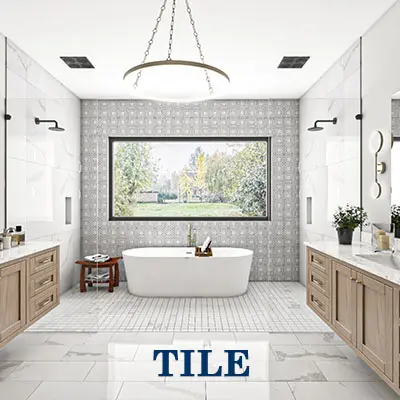
Porcelain tile is offered in a wide array of colors, shapes and finishes. Certain tiles mimic stone or wood, while others employ strong patterns. This makes them simple to match to any style of kitchen — from traditional to contemporary.
Large format tiles, which are now trending, help tiny kitchens look more expansive and minimize grout lines for a fresh look. Porcelain is hard, too, so it resists chips and scratches. It withstands water and heat well, so it’s a savvy option for bustling or open kitchens.
It only requires basic sweeping and mopping to clean it up. Because porcelain tiles work on floors and walls, backsplashes can match or contrast the floor for a very put-together space!
2. Natural Stone
Stone floors, such as granite, marble, and slate, bring the natural beauty of their patterns and feel. Every stone slab is different, so kitchens are adorned with a distinct appearance. Stone is rugged and endures for decades if sealed and maintained.
It complements stone counters or metal fixtures and imbues kitchens with a classic vibe. Stone is available in polished, honed, or tumbled finishes, so it complements rustic, modern, or luxury kitchens.
Stone floors can be cold and hard. They are ideal for homes in warm climates or with underfloor heating. Care means occasional cleaning and resealing.
3. Luxury Vinyl
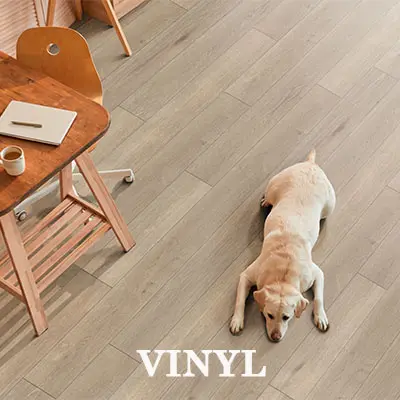
Luxury vinyl planks emulate the appearance of wood or stone, even at close range. It’s softer underfoot than tile or stone, which comes in handy if you’re prone to standing in the kitchen for hours. Vinyl withstands water, stains, and scratches, making it perfect for homes with pets or children.
It’s a lot cheaper than hardwood or stone and many styles click together for simple DIY installation. Vinyl is quieter, which is helpful for open plan homes.
Vinyl comes in matte or glossy finishes and numerous colors. Some brands incorporate recycled content, making vinyl a greener choice.
4. Concrete
Concrete floors have a sleek seamless appearance popular in modern kitchens. They can be polished, stained, or tinted for different looks, such as warm earth tones or bold colors. Concrete is hard, water-resistant, and requires minimal maintenance outside of sweeping and the occasional reseal.
It can endure for decades. Concrete can be produced with recycled material, so it is sustainable. Concrete is unforgiving and often cold, so it is frequently balanced with rugs or radiant heat.
5. Engineered Hardwood
Go for engineered hardwood that looks like the real thing but handles kitchen moisture better. Its middle is rigid, and its surface displays genuine wood graining, thus it suits both contemporary and classic kitchens.
It comes in various finishes, ranging from light oak to dark walnut. Engineered wood is warmer than tile to the touch and introduces natural warmth to the room.
It requires sweeping and the occasional refinishing to appear its best. It is not as water-resistant as tile or vinyl, but it is a nice compromise for those who want wood floors in the kitchen.
Embracing Arizona Style
Stylin’ and smarts in Arizona kitchens. The heat, dust, and dry air dictate what’s best for floors. Most homeowners desire floors that are durable, easy to maintain, and somehow just feel right for desert living. That is, more of us opt for options that marry aesthetic and practical without frills.
-
Wood-look porcelain tile: This tile stands up to heat and dust. It’s wood-like in appearance but doesn’t swell or crack. It’s simple to maintain, doesn’t reveal dust a lot, and just adds such a warm, organic aesthetic.
-
Large-format tile: These tiles give kitchens a smooth look and fewer grout lines. They’re fantastic at keeping dust out and are easy to mop. Some think they make spaces look chilly, so a lot of people blend them with rugs or gentler accents.
-
Engineered hardwood: This gives the look of real wood but is less likely to warp from dry air. It performs better than solid hardwood in Arizona’s climate.
-
Luxury vinyl plank (LVP): LVP resists water, scratches, and dust. It’s cushy underfoot and comes in all kinds of styles, from wood to stone.
-
Natural stone: For those who want a classic, desert-inspired floor, stone like travertine or slate fits well. These stones remain cool and complement various kitchen decors.
Locally-based materials give an authentic experience to Arizona kitchens. Native stone, such as flagstone or travertine, grounds the kitchen to the desert. These stones are resistant to heat and easy to sweep. Others utilize reclaimed wood for coziness and intrigue. This wood is typically kiln dried and has better longevity.

Southwest style loves honeyed hues, minimalist silhouettes and rustic undertones. Blonde oak, honey and neutral browns are prevalent as they mimic the desert. These colors coordinate with both old and new styles, making them versatile for almost any home. High-gloss finishes are not so much anymore because they show dust and scratches easily in Arizona homes.
Mixing old and new works in Arizona kitchens. For a timeless Southwestern aesthetic, combine wood-look tile with rustic cabinets and open shelving. To add a contemporary spin, incorporate big matte tiles with sharp edges and clean lines. Layering textures—think soft rugs on hard floors—injects comfort without sacrificing the crisp aesthetic.
Some pair plain neutral floors with colorful tiles for a mix of old and new.
Indoor-Outdoor Living
Indoor-outdoor living lends itself to homes in warm climates with moderate temperature changes. This configuration utilizes one flooring aesthetic from the kitchen to the patio, so each area feels connected. They get more space to live in and occupy, and the house itself seems bigger and lighter as well.
|
Flooring Material |
Where to Use |
Key Benefits |
|---|---|---|
|
Concrete |
Indoors, patios |
Strong, easy to clean, good for modern look |
|
Porcelain tile (R11 finish) |
Kitchens, patios |
Anti-slip, tough, suits many styles |
|
Wood-look porcelain tile |
Indoors, patios |
Warm look, weatherproof, blends with nature |
|
Large-format porcelain tile |
Patios, courtyards |
Fewer lines, easy care, modern appeal |
Pretty flooring is important. Concrete is a popular choice for both inside and out because it endures, doesn’t stain much, and can be dyed or stamped. For those who want it softer, wood-look porcelain tile delivers the look of wood but stands up to sun, rain, and spills.
This tile does well for homes with kids and pets because it doesn’t scratch or fade. Porcelain tile with an R11 anti-slip finish is kid and adult safe, so it’s perfect for families. Large-format outdoor patio porcelain tile with the same finish is another favorite for open spaces, as it makes petite patios appear larger and keeps folks safe when wet.
Smart design connects the kitchen and outdoor area in an aesthetically pleasing manner. It makes the two spaces feel like one, having the same tile running from your kitchen out onto your patio. Fewer steps or floor level changes assist people in transitioning from cooking to eating outside seamlessly.
This arrangement allows for more light and airflow, a bonus for homeowners who enjoy cooking, entertaining, or lounging outdoors. I mean, color and pattern count, as well! When you use a single easy color, such as light gray or beige, for both spaces, it makes everything seem serene and expansive.
Others, for a bold look, opt for tile patterns that extend from interior to exterior, such as herringbone or chevron. Choosing grout that matches the tile assists the eye to wander from one space to another uninterrupted.
Installation Insights
Selecting the perfect kitchen floor requires understanding how to install each variety and what makes each one successful in Arizona’s arid, hot climate. Many floors require very different preparation and the appropriate base to ensure longevity and style.
-
Begin with the floor preparation. Sweep it, bump check it, and dry it. For hard floors such as tile, flatten the base to prevent cracks. For floating floors such as laminate or vinyl planks, flat and dry sub-surfaces prevent the floor from shifting later.
-
Select appropriate underlayment. Underlayment that assists with sound, makes the floor ‘feel’ better and is a moisture barrier. For laminate, foam or felt underlayment is typical. For tile, a cement board or uncoupling membrane works best, keeping tiles in place even if the substrate moves.
In the case of vinyl, certain brands have an underlayment integrated, but if that is not the case, a slim foam layer will do. Cork requires a vapor barrier to prevent moisture intrusion.
-
Floor the room. Laminate planks snap together, so you can install them without glue. Vinyl planks utilize a click-lock or occasionally a peel-and-stick system, translating to less mess and quicker installations.
Here are the tile tips. Tile is more technical – apply thin-set mortar, place tiles, and space them evenly. Grout the joints after the tiles set. Cork tiles typically require adhesive, and each tile must be flattened until it adheres.
-
Complete with finishes and jumps. Mask joints at the edge with baseboards or trim strips. When your kitchen floor comes in contact with another surface, use transition strips so it appears neat and has no tripping points.
Professional installation is key for complex jobs, like large tile or natural stone, as errors can result in cracks or uneven floors. A pro understands how to deal with those tough cuts and lines those grout lines up straight.
They’ll select the right materials to overcome Arizona’s heat and aridity. Don’t skip the underlayment, or forget to acclimate your flooring before installation, or install floors over wet or uneven surfaces.
These installation insights might appear minor, but ignoring them frequently results in warping, bending, or loose planks, particularly with laminate and cork in arid environments.
Underlayment choice matters: foam for laminate, cement board for tile, vapor barrier for cork, and built-in layers for some vinyl. All of these contribute to the floor enduring longer and conforming to the climate, keeping the kitchen floor comfortable and strong.
Long-Term Value
Long-term value is important when selecting kitchen flooring, particularly in areas prone to dry heat or heavy usage. Your investment in quality flooring is about more than appearance. It can define the value of your home for decades. Durable floors resist wear and tear, reduce repairs or replacements, and save money in the long run.
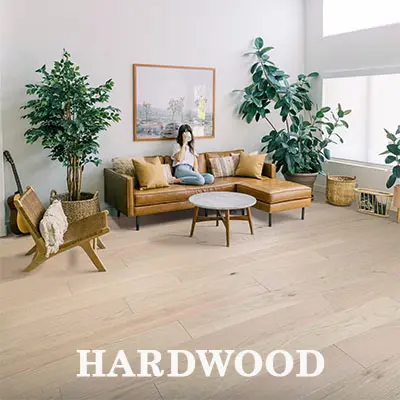
Classic quality materials such as hardwood flooring provide that warm, timeless appeal. Most buyers want wood floors, which increases the resale price of a house. Hardwood does require some TLC — frequent cleaning and immediate response to any spills.
Engineered wood has a robust core that resists moisture more effectively than solid hardwood. This tends to make it work well for kitchens, where spills and splashes are a frequent occurrence. It maintains its beauty through the ebb and flow of everyday kitchen action.
Porcelain tile and luxury vinyl plank are two great choices for longevity. Porcelain tile resists water, heat, and stains, so it’s a no-brainer in active kitchens. Its compact surface doesn’t scratch or chip easily, so it stays looking new for years.
Luxury vinyl plank offers the aesthetic of wood or stone with enhanced moisture resistance. It’s more cushioned underfoot than tile, which can be kinder on your joints if you’re standing in your kitchen a lot. Both are easy to maintain and require minimal maintenance, which reduces repair expenses in the long run.
Certain substrates, such as concrete, cork, or natural stone, might appear durable initially. They require sealant every few years to prevent stain and water penetration. This additional step adds to the expense and hours you dedicate to maintenance.
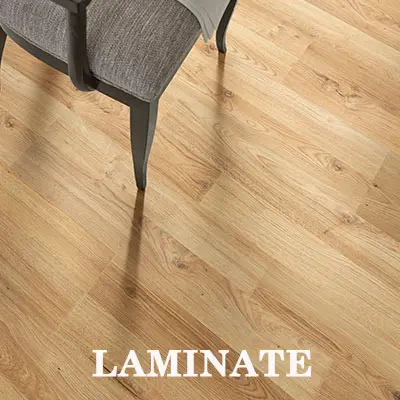
Laminate and vinyl are less expensive initially, but they can swell or peel if water seeps into the seams, leading to more repairs over time. Aesthetic and tactile properties contribute to long-term value. Floors with rich textures, such as hand-scraped wood or embossed tiles, provide an added sense of style and feel great on your feet.
These nuances differentiate a kitchen and attract buyers who desire ‘special.’ Selecting flooring that complements both present and future trends ensures your kitchen remains fresh and attractive for years to come.
Conclusion
Kitchen floors in Arizona have to withstand heat, dust and crazy days. Here, either cool tile, hardy vinyl or actual stone work is suitable. Light colors and smooth surfaces make cleanup simple and the kitchen cheery. Local style goes great with earth tones or even a splash of pattern. Many homeowners desire floors that carry from inside to patio, so choose floors that can withstand both. With proper prep and craftsmanship, floors hold up longer. Long use planners have much better value. To find the right fit, shop locally and request samples before you decide. For additional advice or assistance with your next steps, contact us or begin with an impromptu stop at a flooring showroom.
Frequently Asked Questions
What flooring materials work best for Arizona’s hot, dry climate?
Porcelain tile, stone, and luxury vinyl are perfect for Arizona kitchens. They are resistant to heat, moisture, and fading, so they are great in extreme heat and low humidity.
Are there kitchen floors that help keep a room cooler?
The ceramic and stone tiles are naturally cool, which helps reduce your indoor temperature. These are favorites in scorching Arizona, in part for this reason.
How can I choose flooring that matches Arizona style?
Seek out earthy colors, textured surfaces, and natural substances. Terracotta, travertine, and wood-look tiles resonate with local design trends and cultivate a warm, inviting kitchen.
Which kitchen floors work for indoor-outdoor living?
Non-slip porcelain and sealed stone tiles are durable and easy to clean. They flow easily from inside kitchens to outside, which is perfect for Arizona homes.
Is professional installation necessary for kitchen flooring?
Professional installation is advised. They guarantee a tailored fit, sealing, and durable results, particularly in the case of tile or stone floors that require exact cuts.
What flooring options offer the best long-term value?
Porcelain tiles and luxury vinyl are both very durable and low maintenance. These options fight stains, scratches, and fading, giving you value for years to come.
Can I install radiant heating under kitchen floors in Arizona?
You can have radiant heat under most tile or stone. It’s so uncommon here in AZ because of the warm weather. Most homeowners don’t need it.