
Key Takeaways

  • Choose flooring that will tie your open floor plan together and define separate spaces with rugs, mingling the whole.

  • Lifestyle, durability, and budget, both short-term and long-term, should guide your choice of flooring materials.

  • Weigh the advantages, disadvantages, and environmental impact of various flooring choices to determine the perfect match for your home and values.

  • Consider how sound, light, and texture affect the feel of your space and select flooring accordingly.

  • Utilize flooring transitions and design elements to both physically and visually divide zones while maintaining the flow.

  • Select classic, flexible, long-lasting flooring solutions so your open plan floor stays useful and attractive as your lifestyle changes.

Selecting flooring for open floor plans implies selecting a surface that connects rooms while accommodating your requirements. Open floor plans require floors that are durable underfoot, complement your aesthetic, and function for everyday life.

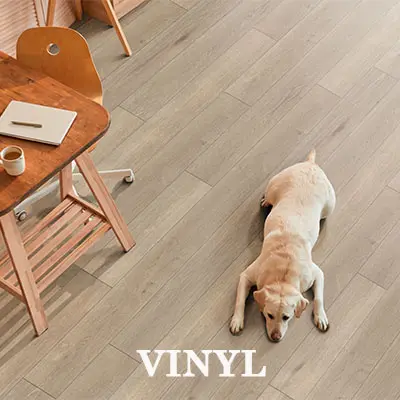
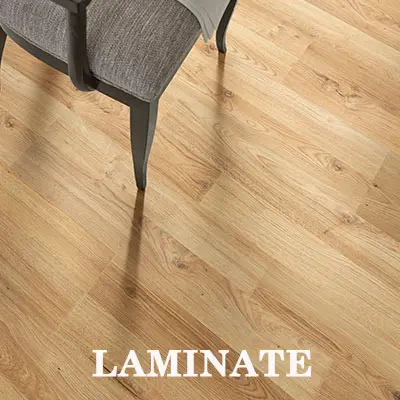
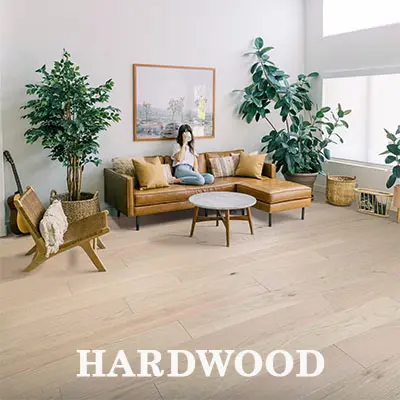
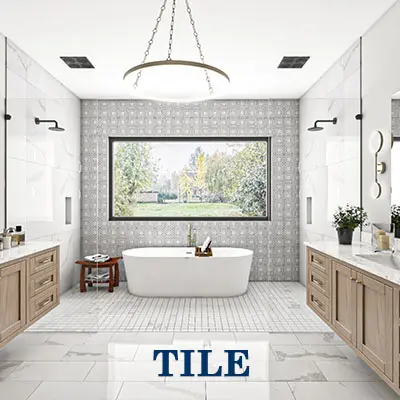
Floor choices such as hardwood, laminate, tile, and vinyl all have their advantages and disadvantages. Color, texture, and maintenance play a role in the decision.

With defined objectives, the right flooring can make both rooms feel connected yet functional.

The Cohesion Goal

Selecting flooring for an open floor plan is about more than simply finding a look you enjoy. Open layouts melt rooms together, so the floor needs to work for all of them at once. A cohesive look is important. This frequently translates into selecting a single flooring type for the entire space.

When you have the same floor continuing from the kitchen into the living and dining space, it feels bigger and more cohesive. It keeps your eyes bouncing and makes every nook and cranny of the home feel like it is part of a cohesive whole. For homes with large openings between rooms, 2.4 meters wide or larger, this feeling of flow and cohesion is even more intensified.

Flooring selection establishes the tone for each area of an open concept space. Low contrast between floors allows one space to blend into the next. If you alternate styles or colors, it fragments the space and makes it seem smaller or disconnected.

In choosing flooring, seek out something that matches the design of your entire home. Light woods can bring airiness and brightness into spaces, whereas darker hues lend a cozy warmth and sometimes shrink the room’s perceived size. Natural stone, tile or polished concrete can lend a fresh, modern aesthetic, but it helps to maintain close colors and finishes so you don’t disrupt the flow.

Below is a table with common flooring types and how they support visual harmony in open floor plans:

Flooring Type

Visual Harmony

Key Attributes

Hardwood

High

Warm, natural look, blends with many styles

Laminate

High

Uniform, cost-effective, easy to match

Luxury Vinyl

High

Consistent finish, moisture resistant

Porcelain Tile

Medium

Clean, modern, but grout lines stand out

Polished Concrete

High

Seamless, modern, can be tinted for unity

Carpet

Low

Cozy, but breaks up space and absorbs sound

Natural Stone

Medium

Unique patterns, may show more seams

Once, a clever way to delineate different spaces, a dining area here, a sitting nook there, without fracturing the floor are area rugs. Rugs assist in designating areas for eating, working or relaxing, but the primary floor remains consistent throughout the plan.

This maintains a clean, open appearance and provides each component with a feeling of its own location. To maintain the cohesive look, select rugs that complement the color or style of your floor, not ones that call too much attention to themselves or clash with the underlying surface.

Key Selection Factors

Selecting flooring for an open floor plan requires considering how each option functions for everyday living, appears throughout the entire space and complements your budget. Open layouts require finishes that can endure, unify spaces and promote adaptable living. Visual flow is number one; it might be one flooring throughout or smooth transitions, anything to make the rooms feel like one big room.

1. Lifestyle

First, consider your family’s use of the space. PS – Got kids or pets? Choose flooring that can take a punch, such as luxury vinyl or tile, perhaps. For some, low-maintenance floors are a must-have, while others may appreciate a plush finish for comfort.

Each space, kitchen, living, and dining, has to function for what you do there, so consider spills, play, or entertaining. What kind of floor works for now may not suit as your life shifts. Thinking it through now saves you headaches down the line, like changing out floors while your family gets bigger or your style changes.

Flexibility is key. Your floor needs to keep up with you.

2. Durability

Here are the most important factors to consider. Open floor plans get more feet on them, so hard surfaces such as tile, hardwood, or durable vinyl hold up better. Check wear layer thickness if you select vinyl. Thicker usually means more capable of enduring those daily scuffs.

Protective finishes on hardwood or laminate can maintain the surface in good condition even with heavy use. Wood floors, for instance, retain their value and style and are great for open homes. They require a little maintenance to keep them looking sharp.

3. Budget

Determine your budget in advance. This trims your options and eliminates unexpectedness. A lot of budget-friendly flooring, such as laminate or vinyl, provides the appearance of natural wood or stone without the steep cost.

Installation can be a big chunk of the total cost, sometimes as much as the materials, so consider that. Keep the long view in mind. Investing a little extra money in a tough floor can pay off down the road because you’ll need less repairs or replacements.

4. Aesthetics

Choose colors and finishes that connect your rooms. No matter your selection criteria, having one flooring type or similar tones throughout your spaces really helps the area flow and feel connected. Texture, plank width and even patterns add interest and let you show your style.

Flexible floors evolve with the times. Brave selections like wood-look tile can age quickly, so consider if you desire a classic or style-focused aesthetic.

5. Maintenance

Different floors require different care. Some, like tile or vinyl, clean up quick and accommodate hectic schedules. Others, like hardwood, can require more effort. Periodic refinishing or sealing maintains them sturdy.

Moisture-prone areas, such as kitchens or bathrooms, demand floors that are easy to clean and water resistant. Coordinate mini maintenance tasks to assist flooring in holding up for years.

Material Showdown

When selecting flooring for an open floor plan, you have to consider how each space will integrate in both appearance and texture. We tend to gravitate toward hardwood, laminate, or tile because these types of materials play to big, open spaces. Hardwood remains a perennial favorite. It complements classic and modern aesthetics and increases the worth of your home.

Laminate mimics wood but is cheaper. It’s easy to maintain and performs well in high foot traffic areas. Tile is hard, waterproof, and stands up in kitchens or doorways. Others get adventurous and give wood-look tile a shot, which offers the aesthetic of wood with all the strengths of tile, though this one feels like it’s peaking. Carpet is rare in open plans, particularly downstairs, because it tends to date spaces or disrupt the flow.

It’s not only about appearance that material matters. It involves budget and lifestyle. For instance, LVP is frequently selected in houses below $350,000. It resists spills and scratches, yet it’s soft underfoot. Parents or pet owners might want to make a smart choice.

Big open plans frequently have only one kind of flooring to maintain the space open and uncomplicated. When rooms are divided by cased openings or well defined, it can succeed to switch materials, but maintaining the contrast low helps the room circulate.

Here’s a simple breakdown of main flooring types for open floor plans:

  • Hardwood * Pros: Timeless, boosts value, fits many styles, lasts long.

    • Cons: Pricey, needs care, can scratch or swell with water.

  • Laminate * Pros: Less costly, easy to install, scratch-resistant.

    • Cons: Can sound hollow, may not hold up to water.

  • Tile (including wood-look tile) * Pros: Hard-wearing, easy to clean, water-resistant.

    • Cons: Cold underfoot, grout needs cleaning, can be slippery.

  • Luxury Vinyl Plank (LVP) * Pros: Affordable, water-resistant, soft feel, many looks.

    • Cons: May not add as much value as wood, can dent.

  • Carpet * Pros: Warm, soft, quiets sound.

    • Cons: Hard to clean, can date the space, wears out.

Sustainability is suiting a lot of people. Bamboo, cork, and reclaimed wood are nice options for eco-conscious folks. Both choices require less energy to produce or originate from renewable sources.

The Unseen Influences

Flooring does more than cover the ground. It determines how light, sound, and movement harmonize in an open floor plan. Every decision, from texture to color, has the potential to alter how a space appears and feels. These hidden forces frequently propel the coziness, security, and design of a house, even if they’re overlooked at first.

Acoustics

Noise travels effortlessly through open floor plans, and hard surface floors can add to the cacophony of a room. Wood, laminate, and tile all allow noise to bounce around, which can be an issue in bustling or multi-level houses. Underlayment beneath these floors can help absorb sound, making spaces less echo-y and more tranquil.

Carpet is another way to help soften noise, particularly in family or kids’ spaces. Even a large rug can disrupt sound. If silence is the objective, lighter, cushioned flooring or additional noise dampening can go a long way for peace-seeking families.

Light

Natural light has an enormous effect on the vibe of an open concept home. Flooring color and finish can affect the perceived brightness of a room. Light wood or pale tile reflect more sunlight, which gives the impression of a larger, more open space.

Matte finishes absorb light, creating a more muted appearance, whereas shiny floors can reflect light and create sparkle. The orientation is important as well, with planks or tiles running in the same direction as windows to aid light in traveling throughout the entire room. Selecting the perfect color and finish combination can help maximize daylight and keep the space feeling fresh.

Texture

Flooring demands texture. A combination of textures, such as slick wood in the living room and grittier tile in the entry, can delineate each space while maintaining circulation. Finishes that provide texture, such as brushed wood or patterned tiles, give the floor some grip and prevent people from slipping, which is essential by kitchens or doors.

Even how things feel underfoot, plush carpet in the private rooms, tempered tile in the kitchen, or warm woods in the great zones all imbue a different comfort factor. Tweaking contrast, whether it’s woven rugs against slick floors or jewelry adorning a t-shirt, makes the open plan visually engaging and keeps it from ever feeling one-dimensional.

Transitions

Seamless transitions maintain open floor plans spread across different floors while still feeling connected when they come together. Employing transition strips at doorways or between kitchen and living areas can meld two surfaces together. Minimizing height differences prevents tripping.

Color and style need to align with the remainder of the design, making the transition from floor to floor seamless and organic. Unified flooring throughout the plan can make space flow, while different materials can define zones, such as a clay tile kitchen adjacent to a wood floor dining room.

Defining Your Zones

Open floor plans make homes feel spacious and allow individuals to flow fluidly between areas. They introduce a challenge: making each area feel defined and functional without walls to separate them. How you select and utilize flooring goes a long way in crafting these zones. In most homes, the kitchen, dining, and living areas all blend into one big space. Choosing floors that suit both aesthetics and function helps establish an environment that functions beautifully.

To effectively define your zones, consider the following strategies:

  • Use rugs to delineate living and dining areas, adding softness and a visual ‘break’ in look. It helps the eye see where one zone ends and the next begins.

  • Switch color or flooring to indicate a change in use. A wood floor in the living room can transition to tile in the kitchen, so you instantly know where each zone begins.

  • Designate your zones using floors with varying textures or scale. Wide planks in one area and small tiles in another indicate a shift in function.

  • Demarcate your zones with border tiles or trims so you don’t have to do full floor changes and still create a definite and subtle shift in look.

  • Stay with one flooring type for a flowy, open vibe if you want the space to read as one. Toy with color shifts or rug layering to lend each zone a touch of its own character.

Area rugs are an easy method for fragmenting large rooms. For instance, a big rug under a table informs you that it’s the dining area, whereas a plush rug next to the couch demarcates the living area. For kitchens, switching to easy-clean tile provides a hint that the space is for cooking, while maintaining wood or vinyl in the living room adds warmth and comfort. These minor adjustments help you easily visualize each zone’s purpose and maintain order.

When assigning your zones to the appropriate floor, consider the following: hard, smooth surfaces like tile or stone work well for high-traffic areas like kitchens. Softer floors, such as cork or carpet, bring comfort to areas where folks sit or play. If you want every space to flow together, use the same floor and change the color or insert rugs for a touch of division.

To maintain a cohesive appearance, choose hues and fabrics that complement each other. Too many audacious shifts can bust the flow. Tiny tweaks, like a paler wood or a silky rug, help each zone stand out without butting heads. Most people employ a subtle shift in color or texture so the space feels connected, but each zone pops just enough.

Future-Proofing Choices

Flooring isn’t only about what works in the moment. It’s an investment that frequently outlives furniture or wall paint or even current design fads. When choosing flooring for an open floor plan, it’s wise to be future-proof and consider what will still look stylish and be functional years down the road.

Trends may be fleeting, but timeless selections like wood floors never go out of style. Wood retains its worth, complements a number of decor styles and looks great as it ages, making it a home run for nearly every house. Certain fashionable looks, wood-look tiles for example, don’t age as gracefully. They can become unfashionable fast, so you’ll want to avoid them if you’re going for a timeless look.

Durability should be top of mind, too. Open floor plans lead to more foot traffic, which makes the flooring essentials that much more durable. Families expand, pets enter and leave, and style shifts. Durable materials, such as solid wood, engineered wood, and premium LVP, are crafted to withstand these changes.

LVP, for instance, is scratch-resistant, simple to clean, and resilient in busy households. It’s affordable, at least for houses priced under $350,000, which makes it accessible. Terra cotta and clay tiles bring a warm, earthy sensation and can beautifully complement certain open spaces. These aren’t always the right fit for every budget or climate, so it’s smart to consider the positives and negatives before heading this direction.

Color has a big role in future-proofing. Neutral, versatile colors such as natural wood tones, beige, or cool grays pair with just about any aesthetic or palette. These shades simplify the ability to change your furniture, area rugs, or paintings without conflicting with the floor. Flooring that’s too bold or trendy can trap you into a certain aesthetic, which may not suit your needs in the future.

Low contrast between flooring materials aids, particularly in open floor plans. It causes the eye to flow easily from one area to the next, making the entire space feel larger and more cohesive. Planning for change means choosing floors that complement the rest of your home, both now and down the road.

If you think you might remodel, stick with things that look good in multiple styles, like light oak or matte-finish tiles. It’s okay to transition some materials, such as tile in a kitchen and wood in a living room, if you have cased openings or would like to designate distinct areas. This keeps options open as your needs and style evolve.

Conclusion

Open floor plans are best served by floors that fit the way you live. Select durable material for high traffic areas, easy-clean floors around food and plush options where you lounge. Consider light, noise, and heat transfer through each area. Consider wood, stone, tile, or even vinyl; all have their advantages. Attempt to maintain colors and looks consistent from area to area, but incorporate little variations to distinguish each zone. Find floors that last, feel good and fit your budget. Bring some samples home to see how they appear in your particular space. Ready to explore! Discover what just feels right, fits your life and makes your house flow from room to room.

Frequently Asked Questions

What is the most important factor when choosing flooring for an open floor plan?

The key is cohesion. The same flooring ties spaces together visually and doesn’t create jarring transitions, so the space feels bigger and more cohesive.

Can I use different flooring materials in an open floor plan?

Yes, ensure the transition is seamless and the colors coordinate. This establishes distinct areas without disrupting the open flow of the space.

How do I define zones in an open floor plan with flooring?

Use flooring transitions in material, color, or pattern to delineate dining, kitchen, and living spaces without the use of walls.

Which flooring materials work best in open floor plans?

Your most popular options are hardwood, luxury vinyl, and large format tiles. These provide sturdiness and a clean appearance that spans extensive spaces.

What should I consider for flooring durability in high-traffic zones?

Opt for materials with high wear resistance, like porcelain tile or engineered wood. They are tough enough to withstand high traffic use and they clean up easily.

How does natural light affect flooring choice in open spaces?

Natural light shifts flooring colors. Test samples in your room at various times of day to determine the perfect fit.

How can I ensure my flooring choice stays in style for years?

Opt for neutrals and timeless materials. These choices won’t date as easily and are simpler to refresh with new furnishings or accents.