Key Takeaways
-
Flooring upgrades in any form, such as hardwood, engineered wood, luxury vinyl or high-quality tile, add to a home’s resale value and make it more appealing to buyers.
-
By being consistent with your flooring and selecting the right material for your home’s style and climate, you can craft a more cohesive aesthetic that will resonate with general buyers.
-
Prioritizing durable, easy-to-maintain, and hypoallergenic flooring options enhances comfort, health, and long-term value for potential buyers.
-
By investing in professional installation and higher-grade materials, you’re guaranteeing long-lasting performance and buyer confidence.
-
Existing hardwood floors that are refinished provide homebuyers with a sense of a move-in ready property.
-
One way to boost your home’s resale value is by investing in flooring upgrades that make a statement.
Hardwood, luxury vinyl and tile selections are some of the most common flooring upgrades that increase home resale value. Their floors are simple to maintain, they’re durable for years and coordinate with a wide range of styles.
All sorts of buyers crave powerful, new floors. New flooring can make rooms look more spacious and airy as well, which does wonders when it comes to selling a house.
To help you select the most valuable flooring, the main body provides information on costs, trends, and what buyers like.
Top Flooring Investments
Flooring upgrades have the ability to form a home’s first impression and increase resale value. These are the smart top flooring investments you make because buyers today seek quality, versatility and durability. The correct flooring can enhance style and function, frequently returning an ROI of 50 to 90 percent.
Nothing beats a solid piece of flooring that matches from room to room, but it’s important to consider a material that complements the home’s aesthetic and the local market for best results. Below, three top flooring choices—hardwood, engineered wood and luxury vinyl—prove themselves a savvy investment for a home’s resale value.
|
Flooring Type |
Features |
Pros |
Cons |
Price (per m²) |
|---|---|---|---|---|
|
Hardwood |
Solid wood, refinished multiple times |
Timeless, high ROI, long lifespan |
Costly, sensitive to moisture |
$32–$160 / €30–€150 |
|
Engineered Wood |
Plywood base, real wood top layer |
Affordable, stable, eco-friendly |
Limited refinishing |
$22–$86 / €20–€80 |
|
Luxury Vinyl |
Waterproof, wood/stone look |
Durable, low cost, wide styles |
May not boost value as much |
$11–$54 / €10–€50 |
|
Tile |
Ceramic, porcelain, or natural stone |
Water-resistant, long-lasting |
Cold feel, grout needs care |
$16–$75 / €15–€70 |
1. Hardwood
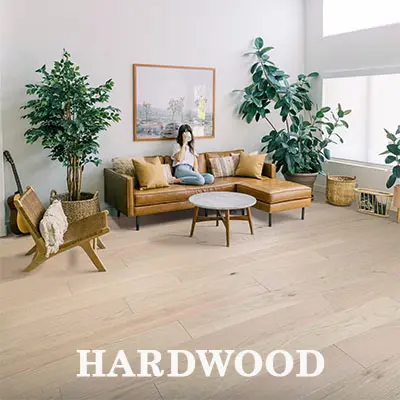
Hardwood floors have long been coveted for their warmth, stylishness, and timelessness. They’re considered a luxury item in homes globally. With such a broad selection of species—oak, maple, walnut, cherry—homeowners can coordinate with any style, from rustic to urban contemporary.
Hardwood’s longevity extends beyond decades; with proper care, it can last up to a century. When you want to restore it, refinishing brings the luster back to life. In many markets, hardwood floors recoup 80 to 90 percent of their cost at resale and occasionally more when buyer demand is high.
2. Engineered Wood
Engineered wood provides a wood appearance at less cost. It’s constructed with a hardwood top and plywood base. This construction is moisture resistant and performs well in areas where solid wood could warp, such as humid or dry climates.
Wide planks in species such as oak or walnut are particularly in demand. Some engineered wood is produced with environmentally-friendly processes, which can attract shoppers who are green-minded. Installation is quick and usually cheaper than solid wood.
Nearly all of our products can be installed as a floating floor, reducing labor expenses. ROI is usually between 70 and 80 percent.
3. Luxury Vinyl
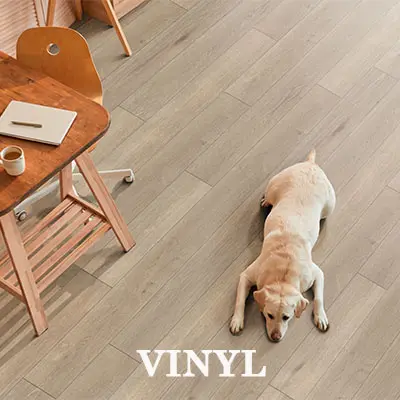
Luxury vinyl is waterproof, so it’s a winner for kitchens, bathrooms, and entryways. It mimics wood or stone for a fraction of the price. Vinyl plank flooring will endure roughly 20 to 50 years and requires minimal maintenance, just routine sweeping and mopping.
With so many styles and colors available, finding matching décor is a breeze. Active households love vinyl because it’s scratch resistant and soft underfoot. Vinyl may not add as much value as hardwood, but good-quality luxury vinyl can still increase a property’s cache, particularly when it’s installed throughout the home for a cohesive appearance.
4. Tile
Checking existing flooring is crucial prior to enhancements. It does matter to have consistent floors across rooms. Buyers like a smooth flow with matching floors. The home’s style should guide your selection.
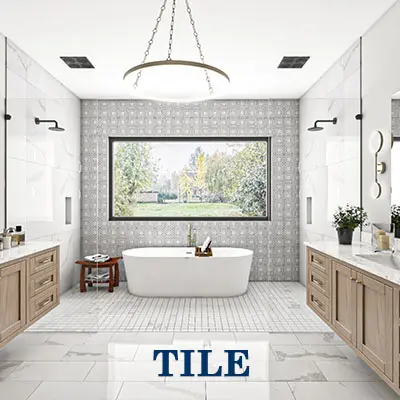
Tile works perfectly in Mediterranean or modern homes, for example. Quality tile floors can have an ROI of 70 to 80 percent, particularly in kitchens and baths. Tile’s coolness is a bonus in hot areas, while sustainable bamboo might work in others.
Hand-picked tile can last for decades, but grout requires regular maintenance to keep it looking fresh.
Strategic Evaluation
Flooring can influence how buyers perceive a home. It influences first impressions, comfort, and even a buyer’s perception of a room. A strategic review of floors is crucial since flooring comes in just behind structural features like roofs for buyers. Upgrades in this area can increase value, accelerate the sale, and decrease buyer reluctance.
Condition
About strategic evaluation, a unified floor plan begins with the fundamentals. Matching floors in the common spaces is essential. Employing the identical fabric or hue in living rooms, hallways and kitchens makes rooms flow and feel bigger. Buyers will notice if there are abrupt changes in floor type between rooms, which tends to break up space and feel jarring.
Inspect for abrasions, dents and stains, particularly in the traffic areas. Refinished hardwood is a cheap value add; it fetches back up to 147% of its cost. Even little things, such as patching chips or a deep clean can give your bike a boost.
For open floor plan homes, coordinating floor colors and textures provides a cohesive, refined appearance that attracts many buyers. Emphasizing continuing care and cohesive style when you’re showing can increase perceived value. Homes with clean, maintained floors on every level tend to leave an impression on tours, and buyers are more willing to view the property as ‘ready to move-in’.
Consistency
Flooring and the local market are a match made in heaven when it comes to buyer expectations. For instance, if the majority of houses in the neighborhood feature natural wood or ceramic tile, opting for carpet or laminate in main living areas may seem at odds.
Think about the home’s style as well. A classic design is a good match for wood or stone, while contemporary homes can carry smooth vinyl or polished concrete. Climate has a role. In humid climates, tile or vinyl could outlast hardwood. Wood or carpet in colder climates warms the foot.
Think about who will live in the home: young families may prefer durable, easy-to-clean options. Retirees may seek comfort and safety. It’s market research that keeps you from falling on your face. House and neighborhood appropriate flooring soothes buyer anxiety and sustains top dollar resale prices.
Context
Light floors can make rooms appear larger and more airy, which is desirable in tiny houses or flats. Neutral colors allow buyers to imagine their style in the space. New or newly refurbished floors provide a move-in ready vibe, and that is always a terrific selling feature.
A lot of buyers want to avoid the stress of immediate updates. Clean, hypoallergenic materials like some laminates or sealed wood say healthy, low-maintenance home. Flooring can influence buyer emotions about a home. Warm tones and plush textures exude hospitality. Clean lines and seamless transitions convey calm and order.
Buyer Psychology
Flooring affects buyer psychology. The right decisions make spaces appear lighter and larger. Matching floors let living spaces bleed into each other, which buyers pick up on immediately. Stains or old floors will spoil a first impression and decrease the resale value.
Large-format tiles or planks reduce grout lines and provide a cohesive appearance that many buyers appreciate. With wood or tile finishes, choosing light shades like Scandinavian blondes or pale greys reflects natural light and contributes to an open ambiance. Area rugs can section off spaces, like a reading nook or dining area, without shutting the room.
Perceived Space
Contemporary flooring trends attract consumers seeking a nice combination of aesthetic appeal and low maintenance. Wide planks or large tiles make floors appear less hectic and cause rooms to seem larger. The simplicity of clean lines appeals to many and matches the trend.
Keeping floors immaculate and well maintained is crucial. Buyers notice every scratch and stain, and these impressions remain with them after a showing. If the home has new floors, make a big mention of this in your ads or listings online. Many buyers want to be able to move in and not have to tear up or fix floors.
A warranty or guarantee on new floors provides buyers additional peace of mind and demonstrates that the investment is safeguarded for years ahead.
Move-in Ready
Buyers today desire healthy homes. Low or no VOC flooring is a huge attractor, particularly for families. Hard surfaces such as wood, tile, or vinyl are simple to clean and reduce the amount of dust and allergens.
Quiet floors count—thick underlays or cork-backed planks can really keep the noise down, which is crucial in active families or shared accommodations. Sustainable choices, such as bamboo or recycled fibers, attract buyers who care about the earth and themselves. These are good things to highlight in any home listing or on tours.
Health Cues
Understanding local weather assists in selecting the optimal flooring. In humid locations, tile or vinyl would likely be better than wood. By matching the floor to what most homes in the area are dressed in, it just ‘felt’ right for buyers.
For upscale homes, solid wood or stone adds value and pops, while mid-range might be fine with top-quality laminate or engineered wood. Staying on top of real estate trends such as the recent shift toward light, bright floors enables sellers to provide buyers with what they’re looking for.
Sturdy, timeless floors such as oak or maple attract buyers since they understand these will last a lifetime.
Market Nuances
Some market nuances Flooring upgrades do wonders for a home’s resale value. It’s not as simple as choosing something new or flashy and calling it a day. According to us ‘closets to kitchens’ flooring specialists, buyers in different global markets demand options for climate, home style and price point.
Quality, longevity and clever placement count and these emphasis change according to local demand and purchaser demographics.
Climate
Waterproof flooring is essential in damp areas to protect from swelling, deformation, or fungus. Materials such as ceramic tile, luxury vinyl, or engineered hardwood tend to be popular selections for damp areas. These choices fend off water damage, prolong floor aesthetics, and save buyers on subsequent upkeep.
In areas of large temperature variations, flooring has to accommodate expansion and contraction. Engineered hardwood and premium laminate are less likely to crack or warp than solid wood in these environments. Insulated flooring, like cork or some underlayments, goes a long way in cold regions.
These are the materials that help trap heat and keep homes toasty and energy-efficient. Market season-appropriate flooring helps sellers distinguish themselves. Buyers are frequently willing to spend more for weather-appropriate upgrades because they know it translates to less hassle and expense in maintenance later.
Home Style
Flooring that marries with the home’s style for optimum impact. Classic hardwood is ideal for traditional homes, as it brings timeless appeal and complements period details. For contemporary homes, shiny vinyl planks or oversized tiles do the trick.
They can provide a fresh, modern appearance that attracts buyers in search of something new. Our urban purchasers tend to adore bold tile work or a polished concrete finish, which has both an eye-catching quality and sets the space apart.
Rustic finishes like hand-scraped wood or stone tiles complement farmhouse or cottage-style homes. These add warmth and authenticity that touch value and desire. A coordinated flooring plan provides general flow and cohesion to the entire house.
When every room flows seamlessly, buyers recognize the attention to detail and it aids in developing that impactful first impression.
Price Point
Your right flooring upgrade should align with the home’s market tier. In mid-range homes, affordable materials such as laminate or engineered wood provide style on a budget. They increase attractiveness and worth without letting costs run away.
Luxury homes demand luxury surfaces—hardwood floors, stone counters, custom tile—because buyers in this market anticipate exceptional craftsmanship. Refinishing existing hardwood can be a wise decision, particularly if floors are in good condition.
This alternative frequently yields a high return, occasionally recouping more than the initial investment. Quality of installation is key. Even the best material lets you down if you don’t fit it well. Well-laid floors wear better and look nicer for long-term value.
Cost Versus Value
Flooring upgrades have a strong impact on what buyers see and feel when they first walk in. Good floors can add as much as 2% or more to a home’s sales price, with ROI often between 70 and 80 percent. Sometimes, as with hardwood refinishing, cost recovery can be 147 percent, which means the right flooring is a savvy investment.
Refinishing
Hardwood refinishing is the number one most cost effective way to increase value. Rather than install new boards, sanding and refinishing can bring back the original beauty, eliminate surface stains and repair small dents. Refinishing is frequently significantly cheaper than purchasing and installing new hardwood, yet you get a virtually new-looking floor.
The process can add years to the life of wood floors, remaining a home’s showpiece. A home with refinished floors typically attracts buyers who don’t want to move in and have to do work. Homes with this feature shine in listings and open houses, as buyers view the floors as a reflection of general attention.
While the visual upgrade is obvious, floors look sleek, shiny and wear-free. They can make small rooms appear lighter and more spacious.
Material Grade
Flooring grade is important to these buyers. Opting for premium hardwood, bamboo, or engineered flooring translates into fewer knots, a more consistent coloring, and a superior finish, all of which contribute to desirability. Luxury alternatives like natural stone, such as marble, can cost $70 or more per square meter, but they add a certain cachet.
Better materials increase a home’s value and can help support a higher asking price. Not every budget accommodates the luxury choice. For cost versus value, many buyers respond well to mid-range or budget-friendly materials that provide water resistance and durability, like specific vinyl planks or laminate.
Sellers can certainly talk up the advantages of higher-end flooring, like longer warranties or low-maintenance qualities, during showings and demonstrate the value it adds to buyers.
Installation Quality
Dings – such as cracks, loose or cracked tiles, uneven boards, gaps – are not only a warning of low quality but a turn off for buyers. Our expert installers employ industry best practices for every flooring type, such as proper subfloor preparation, tight seams, and smooth transitions, to ensure the finished product is not only durable but beautiful.
Warranties on installation can comfort buyers that they won’t have to shell out for repairs shortly after purchase, which is a big selling point. When selling a house, it pays to highlight the utilization of professional installers and to provide documented workmanship warranties.
These appeal to buyers seeking peace of mind and reduced hassle.
Durability
Hardwood flooring is a big ticket to buyers who are looking for a home that holds up to daily wear and tear. Hard surfaces such as tile, engineered wood, and premium vinyl are great at resisting stains, scratches, and moisture. A few of the newer ones are totally waterproof, which makes them perfect for kitchens or bathrooms.
By selecting materials that maintain their appearance over years of wear, sellers satisfy buyers’ desire for value and minimize the desire for updates down the road. Add warranties or manufacturer guarantees on durable floors that further build buyer trust.
The Durability Factor
Flooring upgrades are near the top of the list as one of the best home resale value boosters. Consumers want floors that not only look great but also endure and stand up to daily wear and tear. Among the most common choices globally are engineered hardwood, luxury vinyl plank (LVP), and well-maintained tile.
There is a durability factor to these floors that tends to make a home’s first impression a solid one. When buyers come in, they see if floors are glossy and flat and are free from stains and old marks. Old linoleum, aged carpet, or odd colors can scare off buyers and reduce the home’s value. Sleek, contemporary, and coordinated flooring gives a room a finished vibe and makes the entire design pull together.
Engineered hardwood is attractive to a lot of buyers because it appears to be classic hardwood but is less expensive to install, roughly half the price of traditional hardwood. It holds up well against heat and moisture fluctuations, and all that means it functions in more rooms. If cost is an issue, refurbished hardwood is a clever choice.
It is often far less expensive than new wood and it still returns that deep appearance buyers favor. Some sellers experience significant payback, costing less but achieving the ‘wow’ of real wood. Tile is another great option for small rooms. It is stain-resistant, stands up to heavy foot traffic, and for a 200-square-foot space, costs around $3,000 to install.

With proper maintenance, tile can last for decades and provides that freshly clean look that so many buyers desire. LVP, or luxury vinyl plank, is a more recent favorite for those who want style and durability on a smaller budget. It lasts an average of 15 years, holds up against spills and scuffs, and offers many styles.
Certain LVP floors resemble wood or stone but require less maintenance. Vinyl flooring offers a 10% to 50% return on investment, so it’s a cost-effective upgrade in many markets. Hardwood flooring, if you pick it wisely and do a good job installing it, can return more than 100 percent. Even so, all flooring requires consistent maintenance.
Fast chipping and cracking or fading can hurt value. When floors flow from room to room, the entire home feels more cohesive. It’s really all about keeping in tune with what buyers desire. Trends go one year wide planks are where it’s at.
A few years later, the pale tones win. There’s a premium in choosing floors that have universal appeal and steering clear of styles that will skew too bold. The durability factor is that quality materials and experienced installers make floors last and keep them looking great for years.
These decisions endear buyers and can drive a home’s price up.
Conclusion
Savvy flooring upgrades can really increase resale value and get more buyers in the door. Fresh hardwood or new tile really pop in open homes. Buyers look at floors first, so the right choice can establish the ambience for the entire home. Quality floors are durable and require minimal maintenance, so they accommodate active lifestyles. Every market has its trends, but solid options like wood or stone fare well in most locations. Cost is a factor, but floors that endure usually win at resale time. To decide what’s best for you, see what’s popular in your area and consider how your space is used. For additional tips, consult with local real estate professionals or receive estimates from reputable installers. Wake up your resale value with these flooring upgrades.
Frequently Asked Questions
What flooring types add the most resale value to a home?
Among flooring upgrades, engineered hardwood and quality tile are usually worth the most in terms of resale value. They are long-lasting, beautiful, and universally loved by buyers no matter where you are.
How important is flooring durability for resale?
Durability is of utmost importance. Buyers seek out floors that can last for years with little upkeep. Hard-wearing floors cut down on long-term repair expenses and add desirability.
Is it better to install the same flooring throughout the home?
Yes — installing the same flooring throughout creates a seamless look and can help spaces feel larger. Buyers like consistency when they tour a home.
Do eco-friendly flooring options increase resale value?
Eco-friendly options, such as bamboo or recycled materials, might appeal to green buyers. They might make your home pop on the market and add resale value.
How do regional trends affect flooring choices?
These trends are greatly affected by local climate and style preferences. For instance, tile is prevalent in hot areas and carpet might be more sought after in frigid locales.
Are luxury vinyl floors a good investment for resale?
Luxury vinyl is typically a great value and very durable. It imitates real substances and resists water, which is why it is a desirable, value-added improvement to many consumers.
Should I replace old carpet before selling my home?
Sure, swapping out tired carpet or outdated flooring enhances a home’s look. Fresh, updated floors allow buyers to visualize themselves living there and increase resale value.