
Key Takeaways
-
Preparing for new flooring involves a detailed checklist to ensure all tasks, such as clearing the space, removing old materials, and gathering tools, are completed before installation.
-
Check the subfloor for damage, moisture, or unevenness and fix it accordingly to provide a smooth, stable foundation for new floors.
-
Allow all new flooring materials to acclimate in the installation area for at least 48 hours. Control temperature and humidity for optimal results.
-
Set up dust control and containment for other areas and furniture. Ensure good ventilation.
-
Discuss expectations with installers, ensure accessible entry, and arrange a final walk-through to resolve potential issues.
-
Consider a few other lifestyle tips to make sure those new floors stay functional and beautiful as the years go by!
Preparing your home for new floors involves making the rooms clear, safe, and ready for the work. To get your home ready for new floors, move out small items, unplug cords, and take down wall art to prevent dust and damage.
Sand and clear so workers can move with ease. Certain floors require specific measures such as leveling or drying. Proper planning makes the work flow easier and can save you money.
The following sections break down each step with advice.
The Preparation Checklist
Successful flooring installation begins with a well-prepared, informed plan for your household. Each step, from rearranging furniture to subfloor preparation, minimizes unexpected problems and safeguards your new floors from future complications.
Here’s our checklist to prep each room, limit interruption and guarantee a successful install that works for you.
1. Clear the Space
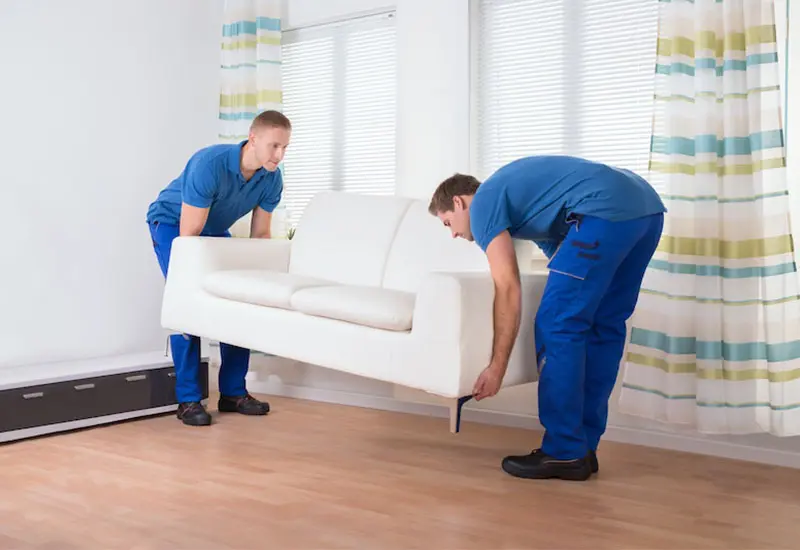
Empty the room of all furniture, decor and personal belongings. Check closets and remove anything hanging from the door handle down, as installers require unobstructed access to every inch of flooring. Utilize a storage room, garage, or covered space for holding.
For big immovable stuff, shield it with plastic sheeting or dust covers. Are all pathways in hallways or entryways clear? This allows installers to get their units moving immediately.
If installation will disrupt your kitchens or other high-traffic spaces, think ahead for meals or eat out for a day or two. Drape sheets or drop cloths over items in adjacent rooms to minimize dust migration.
If you can, relocate pets and young kids to another area of the home.
2. Remove Old Flooring
Carefully remove old flooring, adhering to local waste regulations for disposal or recycling. If your home was constructed prior to 1986, your vinyl flooring could be a source of asbestos, so have it removed by a professional.
Be very careful not to scar the subfloor below. Once that’s pulled up, record the old flooring’s condition. Pictures or notes will come in handy if you get questioned after the fact.
If your local area has recycling facilities, recycle to reduce landfill waste.
3. Inspect the Subfloor
Inspect the subfloor to identify any cracks, warping, or other damage. Check for damp patches or mold. These need to be addressed before installing new floors.
Clean the surface well to remove dirt or debris. Measure the floor height to ensure the new material matches up with thresholds or doorways. An even, dry, and clean subfloor keeps issues from haunting your new floor.
4. Repair and Level
Tackle any obvious subfloor problems now. Small cracks can be patched. Larger areas might have to be replaced. Get a nice leveling compound and make it level.
Wait until all patching or leveling compounds are completely dry. For repairs or structural issues, consult an expert to help you avoid future problems.
5. Acclimate New Materials
Flooring, particularly wood, requires time to acclimate to your home’s climate and moisture levels. Leave it in the room for 48 hours, in the original packaging. Monitor temperature and humidity while sticking to manufacturers’ instructions for optimal effects.
If your new flooring requires additional breathing room to acclimate, schedule delivery a few days early. This prevents it from warping or expanding down the line.
6. Plan for Trim
Select trim and baseboards to match the style of your new flooring. Measure doorways and transitions for the perfect fit. Remove your previous trim carefully so you can either reuse or replace it cleanly.
Make a note to do the final trim work once the new floors are in. This step gives your room a polished appearance.
Subfloor Assessment
Subfloor evaluation is a critical step when prepping your home for floors. It identifies damage, tests stability and determines if the subfloor is adequate for new finishes. Whether you have wood, concrete or something else as a subfloor, a careful look is necessary to identify any lurking problems.
Experts typically employ both their eyes and specialized instruments to detect trouble areas. Skipping or skimping on this step can lead to long-term headaches, so a thorough check accompanied by a clean surface is always the way to go. Capturing every observation, no matter how hidden, directs installers and prevents expensive surprises down the line.
Damage Signs
|
Sign of Damage |
Description |
Potential Actions |
|---|---|---|
|
Cracks |
Visible gaps or splits in wood or concrete |
Fill or repair before installing |
|
Soft Spots |
Areas that sink underfoot |
Replace damaged subfloor sections |
|
Mold or Staining |
Discoloration, musty smell in wood or concrete |
Treat or replace, fix source |
|
Warping/Bowing |
Uneven, raised, or bent subfloor panels |
Level, replace warped sections |
Shifts or squeaks when walking on the floor are typically indicative of loose boards or nails. If they’re not fixed, these problems can make floors shift or squeak after they are installed.
Notice pest indicators, such as tunnels, droppings, or damaged wood, to act quickly. Infestations damage the subfloor and can require professional assistance to address.
Bumps and dips are par for the course, particularly in older homes. Take a long level or straightedge and determine if there are any dips or high spots that need to be addressed.
Leveling Methods
-
Self-leveling compound: Works well for concrete or minor dips in wood subfloors.
-
Patching compounds: For smaller cracks or holes in wood or concrete.
-
Shimming: Insert shims under subfloor panels to correct minor unevenness in wood bases.
-
Grinding: Remove high spots in concrete using a grinder.
-
Sanding: Smooth raised wood areas with a floor sander.
Small surface irregularities can be addressed with self-leveling compounds. They assist in forming an even foundation for several floor coverings.
For big or tricky leveling projects, bringing in a pro is a wise decision. Expert craftsmen manage structural repairs and nail the surface.
As always, follow the manufacturer’s instructions for any leveling product. This prevents bond failures and ensures the longevity of the new floor.
Moisture Testing
Before beginning any work, test your subfloor’s moisture. Dampness can ruin new floors, particularly wood or laminate.
A moisture meter provides a dependable measurement. Verify that the numbers align with what the flooring manufacturer states is safe.
If you detect excess moisture, repair that first. This might involve drying it out, sealing cracks, or even installing a vapor barrier.
Flooring specialists can consult on barriers for high-moisture areas. Nailing this sets your new floors up to endure and keeps swelling, warping, or mold at bay.
Project Containment
Project containment helps prevent dust and debris from migrating elsewhere as new floors get installed, helping keep the rest of your home clean and safe. If you create containment barriers and staging areas, you can minimize life disruption and maintain a healthy environment in your home.
This translates to isolating work spaces, safeguarding assets, and strategically deciding where to bunk down on larger projects.
Dust Control
Dust control is among the most critical steps for any flooring project. Air scrubbers or vacuum systems can be used while workers cut or sand to help keep airborne dust low.
Seal off all vents and ducts in the project room with plastic or tape to prevent dust from circulating through your heating or cooling system. It’s wise to clean the installation area at the end of each day, wipe down all surfaces, and vacuum the floors if you can to keep dust from accumulating.
Ensure installers possess the appropriate equipment to cut, sand, or remove flooring while minimizing airborne dust.
Protecting Furnishings
Cover any furniture left in or near the installation zone with heavy plastic sheeting or drop cloths. Anything breakable or valuable should be relocated to another room or stored offsite if it can be, reducing the chance of damage.
For non-movable items, provide double protection and inform your installers which pieces require extra care. Highlight antiques, electronics, or large art. Remembering these steps will save you a lot of grief and cleanup when the project finally concludes.
Ventilation
Good ventilation in the work area is essential. Ventilate by opening windows and doors to dispel dust and any glue or finishing fumes.
Install fans to circulate fresh air and cut down on dampness. Watch what the air quality is as you work. If you smell something or it’s really dusty, do something about it or have the installers come back!
Good ventilation protects everyone—employees, family, and pets.
Beyond the Floor
Floors impact more than a single room. Dust, noise and moving furniture impact everyday life in adjacent spaces. A difference of 6mm, that small change in floor height, could prevent doors from closing properly or impact trim or baseboards.
Homeowners are practical; they want to finish painting, staining, or electrical work before floors get installed. Clearing out furniture ahead of time or engaging movers makes work go faster and protects against damage. Some floors, like certain vinyl floors from pre-1986 homes, can contain asbestos, so be sure to check and budget for safe removal if necessary.
Floors have to sit in the house for 2-4 days, acclimating to humidity and temperature, so they last longer. These additional efforts go a long way in minimizing stress and making sure new floors lay great and wear fine for years to come.
Waste Disposal
-
Trash takers.
-
Tear up old flooring, underlayment and packaging.
-
Detect dangerous substances like asbestos or glue and dispose of them properly.
-
Designate an area for debris collection.
-
Organize for regular disposal or containment to prevent mess and danger.
-
Verify what goes where and how to recycle or landfill each type of waste.
Read local waste laws before dumping. Most locations have regulations for construction debris, and incorrect disposal can result in fines. For larger efforts, dumpster rental can save time and keep things tidy.
Recycling for wood, metal, and certain plastics may be accessible as well, which reduces waste and leaves a softer environmental footprint.
Project Timeline
|
Phase |
Task |
Estimated Days |
|---|---|---|
|
Preparation |
Clear space, remove old flooring |
1–2 |
|
Acclimation |
Let new materials adjust to environment |
2–4 |
|
Installation |
Lay new flooring, trim, finishes |
2–5 |
|
Cleanup & Inspection |
Remove waste, check quality |
1 |
Share the schedule with all employees and occupants. It keeps everyone in the loop as to what to expect. Of course, it’s smart to schedule for holdups like weather or shipping problems.
Monitor advancement and be prepared to adjust if something unforeseen emerges.
Code Compliance
-
Do’s:
-
Check local building codes before starting work.
-
Obtain all necessary permits.
-
Hire licensed professionals for gas, electric, or structural modifications.
-
Maintain approval and inspection records.
-
-
Don’ts:
-
Don’t skip permit applications.
-
Don’t dismiss tips from licensed specialists.
-
Don’t forget about protective equipment.
-
Don’t throw away compliance paperwork.
-
Permits are more than just formalities. They demonstrate that the work complies with safety and quality standards. Engage installers or inspectors early to address any issues and preserve all paperwork for later requirements.
The Human Element
Flooring installation isn’t just a technical undertaking. It transforms the way a home functions and feels. It can throw off schedules, affect convenience, and demand careful organization. From pushing couches to keeping quiet, each move has to consider the demands of all household members.
Lifestyle Impact
Putting in new floors involves pondering how life will be different, even temporarily. High-traffic zones such as the kitchen or entryways might need to be off limits, so it’s beneficial to plan some meal prep or prep convenient access to key spaces. Some people even shift their own furniture to save dollars, particularly with hourly installation rates.
Removing everything, both small clutter and big furniture, allows installers to operate swiftly and with maximum safety, minimizing the potential for delays. Different floors present different advantages and obstacles. Hardwood, for instance, can add a room’s visual warmth yet require frequent maintenance or special care.
Tiles hold up well and are great for high spill areas like kitchens or bathrooms. Carpet is soft and welcoming, but not so much for allergy sufferers’ homes. Comfort and safety are important. New floors, for instance, can eliminate tripping hazards and assist with footing or insulation.
Discussing these transformations with the whole family at home – kiddos, grown-ups, and beyond – serves to make sure the new floor suits everyone’s desires and requirements.
Pet Considerations
Pets tend to react to noise and change with stress, so it should be planned. Create a pet safe zone outside the work zone where Fido can remain cool and secure. This might be a shut door bedroom or a comfort zone with toys and a blanket.
Choose scratch-resistant and easy-to-clean flooring, like vinyl or premium quality laminate. These choices restrict concern for harm from paws or dribbles. Be mindful of tools, glues, or other chemicals that may be left on-site, which can be harmful if your furry friends roam over.
Inform installers about pets ahead of time. This assists them in working with doors closed and minimizes the likelihood that a critter runs out or gets injured during the gig.
Future-Proofing
Floors are a commitment, more than just the here and now. Materials such as stone or engineered wood provide longevity and maintain their appearance for years while complementing evolving styles. Others such as wide planks or neutral colors hold their appeal a little longer.
Trends come and go, good decisions remain sensible. Discuss maintenance with flooring professionals, for example, typical cleaning schedules or when a floor might require refinishing. Maintenance Planning – Your new floor will easily make it through day-to-day life and even future fluctuations in your home.
Installation Day
Installation day is where the rubber hits the road. Being prepared makes the work fly, keeps stress minimal, and gives the new floors a great foundation! It’s a day for the homeowner to hang in there, assist with minor needs, and poke in to see how things are going as the work continues.

Installer Access
Strike quick and strike without hesitation. Shift furniture, rugs, and personal items out of any hallways and rooms where floors are going to be installed. For houses with small doorways or stairs, open the path well in advance of our crew’s arrival.
For apartments or buildings with secured entrances, provide keycards or entry codes to the install crew. This saves time and keeps the project on schedule.
Speak to the crew pre-installation. Share any building rules, pet worries, or parking situations. Walk the team through the home if necessary, highlight tucked-back spaces, and describe what is most important to you, such as closed doors or certain outlets being used.
Good light aids the crew to work more efficiently. If the room is dark, put in additional lamps or open blinds. Spend a few moments scouting loose wires, slippery places, or any sharp objects on the floor. These little checks prevent disasters and postponements.
Final Walk-Through
A final walk-through is essential. Installation day – get a tour before the crew packs up with the lead installer as he inspects each room. Be on the lookout for seams, gaps, or color shifts.
Don’t forget to open closets and look in corners – they’re so small they can be easily overlooked. If you see an issue, request a solution immediately.
Walk through care instructions. Find out how long to stay off new floors. Wood and tile floors generally need a day or two. New carpet usually needs a full day.
Receive cleaning advice and what you should avoid, such as strong soaps or pulling heavy furniture. Installation Day – Make sure every piece of work you committed to is complete before closing the book.
Post-Installation Care
Installation Day – First days count for new floors. Follow the care guide from the manufacturer. Sweep or mop with what is safe for the floor type.
Schedule regular cleanings to maintain floors in prime condition and inspect every so often for any swelling, cracks, or loose floorboards. Repair problems quickly to prevent complications.
If you have to stay out of rooms or crash somewhere else for a night or two then prepare accordingly. Food might be simpler to prep ahead or get delivered because kitchens could be out of bounds.
A few days later, give feedback to the crew or company. It helps them and can solve any last details that pop up.
Conclusion
Get your home ready for new floors with a plan and smart moves. Clear out rooms, check the subfloor, and keep dust in check. Discuss with your installer to understand what to anticipate. Be mindful of adjustments through relocating pets or creating a safe route around the workspace. These easy preparation tips reduce stress and make the process run more smoothly. Most people discover that it’s the little things, like moving small stuff in advance or taping off vents, that really matter. Post your own tips or questions below. Your real-world stories inspire others to get set for their own projects. Prepared to step into something new? Jump into the discussion and exchange tips with the community.
Frequently Asked Questions
What should I remove from the room before new floor installation?
Remove all furniture, rugs, and personal belongings. Take down wall hangings and fragile objects to avoid damage and ensure installators have full access to the space.
Why is subfloor assessment important before installing new floors?
A subfloor inspection looks for damage, moisture, and unevenness. Tackling problems beforehand guarantees your new floors will wear longer and shine brighter.
How can I contain dust and debris during floor installation?
Seal doorways with plastic sheeting and cover vents. This way you can keep the dust and debris from migrating throughout your home during the project.
Do I need to disconnect appliances before installation?
Yes, pull out and unplug refrigerators and washing machines. It protects against accidental damage and provides installers a defined workspace.
How should I prepare my family and pets for installation day?
Schedule for noise and some areas will be inaccessible. For safety reasons and to help the installers work efficiently, keep pets and children out of the work zone.
Will the installers move my furniture?
Majority of installation crews will ask you to move your furniture beforehand. Consult your flooring contractor about their policy and moving services.
What should I expect on installation day?
Anticipate noise and dust. Installers will be in your home for a few hours or days based on floor size. Make sure the space is accessible and adhere to any safety instructions provided.