
Key Takeaways
-
Prepare for installation day by clearing the workspace, confirming the installation schedule, and organizing all necessary materials and tools.
-
Clear the floors of furniture, shield whatever is left, and carve out a ‘safe haven’ for your furry friends and little ones.
-
Be up front with installers on your plan, how much material you have, and any special requests so that there are no surprises.
-
Be aware of the temperature and humidity as these can affect the installation and durability of your floor.
-
Anticipate noise, dust, and commotion, and contain wreckage with dust control and debris removal.
-
Have a last look with your installers and follow these care and maintenance steps to keep your new floors looking fresh.
Flooring installation day means crews will be shifting furniture, prepping the room, and actually beginning to lay down new floors. Anticipate noise, dust, and temporary space alters during the work.
Installers get to work with their tools and glue or nails depending on the floor type. Most projects take one or two days, but larger areas might require additional time.
Understanding each phase can assist in maintaining a seamless experience and reduce stress as the installation progresses.
Pre-Installation Checklist
Flooring install day goes easier if you prep in advance. This checklist addresses pragmatic measures to make the work fast and reduce the chance of issues. Prep your spaces to minimize install time and stress.
Clear The Space
-
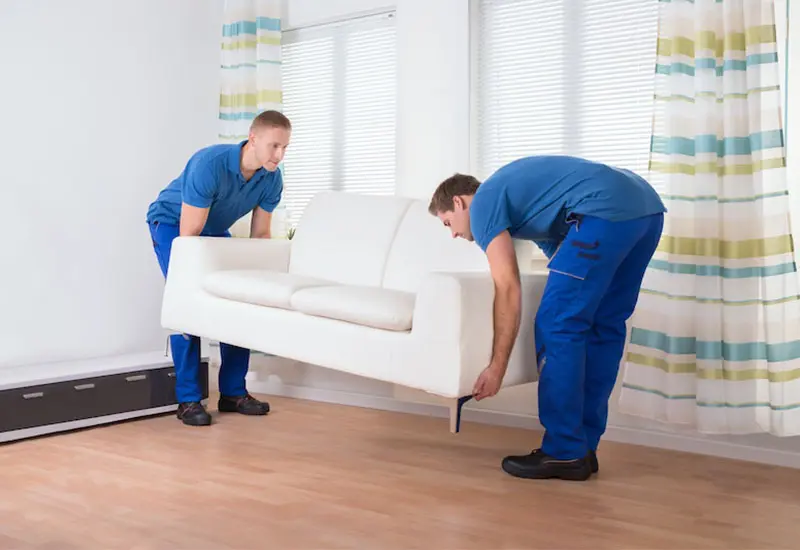
Remove all furniture, including heavy furniture, from each room where new floors are installed. Remove smaller items as well, including rugs, lamps, and electronics. Don’t forget wall décor or fragile displays that could get in the way.
Select a secure location in your home to stash these. Closets, garages, or a spare room are perfect if you need to keep things out of the main areas. Protect any furniture that has to remain with heavy blankets or plastic sheets to guard against dust and scratches.
Ensure that every hall and doorway along the path to install space is unobstructed. If installers can walk without stumbling on bags or boxes, they work more quickly and safely. Take a walk through the route yourself to identify any potential hazards.
Plan For Pets
Prepare a closed room or separate space for your pets. Keep them out of the work zone to prevent stress and accidents. Dogs and cats can get nervous with unfamiliar sounds and visitors at the house, so a quiet room with their bed, toys, and water helps.
Inform your installer if you have pets residing in your house. This allows the team to skip open doors or noisy steps that could frighten your pets. If you anticipate a lengthy installation, consider pet day care or recruit a friend.
A few owners established a doggie play area in the yard or garage. Ensure it is secure and has shade, water, and comfort accessories.
Confirm The Details
Review the install plan with your floor dealer. This includes confirming the start time, address, and the day’s steps. The installer usually calls the night before and works out all the details.
Check your order. Pre-Installation Checklist: Count the boxes or rolls of material and cross-check against your invoice. If you’re doing a special install method, such as herringbone for wood or seamless vinyl, note any modifications or requests.
-
Review if the job requires glue-down, floating, or nail-down installation.
-
Flag rooms that may require additional preparation because of previous flooring or challenging layouts.
-
Inform your installer if you’ve got last-minute or tight timelines.
Inquire about payment, warranty, and who to reach for problems.
Adjust The Climate
Pre-Condition your home for a minimum of 72 hours prior, during, and post install. Maintain a temperature of 18°C (65°F) or higher. Consistent warmth assists floors in adapting and settling, reducing the possibility of separation or warping.
Mind humidity. Most floors require 35 to 65 percent relative humidity to prevent swelling or shrinking. Don’t forget to run a humidifier or dehumidifier if necessary. Close windows to prevent drafts.
If you just poured new concrete, give it at least 20 days to dry before installing floors. It’s a lot easier and safer for ceiling work and fire system checks to wrap up first so nothing wrecks your new floors down the line.
-
Flooring materials: planks, tiles, rolls
-
Underlayment or padding
-
Adhesives, if needed
-
Leveling compound for dips or cracks
-
Moisture barrier (plastic sheeting)
-
Saws, cutters, and measuring tape
-
Safety gear (gloves, masks)
-
Cleaning supplies (broom, vacuum)
The Installation Day
Your flooring installation day or days are hectic, with installers showing up promptly and eager to get started. You can anticipate your house to be in motion, with tools, materials, and crew buzzing around. Noise, dust, and foot traffic abound. For your own protection, keep children and pets out of the work zone. Being available assists in answering questions or providing entry to storage and service locations. Just expect your day to be different during the process.
1. The Arrival
Installers will arrive early and confirm the plan with you. They could inquire about relocating furniture or require access to storage where flooring resides. Once inside, they measure the space, inspect the subfloor, and take note of any last minute changes. Occasionally, the installers need to discuss your pattern or layout options. Hang around in case they have queries about your tastes or last minute glitches.
2. The Walk-Through
Walk it with the crew. Identify potential issues such as scratches or cracks or elements such as floor vents that could require additional attention. If you have different floor types meeting, like tile meeting hardwood, talk about how these meet for a seamless appearance. Be certain that you and the installers are on the same page with respect to the final layout and orientation before they begin.
3. The Preparation
Installers prepare the subfloor by inspecting for dips, cracks, or damp spots. They could sand, patch, or level it to make sure it’s flat. Old flooring is ripped out and repairs are done if necessary. Materials are fitted and inspected for quality. Sometimes doors or baseboards need trimming.
The installation day crew is mindful of room temperature, maintaining it between 18–24°C (65–75°F) for a minimum of 48 hours before and during installation to acclimatize the new flooring.
4. The Installation
As the flooring goes down, installers methodically place and secure each piece so it lines up nicely. In those oddly-shaped rooms and corners, they take careful cuts and adjustments. You might catch them stopping to inspect levels and seams for a sleek seal. The amount of time required can differ—one room may take only one day, whereas an entire home may take a few days.
5. The Finishing
Final touches such as trim, moldings, and transition pieces between rooms are completed. Baseboards can be adjusted or reinstalled. The installers go over every edge and seam to give it a finished look. Inquire if you should do anything special to protect your new floors, like waiting to move in furniture or maintaining a consistent temperature as the floors cure.
6. The Clean-Up
Installation day, we clean up, scrap leftovers, vacuum everything. Tools and equipment are stowed. Make sure there are no nails or sharp pieces hanging around.
TIP #5 – INSTALLATION DAY Check with the crew for cleaning tips on your floor type; some require delicate care immediately after installation.
7. The Final Review
Jump in with the crew for one last inspection of the installed floors. Inspect for holes, uneven boards, or scratches that require patching. Inquire about maintenance, cleaning, and when you can walk on or move furniture onto the new floors. Be sure you are happy with the final product before the installers walk out the door.
Managing The Mess
Flooring day is NEVER clean. We will have dust and noise and workers in and out. It’s fine if your daily schedule is thrown out the window and rooms in your house become quarantined for hours or even days. Sure, the mess is in the mix, but a good plan keeps it in check.
Establishing an installer’s zone, communicating your requirements, and scheduling a complete clean-up help make the experience more manageable for all at home.
Dust Control
Dust needs to be expected with flooring installation, regardless if it’s wood, tile, or laminate. Shutting doors to rooms you’re not working in prevents the dust from spreading. Something as simple as taping plastic sheeting over vents and open spaces helps to prevent dust from entering your HVAC system or other rooms.
Air purifiers are great for catching those airborne particles if you have one around. Inquire with your installers about their dust management techniques. A few crews come equipped with vacuums and dust barriers. Others may sweep along the way.
If you’re concerned about allergies or have delicate electronics in the vicinity, inform them prior to commencing. Once the grind is complete, a deep clean goes a long way. This could range from a vacuum and surface wipe down to scheduling an annual spring clean with the pros.
Debris Removal
Flooring gigs generate a shocking amount of garbage, including old boards, carpet flaps and nails, and boxes. Before work begins, discuss who cleans up these remnants. While most installers include debris removal in their quote, not all do.
Be clear that you want all old flooring and trash hauled away, not piled outside or in the entryway. If you’re tackling a big space, you might require a skip bin or additional pickups. Regardless of the project’s scale, the floor should be clear of any sharp items or large chunks that could cause injury.
If you have pets or kids, give the area a quick once over before allowing them back in.
Home Protection
Floors aren’t the only thing in jeopardy. Dust and tools will scratch your furniture, nick your baseboards, or scuff your walls. Protect couches and tables around your work area with sheets or plastic. Drop cloths are for the big stuff, and plastic sheeting can protect smaller spots.
Request installers to be careful when dragging or lifting anything heavy, particularly around tight spaces. Close all doors to any rooms you are not working in! Secure all access points to the space, and tape soft padding to corners or trim if you’re concerned about bumps.
If your climate is humid or dry, maintain consistent temperatures. Flooring generally requires stable conditions to settle properly.
Unseen Challenges
Flooring day may seem simple. A lot can arise out of nowhere. Subfloor issues, shortages, and environmental concerns can all play a role. Recognizing these challenges and how to deal with them keeps your project on course.
The table below covers some common problems, solutions, and what they might mean for your installation:
|
Challenge |
Solution |
Implication |
|---|---|---|
|
Uneven subfloor |
Repair or level subfloor before installing |
Adds time, ensures long-term performance |
|
Material shortage |
Use backup materials, adjust schedule |
May delay project, need to adapt choice |
|
High humidity |
Use dehumidifier, wait for ideal conditions |
Prevents warping, protects new flooring |
|
Temperature swings |
Keep temperature steady (15.5–26.6°C) |
Reduces risk of damage or gaps |
| Hidden damage | Address and repair immediately | Can escalate costs and timeline | | Dust and noise | Brace, employ firewalls, air out | Disturbs household and gets simpler after day one |
Subfloor Surprises
Subfloor problems are common and typically don’t appear until the old flooring is removed. Even if your house sounds good, installers will discover depressions, cracks, or water damage that need repair. You have to address these issues before new flooring is installed or you risk defects appearing down the road.
If there’s slight damage, consult your installer. An unseen challenge sometimes arises. Sometimes, a patch or leveling compound is all you need. Other times, sections must be swapped out. Repair can extend the timeline, but neglecting them will reduce the lifespan of your floors.
Carefully constructed subfloors give new flooring a chance to last longer, be flatter, and look better. Take, for instance, uneven subfloors — they can cause boards to separate or tiles to crack. Early repair is crucial. Never talk about your subfloor affecting your floor’s lasting power and appearance until you’re quoting the job.
Material Shortages
Shortages of flooring are more prevalent than people think. Delivery or supply delays can stall work for days or weeks. Confirm with your installer the installation material status in advance.
If a delay does occur, discuss contingency plans. This might be choosing a comparable product, modifying the color, or modifying the timeline. Flexibility is the name of the game. You can substitute a combination of inventory or go with an alternate supplier if your first option isn’t in stock.
Be open to possibilities. Switching to a different product might feel like a defeat. At least it keeps your project chugging along and avoids extended pauses.
Environmental Factors
Temperature and humidity play a big part in flooring installation. If the air is too moist or dry, wood can swell or contract. Maintaining a stable temperature between 18 and 24 degrees Celsius and a consistent humidity level assists materials in settling nicely.
Prior to installation, allow new flooring to acclimate to your home’s environment for a minimum of 48 hours. This helps eliminate warping and gaps post-installation. If work coincides with extreme weather, inquire with your installer about rescheduling.
Noise, dust and foot traffic can turn your home into a war zone. Kids and pets ought to avoid it. Dust settles after that initial day, but a little shake-up is natural.
The Installer’s Perspective
Flooring installation day is the culmination of a process that begins with planning, preparation, and communication. Installers bring a mix of skill and experience, but a sleek result in all cases comes down to cooperation between the homeowner and the specialists. From their point of view, the installer’s perspective emphasizes what steps, challenges, and best practices define a good installation.
Communication
Installers depend on straightforward and continuous communication before and during the project. They verify the installation date, confirm the floor choice, and discuss prep information with homeowners in the days leading up to the work. This scheduling avoids confusion and gives everyone a clear expectation.
Transparency about your requirements and concerns is crucial. In case of special requests or preferences, it is helpful to hear about them early. Homeowners who inquire about what we are doing become informed at each step and feel more comfortable.
Installers like comments. If something doesn’t look right or you want a little tweak, say it while they are working. This gives the team the opportunity to fine-tune and provide the outcome you desire.
Workspace
A neat, uncluttered work area enables installers to get their job done quicker and with more quality. Prior to the installation team’s arrival, clear furniture and personal belongings out of the space where the floor will be located. Installers will request access to power or water if their tools require it.
Any debris gets in the way and impedes progress. Having pets and kids out of the way is not only safety-related—it means the crew can do their job. A little dust, a little noise, a lot of foot traffic – it’s all part of installation day, so prepare for some disturbance.
Respect their craft by letting them work. The cleaner your work area, the easier the installation.
Your Presence
There’s something to having the installer there. From the installer’s perspective, it allows you to monitor progress, address questions, and make decisions quickly if options arise. Installers might require your feedback, particularly if they encounter unforeseen subfloor problems, such as dampness or irregularities.
They tend to check for dips or cracks and will patch, sand, or level the area prior to laying planks. It’s nice to get involved and see how the team works. You don’t have to hover. A good-natured calm attitude sustains a working atmosphere.
Post-install, the new floor requires a day or two to settle. Hold off on heavy traffic until the finish sets.

Post-Installation Care
Once your flooring is installed, it requires a little TLC to keep it healthy and looking great. The initial days are crucial for your floors to settle and for the finish to harden. Here’s what you can do to take care of your new floors and keep them looking great for years to come.
-
Wait before walking: Avoid heavy foot traffic on your new floors for at least 24 to 48 hours after installation. This allows the finish time to cure and aids in avoiding premature scuffs or dings. Certain flooring, such as vinyl, may allow you to walk on it sooner, but hardwood or tile typically require additional time. For post-installation care, always check with your installer to see when it is safe.
-
Keep your home’s climate steady. Your new floors will settle in the next 24 to 72 hours. Maintain an indoor temperature from 60 to 80 degrees Fahrenheit (16 to 27 degrees Celsius) for optimal results. This keeps it from cracking, gapping, or shifting, something that may occur if it becomes too cold or hot. If you live somewhere with large temperature fluctuations, a fan or heater can help even things out.
-
Clean with care: After installation, there may be dust left behind. There will be less dust until the second day, but it’s a smart move to sweep or vacuum lightly. Follow the cleaning recommendations and products your installer recommends, as some cleaners can damage certain floors. For instance, excess water wreaks havoc on wood, and aggressive chemicals can strip the sheen from laminate or tile.
-
Clean up spills quickly and don’t slide sharp or heavy objects across the floor.
-
Look for problems: Check your new floors for any issues, like gaps, uneven spots, or marks. Little problems can be waived away with a fast fix, but if you spot something major, call a pro. It is easier to repair things sooner rather than later.
-
Keep it up: Plan for regular checks and cleaning to catch wear and tear early. Busy areas may require additional cleaning or mats. A daily quick sweep and a weekly or monthly deep clean will extend the life of your floors.
-
Make it yours: Once your floors are ready, add rugs or furniture to fit your space and style. Your new floors are designed to be lived on, so don’t hesitate to have at them and live your life!
Conclusion
Flooring install day has a lot to look at and listen to. They come and go. Due to flooring installation day, tools buzz. Your room transforms rapidly. Some dust drifts. Little snags might pop up, such as a squeaky plank or sticking door. Typically, crews are conscientious and look for those little things to come back and fix before they’re gone. Immediate post-job steps make floors last longer. To maximize your new floor, be inquisitive, inspect the job, and follow care advice. If you want tranquility, commune with your crew before the day. Just knowing what to expect can make the whole thing less stressful and smoother. For additional advice or assistance, contact your installer or consult reputable home resources.
Frequently Asked Questions
How long does flooring installation usually take?
Flooring installation typically lasts one to three days, depending on the room size and flooring type. More intricate patterns or larger areas might take longer.
Should I move my furniture before the installers arrive?
Yep, clear of all furniture and personal effects. This keeps installers working and protects your stuff!
Will there be dust and noise during installation?
Yes, anticipate dust and noise. Installers operate tools that are noisy and cutting materials causes dust. Protect surrounding belongings and plan on making yourself scarce elsewhere if you’re noise sensitive.
Can I walk on the new floor right away?
Well, that depends on the flooring. Some floors, such as laminate or vinyl, you can walk on right away. Others, like glue-down hardwood, may require as much as 24 hours.
What if the installers find unexpected problems?
Installers can find unseen problems such as an uneven subfloor or moisture. They will notify you and discuss options. This could impact the schedule and price.
How should I care for my new floors after installation?
Sweep or vacuum frequently and clean with manufacturer recommended products. Put mats at the entryways to minimize dirt and use protective pads under furniture.
Do I need to be home during flooring installation?
It’s very helpful to be home at the beginning and completion of the process to answer questions and inspect the work. You can be out of the way for most of the installation.