Key Takeaways

  • Consider your lifestyle, the activity levels of your household and the specific needs of each room to help you pick flooring that suits daily use and your long-term plans.

  • Think about moisture, climate, and wear and tear for every room in your house and pick the appropriate flooring type.

  • Have a budget, inclusive of installation. Look at various types of flooring to get the most value.

  • Test the look, color, and texture of flooring samples under your home lighting to make sure they fit your décor.

  • Know what it takes to install — professionally or DIY — and get your home ready for a hassle free project.

  • As you finalize your flooring choice, keep foremost in mind durability, maintenance, comfort, and indoor air quality for enduring happiness.

Questions to ask before buying new flooring assist buyers with smart, cost-effective decisions that stand the test of time.

Key subjects to cover are durability, maintenance, price, and appropriateness for the room. Understanding floor types, warranty conditions, and how floors are installed can minimize unexpected surprises down the road.

To select the ideal floor, concentrate on everyday demands, lifestyle, and maintenance requirements of each. The following part poses useful buyer questions.

Your Flooring Questions

There are no easy answers to selecting new flooring. How you live, what rooms they’re in, your budget and design preferences all factor in. Everything influences what your floor will work for and how long it will survive. The questions below help demystify what counts before you buy.

1. Lifestyle

Energetic homes require robust floors. Seek out hardwearing options if your family is on the move, such as tiles in ‘zones’ or vinyl for quick dirt wipe-ups. Pet owners might desire scratch-resistant surfaces, whereas families with little ones might appreciate floors that soften falls or spills, such as cork or carpet tiles.

If you have limited time for maintenance, gravitate toward floor coverings that conceal dirt and require less care. Laminate and luxury vinyl fit this bill.

Consider your future as well. For example, if you’re moving soon, you may select a budget-friendly, neutral floor. If you’re planning on living there for years to come, put down something that improves with age, such as engineered wood.

2. Location

Moisture levels pretty much determine rooms such as bathrooms or kitchens. Instead, opt for water-resistant flooring like ceramic tile or vinyl planks in these high-impact areas. Wood floors can last longer in dry climates, but in humid regions, they could swell or warp.

Entryways and hallways can require tough, easy-to-clean surfaces. Porcelain or stone tiles work great here.

Type of subfloor is important. Certain floors require a flat, stable base, so always verify if your selected material is compatible with your subfloor.

3. Budget

Establish your budget upfront. It allows you to concentrate on what you can afford. Be sure to factor in materials and installation. Some floors, like hardwood, are more expensive to install, while laminate or click-lock vinyl flooring is typically less expensive to install.

Don’t forget extras: underlay, trims, or removal of old flooring. If it’s a large project, check with your supplier for payment plans or financing.

Cost compares to find the best value option for your needs.

4. Aesthetics

Colors and textures define the mood of a room. Light colors open a room, while dark colors provide coziness. Textured finishes, such as hand-scraped wood or patterned tiles, add depth.

Take samples home to check them in your light. Your Flooring Questions — Match flooring style to your décor. Contemporary spaces may work well with wide planks in a matte finish. Classic homes may suit herringbone wood or elegant stone.

5. Installation

Determine if you want to DIY or hire assistance. Certain floors can be clicked together, while others require specialized equipment or expertise. Review the steps for each kind so you can organize prep work or dry times.

Adjust your timing so you don’t have major disruptions in your schedule. Clear rooms and allow installers access to every space. This speeds things along and makes things easier.

Material Breakdown

Floors are a significant investment and material choice will impact comfort, functionality, and budget for years. Each type has its own strengths and struggles. Understanding the material helps you choose what fits your life and space.

Material

Pros

Cons

Lifespan (years)

Maintenance

Sustainability

Hardwood

Durable, classic look, can refinish

Prone to dents, moisture, high cost

50–100+

Medium-High

Varies (renewable if sourced responsibly)

Laminate

Affordable, many styles, easy install

Not refinable, can chip or swell

15–25

Low

Often not biodegradable

Vinyl

Water-resistant, comfy, many patterns

Susceptible to dents, synthetic material

10–25

Low

Some recyclable options

Tile

Very durable, water-resistant, wide range

Cold underfoot, grout upkeep, may crack

40–50+

Medium

Can be sustainable (natural clay)

Carpet

Soft, warm, many textures and colors

Stains, traps dust, shorter lifespan

5–15

High

Difficult to recycle

Hardwood

Solid hardwood is one piece of solid wood, whereas engineered hardwood features a thin top layer of real wood on a plywood foundation. Engineered wood is less prone to moisture warping and can’t be sanded and refinished as many times as solid hardwood.

Both should be swept regularly and spills cleaned up quickly to prevent staining or water damage. Regular refinishing can revive solid hardwood enough to make it last half a century or longer. Engineered alternatives can last 20 to 40 years if well maintained.

Hardwood adds warmth and a natural aesthetic that complements both classic and contemporary decor.

Laminate

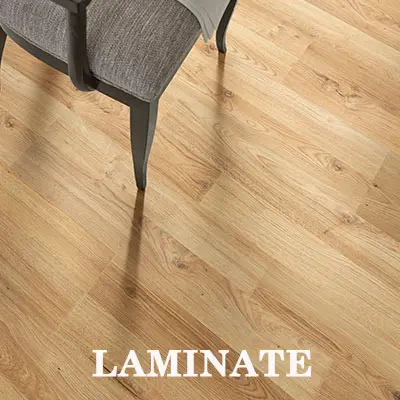
Laminate is cheaper than hardwood and pretty much anyone can install it without professional assistance. The surface wear layer resists the majority of scratches and stains.

When it is worn through, it cannot be refinished. Most styles replicate wood or stone, providing plenty of aesthetic options. Laminate is fair with foot traffic and resistant to fading, but it is not ideal for bathrooms.

Moisture will swell or chip edges.

Vinyl

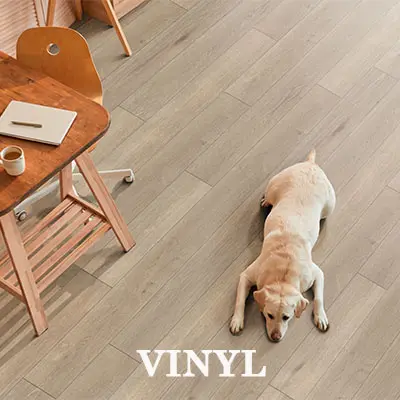
Luxury vinyl is cushioned and quiet with a hardy wear layer that repels most daily wear and tear. Maintenance is simple: sweep and mop.

It comes in wood-like planks or wood, stone, and abstract tiles. It fits kitchens, baths, and basements with water resistance. A few vinyls use recycled content, but not all are recyclable at the end of life.

Tile

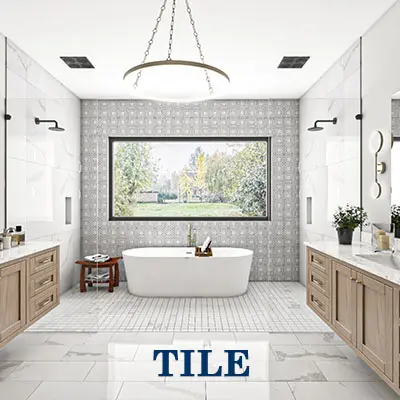
An important distinction between ceramic and porcelain tiles is their density and water absorption. Porcelain is denser, so it functions better in wet or outdoor environments.

Both are water and stain resistant and are a top choice for kitchens and baths. Tile can imitate wood and stone or bold designs. Grout lines require sealing and cleaning to remain fresh, but tile itself survives for decades.

Carpet

Carpet is just soft and warm to the touch, very nice for bedrooms and the living room. There are many colors and textures, from plush to low loop.

Material is important. Nylon and polyester last for years while wool is softer but more expensive. Stains and dust will be an issue, so anticipate vacuuming and deep cleaning.

High-traffic areas can wear out in five to fifteen years.

Durability Realities

Durability is where flooring happiness lives. For a bustling household, a peaceful office, or a spill and sun-soaked space, the durability realities question how does a floor hold up? This will prevent surprises and added expense down the road. The prime pick best balances a floor’s aesthetic, wear resistance, and compatibility with the everyday realities of the space.

Daily Wear

Different floors react in their own unique manner to the daily shove of feet, furnishings, or animals. Solid hardwood can last for 100 years when well maintained. It does dent and scratch, particularly in high traffic areas. Engineered hardwood takes a little better with dents and it resists daily scuffs. However, it cannot always be refinished, so deep marks can be permanent.

Laminate and luxury vinyl planks are durable picks for high-traffic households. Laminate is scratch-resistant and can last up to 25 years. It cannot be sanded once damaged. Luxury vinyl resists stains and dents, so it is practical in entryways or kitchens. Depending on thickness, it can last for 25 years. Bamboo flooring requires good maintenance but provides 25 years of service.

Tile is the champion here, enduring for as long as 50 years and hardly fading with time. High-traffic areas such as hallways, kitchens, or living rooms require floors that are simple to maintain and do not showcase every scuff. Hard floors like tile or luxury vinyl just need a broom and mop while hardwood may need a little extra TLC to maintain its appearance.

Moisture Impact

Some rooms experience more water or humidity than others, and this can rapidly alter what flooring will endure. Bathrooms, basements, and kitchens are moisture-prone areas. Tile, especially ceramic or porcelain, fares particularly well here as it is impervious to water and can be wiped clean. Engineered hardwood is more moisture resistant than its solid counterpart, rendering it a safer choice for kitchens or below-grade rooms, but it still should never be drenched.

Luxury vinyl and sheet vinyl perform well with spills and splashes, making them suitable for laundry areas. Laminate is more water-resistant than wood but still requires care to prevent seam swelling. In humid climates, a moisture barrier under the flooring is crucial for holding issues at bay. When well installed, with the edges sealed, it does not warp or bend over time.

Sunlight Exposure

Direct sunlight can bleach, fade or even warp certain flooring options. It’s a durability reality that wood floors, particularly darker woods, lighten with exposure to strong rays. Luxury vinyl and laminate tend to hold out better, with many brands now offering UV-resistant finishes so the color stays true. Tile won’t really change and bamboo will turn yellow in the sun.

UV-resistant coatings combat fading. Window treatments such as blinds or curtains provide additional defense for sun-drenched rooms with large windows. Other floors, like regular vinyl, can become brittle or fade if they’re not under shade. Testing a product’s reaction to light prior to purchase can maintain the floor’s ‘rightness’ for years.

Installation Process

Understanding how the installation process works allows you to make preparation and dodge standard bumps in the road. Each step, from subfloor prep to selecting the installer, can make a difference in how your floor looks, feels, and endures. Reflecting on these questions early can often help you avoid lost time, wasted money, and excess stress.

Subfloor Prep

Your subfloor is a big deal. Prior to installing any new floor, sweep and inspect for cracks, moisture, or unevenness. Little dips or bumps can become big headaches if unattended. Take, for instance, laminate or vinyl plank flooring. It requires a flat, solid base, or planks will move around or deteriorate quickly.

You’ve got to level and fix that subfloor. If you notice gaps, loose boards or crumbling areas, address them before any flooring is installed. A flat foundation prevents creaks, flex, and premature aging. For tile, even a subtle slope will cause cracking down the road.

Moisture will destroy a new floor, so test for it, especially on concrete. Excess moisture can make wood warp or grow mold under vinyl. Most installers like to use moisture meters to get a preliminary reading. If it is too wet, they tend to hold off or utilize a vapor barrier.

The correct underlayment can mean the difference. Cork or foam underlayments are perfect for laminate. Tile may need a cement board. Choose what fits your floor and space requirements, such as soundproofing mats in apartments or flats.

Professional vs. DIY

Hiring a pro tends to be less risky. They understand the tricks, have the proper tools, and can detect issues before they become expensive. Certain floors, such as patterned tile or herringbone wood, require finesse to lay down properly. Errors in this area really stand out and are expensive to repair.

DIY can save you money up front and spend your time and skills. If you’re DIY-inclined, easy floors such as click-lock vinyl or laminate could be achievable. If you don’t have tools or patience, you could be left with gaps, uneven seams or loose boards. Repairing these afterwards can be costly.

Weigh non-material costs. Tools, underlayment, and mistake waste all come into play with DIY. Pros cost more, but they usually warranty their work. Warranties may require professional installation, particularly for hardwood or stone.

Having the right equipment and knowing how to use it is crucial. Simple floors still require saws, spacers, and levels. Tile work requires cutters, thin-set, and grout floats. Penny pinching on your tools turns out cheap.

Timeline

A reasonable timeline that matches the job’s size and your daily schedule is essential. Prep time encompasses subfloor prep and delivery of materials and acclimation for wood floors. Hurrying causes you to screw up or break things.

Easy floors such as vinyl planks can be installed in 1 day. Tile or hardwood can take a few days, particularly if pattern work or drying time is required. Allow for drying or curing if you’re using any adhesives or finishes.

Installation process, delays, you name it. Weather, late shipments, or unexpected subfloor issues can add days or weeks. Plan for surprises.

Discuss the schedule with your installer. Request timelines and concrete moves so you understand what’s next.

Hidden Considerations

Not all floor questions are straightforward. Others lurk beneath the surface or manifest post-installation. By working through these hidden considerations, you’ll be able to make a more informed decision that suits your needs today and tomorrow.

Acoustics

Certain floors are noisier than others. Hard surfaces such as tile and laminate reflect sound, causing your rooms to feel loud. Carpet, cork, and certain vinyls absorb noise, which is helpful with bustling households or apartment complexes.

Add in underlayments, thin layers of foam or felt, and you can help block or dull noise, especially between floors. This is important if you live in a multi-story house or desire silent bedrooms. Acoustic ratings can assist you in comparing options.

For instance, a sound transmission class (STC) rating indicates how effective a floor is at blocking airborne sounds. If you desire a quiet room, seek out high M-rated flooring or attach sound absorbing underlay.

Material

Sound Absorption

Transmission

Common Use

Carpet

High

Low

Bedrooms, offices

Tile

Low

High

Kitchens, bathrooms

Laminate

Moderate

Moderate

Living areas

Hardwood

Low

High

Dining rooms

Cork

High

Low

Libraries, nurseries

Comfort

How a floor feels counts more than you think, particularly if you stand or walk a lot. Tile and stone are hard and cold. Wood does have some flex, but very little.

Cork and carpet are soft and warm to the touch, which is great for bedrooms or playrooms. If you live in a mild or cool climate, hard floors can be cold. Radiant heat or rugs can help, but it’s an additional expense.

A few floors require additional padding, like foam underlay for laminate, to prevent foot fatigue. Comfort comes from how a floor deals with heat or cold, so consider your local climate and how much time you spend barefoot.

Air Quality

Flooring can aid or harm indoor air. Some of them emit obnoxious odors or chemicals, particularly when they’re new. Search for floors labeled “low-VOC” (volatile organic compounds) because that means fewer toxins for your lungs.

This assists those with asthma or allergies. Carpet can act as a dust and pollen magnet, so it requires frequent vacuuming. Hard floors are simpler to maintain, but certain finishes and adhesives can contribute to indoor pollutants.

If you desire a green house, seek out natural substances such as solid wood, bamboo, or trusted linoleum.

Resale Value

Floors play a major role in buyer perception of your home. Wood and stone typically increase resale value and attract greater interest. In other regions, tile or luxury vinyl are equally common.

The right choice depends on local trends. Superior floors endure longer and wear better, assisting your home in maintaining its value. Maintaining your flooring makes a difference if you plan to sell down the road.

Tiny chips or stains may scare off buyers.

Long-Term Care

Flooring durability, safety and convenient maintenance are at the heart of long-term care. Every floor type requires its own maintenance schedule in order to maintain its appearance and performance, particularly in settings where safety, hygiene and comfort are a priority. They are about more than being a floor.

In long-term care, with the high foot and wheelchair traffic, floors are about helping form daily life for residents and staff alike.

Cleaning

All floors require different cleaning methods. Vinyl and rubber floors, such as those found in hospitals, require dry mopping every day and wet cleaning every week with pH-neutral cleaners. Wood floors do best with a damp mop, never soaked, and speedy cleanups to prevent warping.

Tile needs to be swept regularly and have the grout cleaned to prevent mold. Carpets catch everything, including dust and allergens, so several times a week vacuuming is a must, along with a deep clean every few months.

This is why the right cleaning products matter. Harsh chemicals can erode finishes or damage indoor air quality. Stick to manufacturer-approved cleaners. Microfiber mops and cloths, for instance, trap dust well enough to reduce or eliminate the use of harsh products and are safe for sensitive populations.

  • Vinyl: Sweep daily, mop weekly with mild detergent.

  • Tile: Sweep or vacuum, scrub grout monthly.

  • Wood: Dust mop regularly, use wood-friendly cleaner.

  • Carpet: Vacuum often, deep clean every quarter.

  • Rubber: Mop with pH-neutral solution, avoid solvents.

Seasonal cleaning is great for tackling problems like tracked-in mud from rainy days or spring pollen, both of which can be hard on finishes or stain floors.

Repairs

Flooring repairs get frequent around high-traffic areas. Vinyl can rip or dent, wood can scratch and tiles can crack. Routine exams can detect issues before they become serious.

Overlooking small repairs can result in larger problems, such as water damage or worse, creating a trip hazard.

Checklist for repair assessment:

  • Inspect for visible wear, cracks, or stains monthly.

  • Check seams and edges for lifting or gaps.

  • Test soft spots for hidden subfloor damage.

  • List needed repairs, from minor fixes to full replacement.

QUICK FIXES keeps floors safe and looking their very best. Quick patching of vinyl or changing a cracked tile is fall prevention, a big concern in care settings. Even a minor fix can enable floors to endure relentless pounding and maintain a soothing atmosphere.

Warranty

Warranties can help protect your investment. They typically protect against defects, wear, and occasionally, installation or maintenance for a predetermined amount of time. Check warranty terms, as some stipulate special cleaning regimens or only cover certain damage types.

A solid warranty can be comforting, particularly when floors constitute such a big chunk of care facility safety. Some warranties even have stain or moisture protection, which is key in multi-resident, heavy cleaning environments.

Compare brands and inquire about what is and is not covered before deciding. Not all warranties are created equal. Seek coverage tailored to your needs, such as heavy traffic, stain resistance, and repair assistance.

This can help prevent unexpected expenses and offer a bit of comfort, knowing your floors have a certain degree of insurance if something goes awry.

Conclusion

Choosing new flooring defines a space’s emotion and function for decades. Knowing what to ask allows you to identify the best fit — be it for bustling hallways, tranquil nooks, or open concept kitchens. Experience how each material responds to spills, steps or pets. Consider how much maintenance floors require over time, not just on day one. Make sure you ask about the work and cost to install it, and see if there are any fees you might overlook at first. Every step counts for style and function. To make sure you get the floor that works for your space, keep these questions close and chat with sellers with these in mind. Need additional advice or assistance with your decision? Contact for straightforward tips prior to purchase.

Frequently Asked Questions

What should I consider before choosing a flooring material?

Consider your lifestyle, foot traffic, moisture, and budget. Every material has its own advantages. Pair your purpose with the appropriate style for an enduring feeling of fulfillment.

How do I know if a flooring option is durable?

Inspect the manufacturer’s wear rating. Check out user reviews and inquire about lifespan. Scratch, dent, and moisture resistance are all signs of durable flooring.

Is professional installation necessary for new flooring?

Certain materials, such as tile or hardwood, need to be installed by an expert. Others, like laminate or vinyl, might be DIY-friendly. As always, keep complexity and warranty terms in mind.

Are there hidden costs in flooring projects?

Yeah, there can be. Taking up old flooring, subfloor repairs, delivery and under-layment are typical add-ons. You require a full quote before beginning.

How do I maintain my new floor over time?

Adhere to the manufacturer’s cleaning and care instructions. Use appropriate cleaners. Routine care prolongs life and preserves the newness of your floor.

Which flooring is best for homes with children or pets?

Go for something durable, scratch-resistant, and easy to clean like vinyl, laminate, or tile. These options handle spills, stains, and abuse well.

What environmental factors should I consider when selecting flooring?

Think about the humidity, temperature and sun exposure in your location. Certain types of materials either expand or fade with climatic changes. Inquire about the best products for your regional climate.