
Key Takeaways
-
Flooring in Arizona has to endure intense heat, dry air, sunshine and sporadic moisture, which is why it is important to pick flooring materials that are heat-reflective, UV-resistant, moisture-resistant and durable.
-
Tile, stone, polished concrete, luxury vinyl plank, engineered wood, and high-quality laminate are all great choices because they can handle Arizona’s climate and provide you comfort and style.
-
Steer clear of solid hardwood and wall-to-wall carpet. They’re prone to warping, fading, or molding in extreme conditions, leading to more upkeep and shorter life cycles.
-
Proper installation – subfloor preparation, acclimation, expansion gaps, moisture barriers – is important for ensuring flooring lasts and performs well.
-
Since comfort, thermal regulation and noise reduction play such a big role in determining flooring options, opt for materials that strike a balance in daily living.
-
Regular maintenance and material selections on the service end can earn you long-term value by minimizing repair costs and enhancing energy efficiency in the home.
Best flooring for Arizona climate: tile, luxury vinyl, and engineered hardwood. High heat, dry air, and dust can wear down some floors fast, but tile stays cool and resists damage.
Luxury vinyl is highly water resistant and requires very little maintenance. Engineered hardwood works well, as it deals with dry air better than solid wood.
To assist with your selection, the bulk of the post provides pros and key tips for each floor type in Arizona homes.
Arizona’s Climate Challenge
Arizona’s desert climate delivers wide temperature swings, low humidity and extended sunlight exposure that all need to be considered when making flooring decisions. The state’s mean daily temperatures can increase by 30 to 40 degrees Celsius, and summer highs can exceed 43 degrees Celsius. In many places, notably Phoenix and Yuma, relative humidity dips to below 20 percent, and the sun is brutal.
They’re all reasons you need to select floors that can take the heat, dryness and monsoon storms. Flooring that can’t handle these elements may warp, crack or fade far earlier than anticipated.
Intense Heat
Flooring in Arizona has to tame those long, hot summers. Certain materials such as ceramic or porcelain tile are good reflectors of heat and can assist rooms in remaining cooler. Stone floors like slate or travertine are cool to the touch even when the heat is blazing.
Thermal mass matters because certain floors, such as concrete or natural stone, absorb heat during the day and gradually release it as night falls, a benefit or curse depending on how it’s handled. Vinyl or laminate flooring tends to warm up really fast and will make your rooms unbearable if you’re not careful.
In areas with cooler nights, radiant floor heating under tile or engineered wood is an option but is less common in low desert climates.
Arid Air
Arizona’s parched air is hard on wood and other natural flooring. Engineered wood outperforms solid wood because the layers prevent warping and cracking. Laminate, tile, and LVP are less likely to dry out.
To maintain low indoor humidity, some homeowners employ humidifiers. However, moisture-resistant flooring is most ideal. Rugs and soft furnishings make everything cozy and help fight the dryness, making rooms feel less ‘brittle’ and more welcoming.
Low humidity can make some flooring, such as hardwood, contract or crack. Even bamboo, typically sold as resilient, can crack under such circumstances. Opting for moisture-resistant or composite options ensures your floors don’t suffer.
Sun Exposure
Arizona’s direct sun is harsh for the majority of the year. Flooring with UV-resistant coatings, like many modern tiles, LVPs, and treated wood, prevents fading and discoloration. Light floors reflect more of that sunlight, keeping the heat down and color change slow.
Proper installation, like angling your planks or tiles away from windows and using shades or blinds, assists. Super cleaning and quick action on spills or scratches help avoid further sun damage.
Monsoon Moisture
Arizona’s climate challenge is the monsoon, which brings brief bursts of humidity and indoor water intrusion. Waterproof flooring, such as porcelain tile or luxury vinyl, fares best. With good drainage, particularly at entryways or basements, you avoid water pooling.
Moisture barriers upon installation, particularly beneath engineered wood or laminate, guard subfloors against harm. Arizona’s monsoon requires homeowners to inspect their flooring for water damage during monsoon season and repair any problems promptly to prevent expensive repairs.
Recommended Flooring
Arizona’s climate is hot and dry, with wild temperature swings from day to night. Floors need to withstand heat, sun, and low humidity. Choose something that stays cool, won’t warp, and remains easy to maintain through the years. Consulting local flooring experts can add insight into what materials best suit Arizona homes.
Following is a run-down of flooring types that do well, strike a balance of looks and often budget as well.
1. Tile and Stone
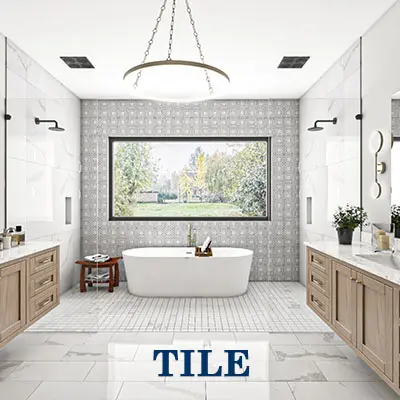
Of all the flooring options available for Arizona homes, tile and stone are still some of the toughest. Ceramic and porcelain tiles, specifically, come through like champs in high-traffic areas. These don’t scratch easily and can handle heavy use without wearing. They’re water and stain resistant, so maintenance is low.
Both tile and stone are simple to maintain, requiring nothing more than routine sweeping and mopping. They are easy to maintain and require no waxing or special treatments. There is a broad selection of patterns, from natural stone to wood to concrete. This diversity aids in complementing any decor, from contemporary to country.
With these floors, thermal performance is really strong. Tile and stone stay cool, which can have a huge impact when summer hits. This cooling effect is particularly useful in areas such as the kitchen, foyer, and living room.
2. Polished Concrete
Polished concrete shines in its contemporary appeal and exceptional durability. It’s resilient enough for brutal climates and heavy traffic and can last decades with simple maintenance. It resists stains and scratches, which is handy in active households.
This floor is easy to take care of. An occasional cleaning and resealing is generally all you need to keep it looking new. Polished concrete assists in temperature control within indoor spaces because it can store heat and release it gradually.
Customization options are wide, from tinting with color to including textured finishes.
3. Luxury Vinyl Plank
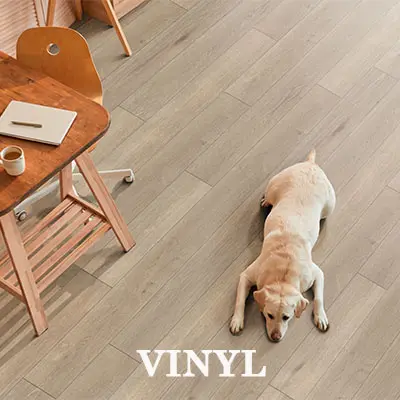
Luxury vinyl plank (LVP) is a smart selection in areas where moisture is a factor, such as kitchens or bathrooms, as it is waterproof. While tons of LVP comes with wood or stone visuals that look realistic, this provides you with design flexibility without the price tag of natural materials.
Vinyl plank is softer and warmer than tile or concrete to stand on, making for a more comfortable daily experience. It’s affordable and goes in fast. Certain varieties, such as SPC (Stone Plastic Composite), are more heat resistant and less prone to warping in direct sunlight.
This stabilizes them more in houses with lots of sun or windows.
4. Engineered Wood
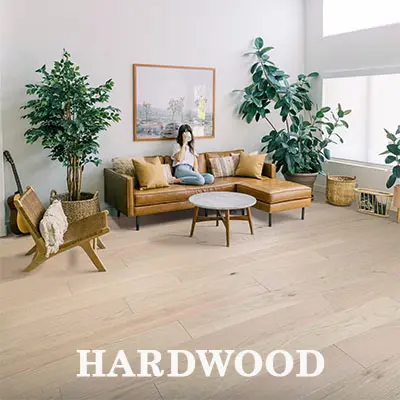
Engineered wood flooring is stable in dry, varying temperatures and low humidity, which makes it an excellent decision for Arizona’s climate. It appears to be real wood, but won’t shrink, swell or crack. Solid wood can do the trick, but requires more maintenance and attention.
It’s easier to install than solid hardwood, which saves time and labor. Engineered wood tends to be more sustainable as it can use less raw materials. Never install wood flooring without first allowing it to adjust to the home’s humidity and temperature, a problem waiting to happen.
5. High-Quality Laminate
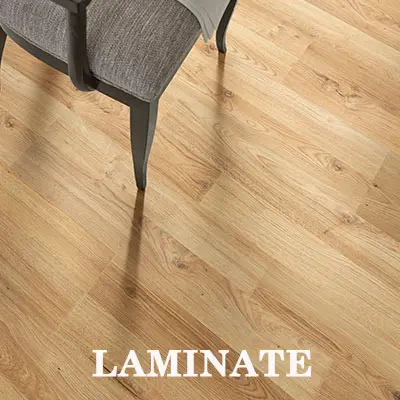
Premium laminate repels scratches and dents, which is crucial for active households with animals or children. There is a broad spectrum of finishes and styles, from classic wood to contemporary stone.
Laminate is cheap and simpler to lay than hardwood. Opt for flooring that’s designed for dry, hot climates so you don’t have to worry about it warping. Proper installation is important.
Maintaining consistent indoor humidity, preferably between 35% and 55%, will assist flooring in aging gracefully.
Flooring to Reconsider
A lot of flooring just can’t hack Arizona’s hot, dry climate. Certain ‘popular’ options may sound attractive initially, but they won’t stand the test of time or experienced families. Choosing flooring that suits the local climate counts for both comfort and long-term value.
Flooring types to avoid in hot, dry climates:
-
Solid hardwood
-
Wall-to-wall carpet
-
Laminate with non-moisture-resistant cores
-
Sheet vinyl not rated for heat
-
Softwood floors (like pine)
-
Cork
Solid Hardwood
Solid hardwood, beautiful and timeless, comes with some real drawbacks in extreme heat. Wood can swell, shrink and even crack as temperatures change and air remains dry. This movement can cause gaps to develop between planks or cause the boards to cup. Keeping up to changes means more repairs and sometimes board replacement.
This floor requires a lot of attention. You have to be on the lookout for scratches, maintain a clean surface, and refinish it when it becomes dulled or damaged. If you have an active household or limited time for maintenance, solid hardwood may not work.
Sunlight is a separate concern. It can bleach out the wood’s beautiful shade, resulting in uneven splotches where rugs or furniture had previously been. Engineered wood and luxury vinyl planks can provide the same aesthetic without nearly as much risk of warping or fading.
These types of choices usually withstand heat and sun better and are less prone to frequent mending. For lovers of the aesthetic with less concern, these options might be a better fit.
Wall-to-Wall Carpet
In a dry, dusty place, wall-to-wall carpet can trap moisture and dust, which is not good. Even if the climate is arid, homes can have moisture pockets near doors or less aired rooms, for instance. Carpet traps that moisture, increasing the chances of mold or mildew, which is difficult to detect and even more difficult to eliminate.
Vacuuming carpets in dusty locations is a routine task. Fine dust accumulates deep into the fibers, which can exacerbate allergies or reduce indoor air quality. Vacuuming is good, but doesn’t always extract it all.
Carpet bleaches quickly in hot sunlight. Spaces adjacent to windows or doors tend to fade or wear out fast, and high-traffic locations are prone to stains or flattened pile. For those who crave softness underfoot, area rugs over tile or vinyl can provide the plushness with less hazard and reduced maintenance.

Rugs can be washed or swapped out easily and allow you to shift the aesthetic whenever you feel like it!
Installation is Key
Installation is key for any flooring selection. It’s even more important for homes and buildings in dry, hot climates like Arizona. The right installation methods help floors withstand daily exposure to dust, sudden shifts in temperature, and occasional moisture. Every one of these factors can shave years off a floor’s life if left unaddressed.
Trusting certified experts who know the desert and the most up-to-date installation methods is a smart route to keeping flooring at peak condition and performance for years. Each moment, from prepping the subfloor to allowing for expansion, affects the longevity, comfort, and aesthetics of the final floor.
Subfloor Integrity
Installation is key. Checking that nice subfloor is always the first step! All subfloors must be flat, clean, and dry before any new material is applied. Any excess moisture can harm wood or laminate, resulting in warping or mold over time.
There are times when additional plywood is necessary to provide strength, particularly when laying heavier tile or stone. Sprinkling this additional layer on top provides the flooring with a sturdier base and helps minimize uneven sections. If your subfloor is already compromised—cracked, soft, stained by water—these issues should be addressed prior to installation.
Ignoring them can make the new floor shift or break down sooner. An expert installer recognizes subfloor issues before they happen. They have the equipment and expertise to fix or swap out damaged portions, minimizing the possibility of new flooring troubles.
Proper Acclimation
Almost all flooring, wood and vinyl included, needs to acclimate to the indoor environment prior to installation. This is what we call acclimation. Letting the material acclimate to the room’s temperature and humidity can circumvent issues such as expansion, contraction, or surface gaps.
Air temperature and humidity should be monitored and maintained throughout the acclimation process. A lot of companies recommend that floors acclimate in the installation room for 48 hours, but certain products require a week. These tips are crucial for an easy, long-lasting floor.
A good installation plan that allows time for acclimation is a smart step and guarantees the best results for any product.
Expansion Gaps
Leaving enough open space around the perimeter of the room is referred to as making expansion gaps. These spaces allow the floor to expand and contract as the indoor air warms and cools or dries and humidifies. Without them, flooring can buckle, warp, or crack, which is a particularly common issue in hot climates.
Installation is key. The size of this gap varies based on your floor type. Wood and laminate typically require wider gaps, whereas tile and stone demand less. Installers use little spacers to ensure those spaces are consistent on all sides.
Of course, it’s worth remembering these aren’t just technicalities. They keep the floor looking and working as expected. Homeowners often overlook expansion gaps. They are a must in climates with big temperature swings.
Good installers will educate you about why these gaps matter and ensure they are incorporated into every project.
The Underfoot Feel
Flooring selection determines a room’s underfoot feel — literally and acoustically. Here in the Arizona heat, where hot daytime temperatures and cool night breezes mingle with one another, the right floor can make life a little easier and a little quieter. Each has its own combination of softness, texture, sound deadening and temperature regulation.
Convenient easy care is important for high-traffic areas like hallways and kitchens, but they must feel great underfoot. The effect on energy efficiency, particularly in homes with variable indoor temperatures, is yet another consideration.
|
Flooring Type |
Comfort Level |
Noise Reduction |
Texture Variety |
Warm/Cool Feel |
|---|---|---|---|---|
|
Porcelain Tile |
Medium |
Low |
Smooth/Textured |
Cool |
|
Vinyl Plank |
High |
Medium |
Smooth |
Neutral |
|
Engineered Wood |
High |
Medium |
Smooth/Textured |
Slightly Warm |
|
Carpet |
Very High |
High |
Plush/Textured |
Warm |
|
Laminate |
Medium |
Medium |
Smooth |
Neutral |
|
Natural Stone |
Medium |
Low |
Textured |
Cool |
Thermal Comfort
Thermal comfort is about more than just whether your feet are warm or cool. It really helps set the tone of a room, particularly in areas with big climate fluctuations. Certain floors, such as tile and stone, remain chilly, which can be a serenity during warm seasons.
Others, such as carpet or engineered wood, provide a more cozy underfoot sensation and increased insulation during colder snaps. Some flooring options assist in keeping temperature at a steadier state, which saves on heating and cooling energy.
Just as crucial for comfort and bills alike is good insulation. Homeowners may want to select floors that accommodate both summer heat and those random cold snaps, particularly in bedrooms or family rooms.
-
Carpet: Best for warmth and insulation, ideal for bedrooms.
-
Porcelain or ceramic tile is cool underfoot and is great for hot climates.
-
Engineered wood balances warmth and insulation and works in most rooms.
-
Vinyl plank: Neutral feel, adapts to changing temperatures.
Acoustic Impact
Your flooring plays a role in how sound travels around a room. They don’t echo on the hard floors like tile or stone. Carpet and other softer materials absorb sound and muffle noise, which is handy in multi-family or multi-story houses.
The subfloor material and underlayment factor in. For homes with kids, pets, or heavy foot traffic, a floor featuring powerful noise reduction can be life changing. In apartments, this could translate to less noise permeating through floors or walls and less irritation.
Carpet is the leader in sound absorption with vinyl plank and engineered wood coming in second. Tiles and stone have a way of making everything echo unless you combine them with special underlays. For more sound control, get some acoustic pads or rugs.
Flooring Acoustic Performance Guide:
-
Carpet: Excellent
-
Vinyl Plank: Good
-
Engineered Wood: Good
-
Laminate: Fair
-
Tile/Stone: Poor
Surface Texture
Surface texture is important not only for aesthetics but for safety. A slick tile floor may appear elegant but is slippery when wet. Textured surfaces such as natural stone or textured vinyl tend to give you better traction and fewer slips, which are important in kitchens, bathrooms, or entryways.
Maintenance is another consideration. Shaggy carpets or deeply grooved wood harbor dust or spills, whereas smooth surfaces wipe clean with minimal effort. In active homes or for allergies, easy-clean floors can be a huge benefit.
Surface texture choices:
-
Smooth: Easier to clean, less slip resistance, for example, laminate and polished tile.
-
Textured: Better grip, hides wear, needs occasional deep cleaning. For example, textured vinyl and natural stone.
-
Plush: Warm, soft, traps noise and dust (e.g. carpet).
Visual Guide:
-
Porcelain tile (matte finish): Grippy, simple to clean.
-
Textured vinyl: Soft underfoot, slip-resistant.
-
Engineered wood (brushed finish): Natural feel, hides marks.
-
Carpet (low pile): Cushy, dampens sound, warmer year-round.
Long-Term Value
Long-term value for flooring in Arizona’s climate boils down to how well a material withstands heat, dry air, and sun. The right one should endure and pay for itself in savings of money and energy in the long run. Cost and upkeep, and even how a floor feels underfoot, all matter in the years to come.
Durability vs. Cost
Durability is important here in Arizona, where floors are subjected to extreme heat and even dust or sand in some situations. Tiles, such as ceramic or porcelain, are highly wear resistant and can last anywhere from 20 to 50 years. Concrete floors are hard and stand up for decades with minimal maintenance.
Certain engineered woods do not warp as easily as solid wood and are more expensive up front. Opting for a hard-wearing floor translates into less damage repairs. Tile, vinyl, and polished concrete require minimal repair, so they’re more affordable over the long term.
Less expensive floors, such as simple laminate, can scratch or swell and require replacement prematurely. Even cheap carpet wears out quickly in sun-dried rooms and there are always exchanges.
Value over time. Resilient tile or concrete costs anywhere from $30 to $100 per square meter, and the reduced maintenance requirements balance that out over time. Engineered wood, although pricier initially, might save you money if it lasts twice as long as inexpensive laminate.
Best value for money:
-
Porcelain tile
-
Luxury vinyl plank
-
Polished concrete
-
Engineered wood (higher end, UV-protected)
Maintenance Demands
Flooring maintenance can impact both time and wallet. Tile and vinyl are easy to clean. Most require sweeping and mopping, while grout might require occasional deep cleans. Concrete only needs sealing every few years!
Carpet holds on to dust and pathogens, which is why it requires frequent vacuuming and occasional steam cleaning. Wood floors need to be swept frequently, and spills have to be cleaned immediately to prevent stains or warping.
Tile and concrete, long-term, are easier. Vinyl doesn’t stain, but it can dent or fade with age. Laminate resists scratches, but is prone to water damage.
Maintenance checklist:
-
Tile: Sweep, mop, occasional grout cleaning
-
Vinyl: Sweep, mop, avoid standing water
-
Concrete: Sweep, mop, reseal every 2–5 years
-
Wood: Sweep, spot clean, occasional refinishing
-
Carpet: Vacuum often, deep clean yearly
Energy Efficiency
A few floors assist in maintaining cool or heat in houses. Tile and polished concrete do a great job of holding cool air, which is good in hot climates such as Arizona. These floors can be cold in winter, but in hot climates, they can reduce cooling requirements.
Vinyl and laminate don’t insulate as well, so rooms heat up faster. Carpet keeps in the cold but the heat, which isn’t always wonderfully desirable in mightily hot weather year-round.
Floors that help save energy:
-
Porcelain tile—lowers cooling costs, reflects heat
-
Polished concrete—high thermal mass, steady temps
-
Carpet—insulates in cool seasons, less useful in heat
-
Engineered wood—medium insulation, depends on underlay
|
Flooring Type |
Durability (Years) |
Maintenance Cost |
Energy Efficiency |
Avg. Price (USD/m²) |
|---|---|---|---|---|
|
Porcelain Tile |
20–50 |
Low |
High |
$30–$100 |
|
Polished Concrete |
20–40 |
Low |
High |
$40–$90 |
|
Luxury Vinyl Plank |
15–25 |
Low |
Medium |
$25–$70 |
|
Engineered Wood |
20–30 |
Medium |
Medium |
$50–$120 |
|
Laminate |
10–15 |
Medium |
Low |
$15–$60 |
|
Carpet |
5–15 |
High |
Medium |
$20–$80 |
Conclusion
Flooring in Arizona has to endure dry heat, sunlight and dust. Tile, stone and vinyl are great in this weather. They stay cool, clean up like no other and stand the test of time. Wood and carpet both tend to fade or trap dust, so Arizonans steer clear of those. Installing the flooring is just as important as selecting the right floor. A good job makes flooring wear and feel just right. To help floors maintain their beauty, sweep up dust frequently and place mats near entrances. For additional advice or assistance in selecting floors that fit your space, contact a local professional. Let your room work for you, not vice-versa.
Frequently Asked Questions
What flooring materials work best in Arizona’s hot and dry climate?
Porcelain tile, luxury vinyl and engineered wood are best picks. They withstand heat, dryness and fading, allowing floors to endure longer in Arizona’s harsh climate.
Can hardwood flooring handle Arizona’s temperature swings?
Solid hardwood is a no go. The dry air and temperature fluctuations can cause cracking and warping. Engineered wood fares better for durability in this climate.
Is carpet a good choice for Arizona homes?
Carpet traps dust and allergens, both of which are common in Arizona. It feels spongy underfoot, but it may not be your best bet for easy care and durability.
What type of flooring helps keep homes cooler in Arizona?
Tile and stone floors tend to feel cool. This aids in reducing indoor temperatures and can make homes more comfortable during the hot months.
Should I worry about flooring fading in Arizona?
Sure, bright light will fade certain floors. Use UV-resistant materials such as porcelain tile or luxury vinyl to resist fading and retain color.
Is professional installation necessary for Arizona flooring?
A professional installation is highly recommended. They make certain it is properly fitted and sealed, both of which play a factor in preventing damage from heat and dryness.
How important is underlayment in Arizona flooring installations?
Underlayment assists with insulation and moisture. It will help with comfort and flooring longevity inside, particularly in Arizona’s climate.