WELCOME TO THE BEST FLOORING STORE IN PHOENIX
WE’RE SO GLAD YOU’RE HERE
Beautiful Floors
Great Warranties
Unbeatable Service
Your Beautiful New Floor Awaits
A FLOORING STORE THAT’S ALL ABOUT RELATIONSHIP

I’m Shane Levinson, Owner of Vision Flooring and we’re built different.
We’re on Mission to be Arizona’s most loved and trusted home service company, and it all starts with YOU!
You’re going to fall in love with your Home all over again, and every time someone compliments your beautiful Home, you’ll remember the smooth, simple process & great people that helped turn your vision into reality.
Our Promise To You
- You’ll receive tailored, expert advice & recommendations based on your unique needs
- You’ll get vinyl flooring that will be beautiful and perform for you at a competitive price with no surprise charges
- You’re going to love our english-speaking, kind and courteous Installers
- We’ll be there for you for life with our Lifetime Gurantee’s
- And You’ll never feel pressured to make a decision or feel like you’re getting a pitch from a used car salesman.
We’re so grateful for the 10,000+ families God’s given us to serve over the last 11 years & we’re looking forward to adding you to the family soon!
-Shane Levinson
BEAUTIFUL NEW FLOORING IS JUST 3 STEPS AWAY!

1. Schedule Your Free In-Home Design Consultation
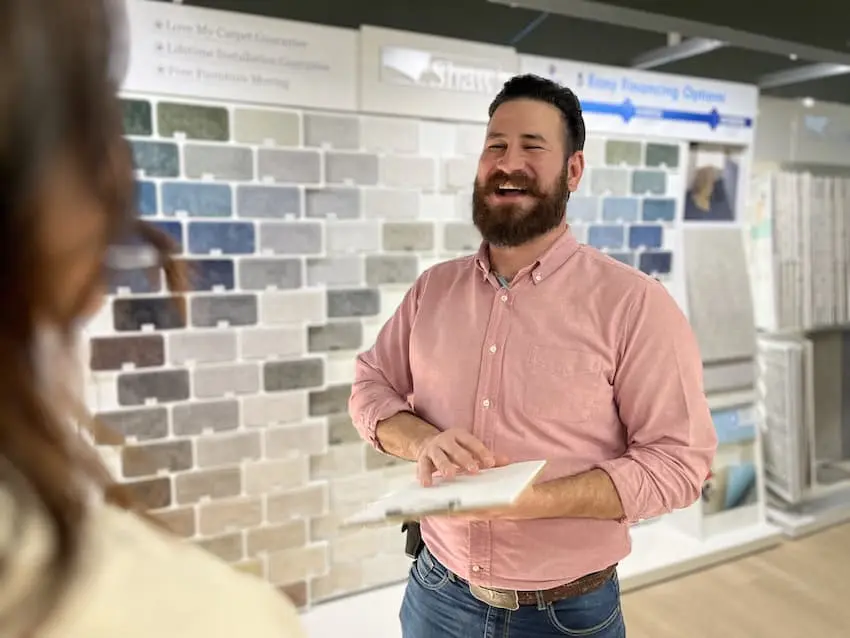
Schedule Your Free No-Pressure Design Consultation online or by calling 480-558-9777. We’ll bring the showroom to you, including samples and taking precise laser measurements. Call to get your free, all-inclusive price estimate!

2. Choose Your Financing Option
Vision Flooring makes new floors affordable! With flexible financing plans, you don’t need to break the bank to have beautiful new floors.

3. Look Forward to a Stress Free Installation
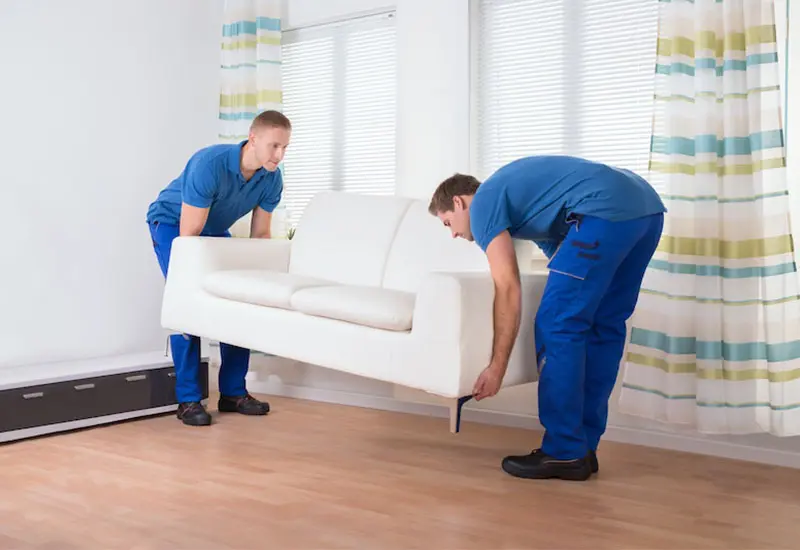
Sit back and relax, you have us! Our professional & english-speaking Installers take care of everything – moving your furniture, disposing your old floors, getting your forever floor installed and leaving your home spotless.
What Our Clients LOVE About Vision Flooring
Free No-Pressure, In-home Design Consultation
Locked in
All Inclusive Pricing
English Speaking, Professional Installation
Free Furniture Moving
DUMMBO Spray Subfloor Sanitizing
Incredibly Friendly Team From Design to Install
Lifetime Installation Guarantee
Love Your Carpet Guarantee
Flooring & Decor To Fit Your Lifestyle

VETERAN & FIRST RESPONDER
DEALS ON FLOORING

- Army Veterans Save 20% (GO ARMY!)
- Navy Veterans Save 15%
- Marine Corp Veterans get 24 pack of Crayola Crayons
- Coast Guard Veterans Save 15%
- Air Force Veterans Pay 20% More
Alright alright… had to mess with ya a little.
From one vet to another — and to all the first responders out there — you get 20% off.
It’s just our way of saying thanks for standing the line. Now let us handle the floors. 🇺🇸
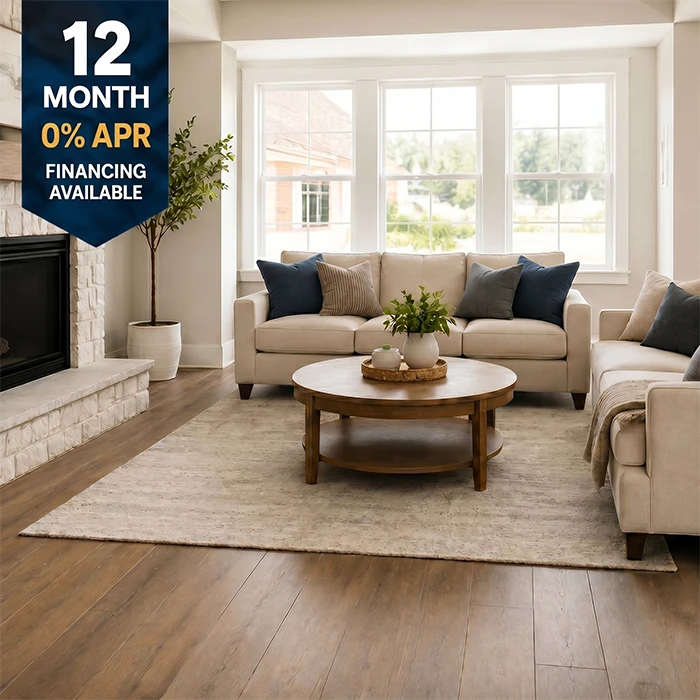
Love Your Home Again With New Floors
Beautiful flooring can completely transform the look and feel of your home. Whether you're replacing worn carpet, outdated tile, or damaged floors, our design experts will help you find the perfect solution for your style, family, and budget.
And right now, take advantage of 12 Month 0% Financing! Call 480-558-9777 To See Samples At Home
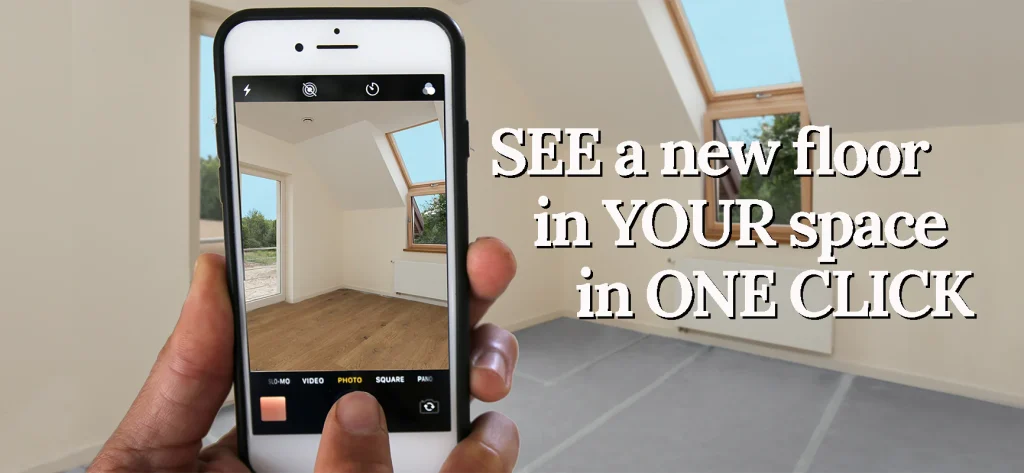
See Your New Floors Before You Buy
Our Room Visualizer lets you preview flooring options right in your own space. Just upload a photo and explore how different styles, colors, and textures will look in your home—instantly.
NEW FLOORING WITHOUT HASSLE – WE MOVE YOUR FURNITURE!
You never realize how much stuff lives on your floors until it’s time to replace it, and it can be a huge hassle!
Our Professional English-Speaking Installers take care of it all with kid-gloves so you can kick back, relax, and enjoy the feeling of a whole new home!
BEST FLOORING VALUE GUARANTEED
You’re wise to seek the best value for your money. We never want you to feel pressured to make a quick decision on a product & service that needs to perform for you 24/7/365!
What Does This Mean For You?
- Highest Value: Our quotes include products tailored to your unique needs and lifestyle. We’re not just salespeople; we’re designers and consultants helping you to make informed decisions that you’ll be living with for years.
- Quality Assurance: While we may not always offer the cheapest flooring solutions, we only provide flooring we can back with our Lifetime Installation Guarantee. We only offer items we can stand on(pun intended😊) forever.
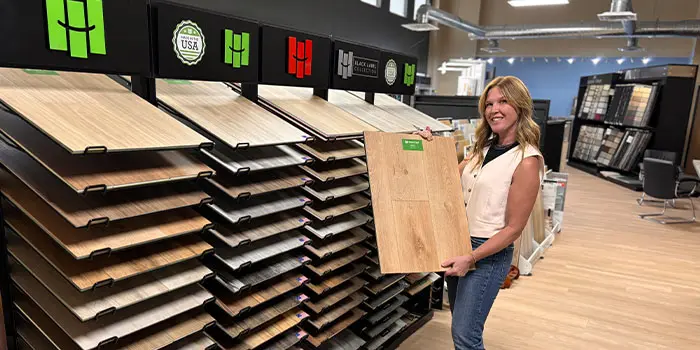
Shop Beautiful New Floors In Store or At Home

GOT FLOORING QUESTIONS?
Got a specific question about getting new floors? Our designers are standing by to answer any questions you have about getting beautiful new floors.
Easy to understand, no-pressure answers await.
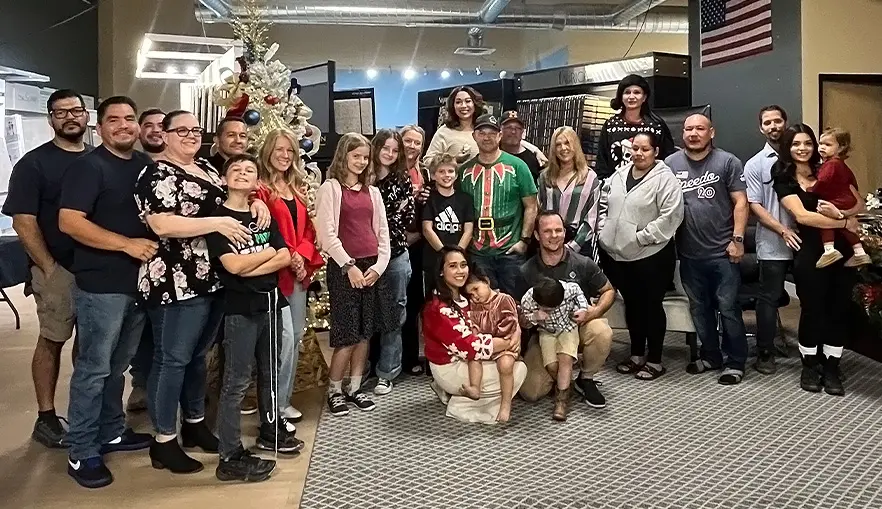
PHOENIX’S MOST LOVED & TRUSTED FLOORING STORE
From your initial design consultation through to getting your carpets installed, you’ll be treated like family. You’ll be blown away with our communication, friendliness & integrity. It’s our secret sauce behind 700+ 5-Star Reviews.
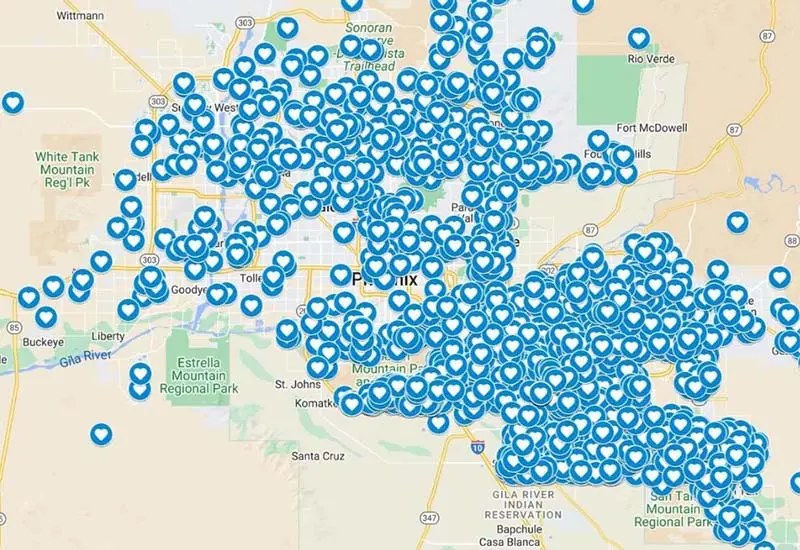
11 YEARS & 10,000+ FAMILIES SERVED
SEE WHAT THE BUZZ IS ABOUT
Let's Get Started On Your Free NO PRESSURE, In-Home Design Consultation
Check Out Our Most Recent Projects Near You!
Frequently Asked Carpet Questions
How much are estimates for new flooring?
You get FREE in home estimates at Vision Flooring. We bring a mobile showroom to your door with hundreds of samples so you can find your perfect floor.
What type of flooring is best for Arizona?
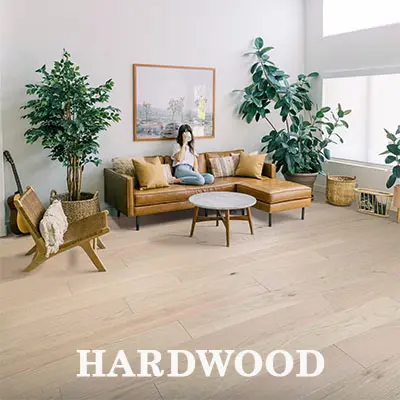
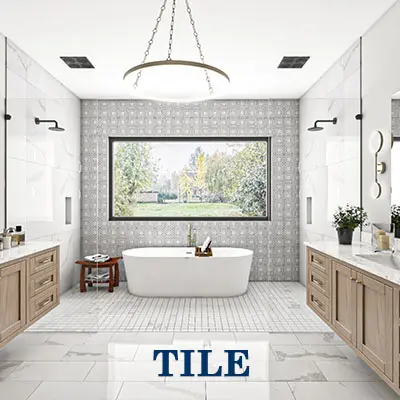
Arizona’s dry climate, extreme heat, and intense sunlight make luxury vinyl plank (LVP) and tile flooring two of the best options for homes here. These materials hold up well against temperature swings, don’t warp like wood can in other climates, and are easy to clean in dusty environments.
-
Vinyl plank gives you the warm look of hardwood without the upkeep, and it resists fading from sunlight.
-
Tile stays cool underfoot — a big plus in Arizona summers — and is extremely durable.
That said, the “best” flooring really depends on your lifestyle, space, and design goals. We offer free in-home estimates, so we can help you choose what’s best for your home and your budget.
Do you carry Coretec Flooring?
Yes, we do! COREtec is one of the most popular luxury vinyl flooring brands we carry — and for good reason. It’s 100% waterproof, incredibly durable, and comes in a wide variety of stylish colors and textures. Little known fact; Coretec created the Luxury Vinyl Plank category over 20 years ago!
Whether you’re looking for something pet-friendly, scratch-resistant, or just beautiful, COREtec has options to fit every room and lifestyle. Stop by our showroom or schedule a free in-home consultation — we’ll bring samples to you and help you find the perfect COREtec floor for your space.
Is Vinyl or Laminate better?
Both vinyl and laminate flooring have their strengths — the best choice depends on your needs and where the flooring will be installed.
-
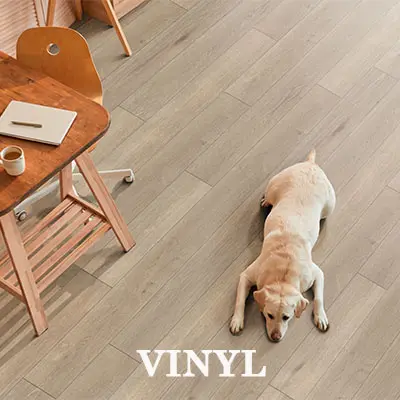
Vinyl flooring (especially luxury vinyl plank) is 100% waterproof, making it ideal for bathrooms, kitchens, and Arizona homes with lots of dust or spills. It’s also softer underfoot and quieter.
-
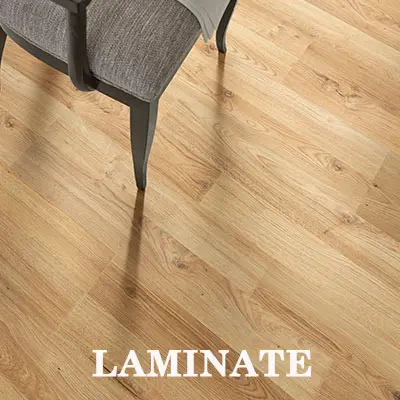
Laminate flooring offers a more rigid feel and often features high-definition wood visuals, giving you the look of hardwood at a lower cost. However, it’s water-resistant, not waterproof, so it’s better suited for dry areas like bedrooms or living rooms.
In most cases, vinyl wins for durability and versatility, especially here in the desert. But both can be great — and we’ll help you choose what fits your home best during a free in-home estimate.
Do I have to move all my furniture?
Nope — we’ve got you covered. At Vision Flooring, we handle all the heavy lifting so you don’t have to stress about moving furniture. Our team will take care of moving your sofas, beds, tables — all the big stuff — so you can relax and enjoy the transformation.
We just ask that you move any small or fragile personal items (like lamps, décor, or electronics) ahead of time. Other than that, we’ll take it from there and make the whole process as smooth and easy as possible.
Phoenix Areas We Serve