
Key Takeaways

  • Weighing the advantages and disadvantages of hardwood, engineered wood, luxury vinyl, laminate, and tile allows you to choose a dining room floor that matches your style and functional requirements.

  • Durability, maintenance, comfort, and aesthetics are all things to consider when selecting the best flooring for dining rooms.

  • Family homes can benefit from flooring that is durable, easy to clean, and safe for children and pets. Formal spaces generally opt for more classy materials like hardwood and tile.

  • Open-concept living underscores the importance of having floors that flow seamlessly from dining spaces to adjacent rooms.

  • Flooring affects not only the aesthetics of your dining room but its acoustics, feel, and scale.

  • Some materials require professional installation. We found DIY-friendly options for those wanting to keep costs and schedules under control.

Top flooring for dining rooms offers a great combination of aesthetics, durability, and low maintenance. Some opt for hardwood, laminate, or tile for their traditional appearance and ease of maintenance.

Others choose vinyl or engineered wood for affordability and water resistance. Each type pairs beautifully with broad styles and budgets.

To assist your decision, the following sections dissect the characteristics, advantages, and considerations of every flooring type.

Top Flooring Choices

Dining room floors matter a lot in terms of style and functionality. Every flooring option has its own unique advantages and disadvantages that influence the vibe and maintenance of a room. Below are the key advantages and disadvantages for the most popular selections.

Flooring Type

Pros

Cons

Hardwood

Timeless look, can be refinished, adds value, warm feel

Prone to scratches, needs regular care, higher cost

Engineered Wood

Stable in humidity, looks like hardwood, easier to install, affordable

Can’t be refinished as often, less eco-friendly

Luxury Vinyl

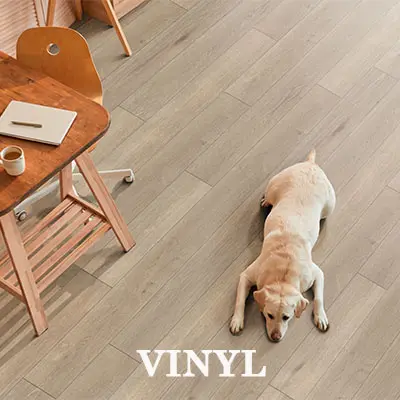
Waterproof, soft underfoot, many designs, low maintenance, affordable

Can dent, less prestige than wood, may fade in strong sun

Laminate

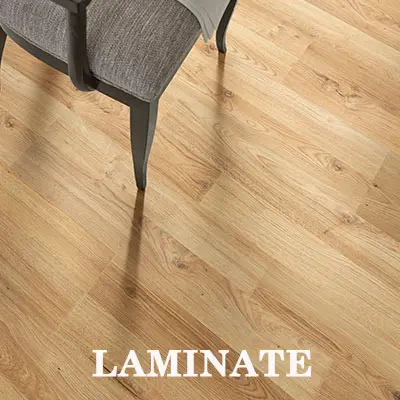
Very durable, stain and fade resistant, budget-friendly, easy care

Loud underfoot, can’t be refinished, less warmth than wood

Tile

Very tough, water-resistant, cool look, suits many styles

Hard surface, cold feel, grout needs cleaning, chips possible

1. Hardwood

Hardwood is a timeless choice for dining rooms and exudes warmth and longevity. Its appearance holds up well and it can be re-surfaced and re-stained to accommodate new trends. This allows homeowners to alter the color without replacing the entire floor.

Oak, maple, and walnut all provide a unique grain and tone, meaning the type of wood influences the room’s atmosphere. Satin or matte finishes highlight the grain and provide some protection, but require cleaning and maintenance to retain the luster and resist staining.

2. Engineered Wood

Engineered wood appears identical to hardwood but is less expensive and performs better in rooms with fluctuating moisture. The layered construction design reduces the risk of swelling or shrinking, a huge benefit in areas with wet or dry seasons.

With dozens of styles and stains to complement any dining room décor, from light ash to dark espresso, installation tends to be quicker and easier than solid wood. This can make it a very convenient option for homeowners.

3. Luxury Vinyl

Luxury vinyl has become popular for its laid-back, airy appearance, particularly in lighter shades that hide dirt. It’s spill-proof with waterproof choices, making it stress-free for busy households.

The selection of textures, from wood to stone, allows you to complement just about any style. It just feels softer and warmer underfoot than tile or wood, which is nice during those long meals.

4. Laminate

Laminate’s durability is what sets it apart. It’s a favorite in high-traffic rooms or with active families. Stain, scratch, and fade resistance is engineered in, so it looks great for years with little concern.

It’s a breeze to clean with a simple swipe or mop. With plenty of color and wood-look designs, owners can customize the space to their liking, from rustic pine to modern gray. Laminate’s affordability and easy maintenance make it a go-to for casual dining rooms.

5. Tile

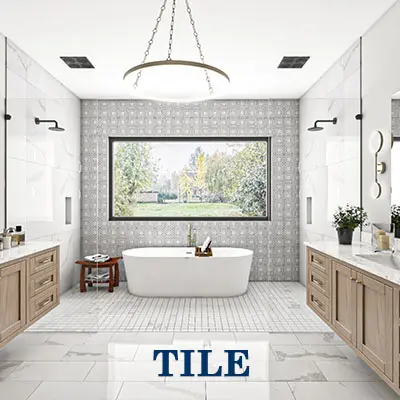
Tile works for classic or contemporary dining rooms. Ceramic and porcelain are both sturdy, water resistant and available in an enormous variety of patterns, shapes and colors. This means tile works for plain and crazy designs.

For extra coziness, tiles can be installed atop underfloor heating, which is a plus in frigid regions. Oriental rugs or natural fiber mats on tile can soften the look and add warmth, mixing tradition with utility.

Key Selection Factors

Selecting the ideal dining room flooring boils down to a combination of functionality and style. Consider these factors before making a decision:

  1. Lifestyle and Usage Patterns: Think about how the space is used. If you entertain a lot or have children, you’ll require flooring that can withstand spills, stains, and constant scrubbing. High-traffic dining rooms or multipurpose spaces demand sturdier materials.

  2. Aesthetics vs. Practicality: While style matters, flooring must support daily use. A gorgeous floor that scratches or stains may not be worth the maintenance. Striking the right balance between aesthetic and practical considerations guarantees the selection will endure and remain appealing.

  3. Comfort and Safety: Dining rooms should feel welcoming. Focus on underfoot comfort, warmth, and slip resistance. For instance, a coefficient of friction higher than 0.8 is perfect for kitchens and fits dining areas to avoid slips.

  4. Budget and Longevity: Flooring is an investment. Consider the all-in cost, including installation, maintenance, and long-term durability. Certain choices, such as quality tile or epoxy-coated concrete, can last for 20 years or more with proper care.

  5. Complementing the Space: The floor should suit the room’s size, layout, and decor. Rugs, for example, need to be scaled to the room. A size of 6 feet by 9 feet is suitable for small rooms, while larger dining rooms require sizes up to 10 feet by 14 feet.

Durability

Material

Durability

Wear Resistance

Avg. Lifespan (years)

Porcelain Tile

Very High

Excellent

20–25

Quarry Tile

Very High

Excellent

20–25

Epoxy-Coated Concrete

High

Good

15–20 (recoat needed)

Hardwood

Moderate

Fair

10–20

Laminate

Moderate

Good

10–15

Dining rooms cope with heavy furniture and chair scrapes, so select materials that resist scratches and dents. Tile or epoxy floors are a must in high-traffic areas. Never skip manufacturer warranties; for instance, some tiles carry a 25-year warranty.

Seek flooring with durable surface treatments or sealants that protect from staining and abrasion.

Maintenance

  • Sweep or vacuum floors weekly.

  • Mop with pH-neutral cleaner for tile and laminate.

  • Reseal grout monthly or quarterly for cement-based varieties.

  • Recoat epoxy-coated concrete every 15–20 years.

Laminate is resilient to routine cleaning. High gloss surfaces might require specialized attention. Tiles are stain-resistant; they require grout care on a daily basis. Hardwood needs mild cleaners to maintain its finish.

Repairs vary. Tiles are easy to replace, while epoxy or wood may need professional help.

Aesthetics

  • Neutral tones: beige, gray, taupe—fit a range of styles.

  • Textures: matte tile, smooth wood, or patterned laminate.

  • Warm woods create cozy, classic spaces.

  • Polished concrete brings a sleek, modern look.

  • Natural stone or graphic patterns can really become a focus.

Various finishes shift the vibe. Matte is for understated, while gloss is for all the drama. Herringbone or chevron patterns are interesting. Worldwide trends lean toward sustainable, natural looks.

Comfort

Stone and tile are hard, but cold. Wood or premium laminate are warmer and softer on your feet. Area rugs provide comfort and scale to any dining room, especially on hard floors.

Thermals count. Porcelain tile is cool, while wood retains warmth. Consider a floor with underlayment for warmth and quiet. Select cork, vinyl, or padded laminate to help keep noise levels down and meals comfortable.

Lifestyle Considerations

Dining room floors must suit a variety of lifestyles. Families, professional performers, and those with open-concept homes all have different requirements. Choosing the appropriate flooring involves considering who is using the space, how they use it, and what is important in terms of comfort and style.

  • Families require tough, wipeable floors for everyday life.

  • Formal dining rooms benefit from elegant, classic materials.

  • Open concept homes require floors that tie spaces together and appear seamless.

  • Some desire warm, plush carpeting. Others like cool, hard floors.

  • Light colors show less dust; good for busy homes.

  • Style and comfort matter, just like durability and function.

Family Homes

It has to survive heavy foot-traffic, spit-ups and playtime. Vinyl, laminate, and engineered wood are great choices because they’re easy to clean and can resist scratches. Stain-resistant finishes guard against dropped food or spilled drinks.

These choices benefit families with pets since claws and fur can degrade weaker surfaces. While carpets are cushy, they won’t do for households that prefer to clean up immediately after eating.

Safety is a legitimate issue in households with children or the elderly. Non-slip floors reduce fall hazards, particularly in child-friendly homes. Certain vinyl and laminate come with integrated slip resistance. Opting for a matte or textured finish can help, too.

For families, we love designs that conceal dirt and wear. Patterns, grains, or multi-tone floors assist in masking crumbs, stains, and scuffs. Lighter colors are in because they catch less dust and keep the area feeling open and airy.

Formal Spaces

Formal dining rooms demand flooring that appears both elegant and classic. Hardwood is impressive because of its warm appearance and durability of decades. Polished or matte tiles can establish the vibe of a higher-end area.

Both have tons of color and size options, so you can match just about any decor. Color and pattern have a lot to do with the ambiance of a formal dining room. Deep, warm hues or timeless herringbone patterns lend an element of sophistication.

Neutral colors make the room look fresh and go great against luxe pieces of furniture. Floors in formal spaces must play along with the design, not oppose it. We tend to select flooring that contributes to the room’s personality and accentuates signature pieces like a grand table or glass hutch.

I want it to be a room that always feels organized as if company is coming over any second.

Open-Concept Living

In open-plan homes, having a single flooring throughout the dining, kitchen, and living areas aids the space to feel cohesive. Wide plank wood, large format tiles, or seamless vinyl can bridge these zones with ease. It makes the room feel more spacious and less cramped.

Lifestyle considerations – cohesive design. Repeating the same color or material from room to room maintains a clean and contemporary look. Meanwhile, rugs or a shift in plank direction can delineate zones such as the dining area or lounge space.

Flexible flooring transitions to everything from dinner to homework or play dates. Hard, stain-resistant surfaces work well for high-traffic zones. Other homeowners opt for sound-dampening floors to keep noise to a minimum in big open spaces.

Comfort is essential. In colder locations, underfloor heating or adding area rugs keeps feet warm. In hot climates, tile or stone feels crisp and fresh.

The Unseen Impact

Dining room flooring is about more than sustaining the day-to-day grind. It sets the room’s mood, modifies acoustics, influences tactile interaction, and even fools the eye. From the sensation beneath bare feet to its noise-dampening effect during dinner, the perfect floor can make a dining space more inviting, functional, and resilient.

Room Acoustics

Dining rooms echo back with the noise—chatter, laughter, chairs shuffling and plates clinking. Hard flooring such as porcelain tile or stone reflects the sound, allowing it to bounce around and echo. In glass, metal, open-concept rooms, these floors can make spaces feel echo-y and less cozy, which can be draining over extended dinners and parties.

Soft flooring, like carpets or expansive rugs, can minimize this sound. They absorb sound, so talking is easier and the room is less unforgiving. Even placing a rug under the table or using felt pads on chair and table legs can help control sound, particularly in active households.

For hard surface lovers who want less echo, throw in some curtains, upholstered chairs, or wall hangings. These supplemental fabrics reduce noise ricocheting off floors and soften the dining experience.

Underfoot Feel

How a floor ‘feels’ when walked on can define a dining room’s comfort. Wood and engineered wood provide warmth and just a hint of flexibility, perfect to stretch out on for those long dinners or family get-togethers. Porcelain tile remains cool and hard, which is less welcoming, especially in cold environments or for people who like to sit on the floor barefoot.

Harder floors make you tired if you stand a lot, but are usually easier to clean after a spill. Thicker materials with a bit of spring, like cork or luxury vinyl, can provide comfort with minimal maintenance. Textural accents like hand-scraped wood or woven rugs give a new dimension to the sensory experience and make the space seem more grounded.

Heavy tables and chairs can dent softer floors or erode thinner veneer layers, particularly if furniture remains in a single location for years. Adding some felt pads and rotating your furniture will help preserve these floors and keep them feeling and looking good a little longer.

Visual Space

Flooring can alter the perceived size of a dining room. Lighter shades and simple grains and long planks can open up a room, whereas dark colors or busy patterns can make a room feel cozy but smaller. Matching the dining room floor with adjacent rooms or employing smooth transitions makes it all feel connected and less choppy.

When selecting a floor, consider how it will border your furniture. A complementary floor can highlight a solid wood table or recede to allow vibrant chairs or art to pop. If the dining room opens to a kitchen or living space, matching flooring can visually expand the entire space.

Installation Insights

Dining room flooring installation requires thoughtful consideration, not only in appearance but in how it works with your household and lifestyle. Floors do not all install the same way, so understanding what works best can save you time and money and make your space more inviting.

Texture and light go a long way, with glossy finishes like tile or polished wood able to reflect natural or artificial light and give the room a larger or cozier feel. Rougher finishes, such as hand-scraped wood or textured laminate, inject depth and prevent things from appearing too flat.

Pro installation is often best for example, hardwood, stone or large-format tile floors. These have to be expert hands that know how to cut duvet, fit duvet, and lay it just right, particularly in adjoining rooms. Errors can get pricey rapidly, and a pro understands how to handle waste.

Always account for roughly 5-10% additional material to cover cuts or screwy moves. Having a pro on hand comes in handy for tricky spots, like aligning your floor with connecting rooms or open-plan spaces. Transition strips or T-molding are your friend here, helping the transition from one type of floor to another look clean and polished.

Certain floors are more DIY-friendly. Laminate and LVP snap together with basic tools. They repel fading, spills and scuffs, so they remain attractive in active dining rooms. For readers interested in stingier budgets, floating floors like these are a wise choice because they require no glue or nails and can usually be installed over existing floors.

It still helps to double check the subfloor is clean and flat. A rug is another easy add-on and choosing the appropriate sized rug makes all the difference. For small dining rooms, a 6’ x 9’ rug works best, an 8’ x 10’ fits medium rooms, and a 9’ x 12’ or 10’ x 14’ fits bigger spaces. Ensure the rug extends 24-36 inches beyond the table so chairs scoot with ease.

Timing is another consideration. New floors are loud and messy, so schedule for a time when the dining room isn’t employed. Almost every job requires several days, particularly with adhesives or finishes that must cure.

Good light helps catch boo-boos or color shifts, so work during daylight if you can. For open floor plans, time work so the transition between rooms isn’t interrupted for too long and use matching or complementary floors to unify the aesthetic.

Styling Your Floor

Styling your dining room floor is about considering the balance of aesthetics, durability, and cleanability. A beautifully styled floor can really pull the space together and make the room feel cozy, regardless of what floor type you choose or what decor you adore.

Area rugs bring comfort and style to dining rooms. Rugs are magic on top of bare hardwood, tile, or even laminate, providing you with a means of transformation without transforming the floor itself. Traditional rugs with Oriental patterns, for example, work well in classic dining rooms and these don’t need to be bold in color. Understated choices in muted reds, blues, or creams can appear equally as beautiful.

For a contemporary space, flatweaves or rugs with a subtle stripe or geometric pattern fit the bill. If you’re feeling daring, go for a rug with vivid colors or an eye-catching design. This can assist in demarcating the dining zone, introduce some pizzazz, and jump start a color palette for the remainder of the space. If you place a rug in a sunlit area, rotate it every six months to maintain an even color.

Layering rugs is an easy way to add dimension and coziness. Experiment with layering a large natural fiber rug underneath a smaller, soft rug. This goes great with hardwood and lighter LVT floors, which are both easier to keep clean and hide dust. Multiple rugs allow you to experiment with textures and warm up the room, particularly if you have a large open-plan area.

Throwing a soft rug over a bamboo or jute base can break up a long room and give each area its own vibe. Styling your floor to match your furniture keeps everything looking neat. When it comes to lighter floors, like washed oak or soft gray laminate, pale wood or white tables and chairs tend to pair up best for that calm, simple look.

Darker floors work well with either rich wood or painted furniture if you’re going for a more traditional or formal vibe. Regardless, attempt to maintain a balanced color palette. Strong colors can make a room seem restless, so keep the big stuff neutral and use the little stuff for color.

Accessories such as seat pads, floor cushions or planters can add character and pull your look together. Little touches of style, such as woven baskets, metal candle holders, or a simple runner can add warmth and prevent the space from feeling too minimal or bare. If your space is busy, keep it to just a few key pieces.

Conclusion

Potent floors enhance a dining room. Wood appears inviting and timeless. Tile withstands spills and hectic days. Laminate and vinyl make it simple to clean. Rugs provide an extra bit of fresh style or a supple step. Every option has its advantages, ranging from durability to minimal maintenance. Consider your lifestyle, who is eating at the table, and the aesthetic you desire. No one floor suits every home, but defined needs make it easier to choose. Test a few samples, touch the surface, and stand in the room. The right floor makes every meal feel right. For more advice or to exchange thoughts, contact or sit in on a design discussion group. Your space should match your life.

Frequently Asked Questions

What is the most durable flooring for dining rooms?

Porcelain tile and hardwood are extremely durable. They are resistant to stains and scratches, which is ideal for high traffic dining areas.

Is laminate flooring suitable for dining rooms?

Yep, quality laminate is fine. It is budget friendly, simple to maintain, and comes in tons of wood or stone look-alikes.

How do I choose the right flooring color for a dining room?

Select colors that coordinate with your furniture and wall colors. Neutrals work well with most styles and help create an inviting feel.

Are carpets recommended for dining rooms?

Carpets aren’t good because it’s a dining room and things will get spilled. If you prefer soft, then opt for area rugs on hard floors. They’re easy to clean!

What flooring is easiest to maintain in a dining room?

Vinyl and tile floors are the simplest to clean and maintain. They withstand spills and stains, so they are practical for dining rooms.

Should I consider eco-friendly flooring for my dining room?

Yes, green choices such as bamboo or cork are sustainable and beautiful. They’re hard and can improve indoor air quality.

How important is professional installation for dining room floors?

Expert installation means it’s built to last, fits like a glove and looks beautiful. It prevents typical problems such as gaps or unevenness.