
Key Takeaways

  • Choose nylon or wool carpet fibers for their durability and resilience. Keep in mind your budget and maintenance preferences.

  • Select your pile style – loop, cut or cut and loop – for a blend of durability, comfort and aesthetics in the room of your choice.

  • Choose dense, appropriately twisted carpets for durability and matting resistance in heavy traffic areas.

  • Spend wisely on quality underpadding and professional installation. It’ll make the carpet more comfortable, quieter, and last longer.

  • Think neutral or patterned carpets that will hide dirt and stains while complementing both function and style.

  • Implement a regular cleaning and periodic deep maintenance schedule to keep carpets looking new and extend their life in high traffic areas.

Best carpet for high traffic areas that carpet is the best one to choose.

These fibers resist footsteps and everyday wear. Short, dense piles stay cleaner and keep their shape nicely. A loop or textured style can camouflage dirt and wear patterns.

Most of us choose darker colors or even patterns to assist in hiding stains. Below details the leading carpet styles and defines what makes them tick.

Defining Durability

Durability is the foundation of any carpet in high-traffic areas. Busy spots, such as entryways, hallways or your family room, demand carpets that stand up to wear, fight stains and maintain their integrity. The proper carpet endures consistent treading, grime and potential spills while providing an equilibrium of elegance and coziness.

Knowing what makes furniture durable is the key to picking something that’s a wise investment and well-suited for both the space and its inhabitants.

1. Fiber Type

Nylon is the preferred type for high-traffic areas. It’s durable, springs back rapidly after being compressed, and is good at repelling stains when treated. Nylon carpets don’t go flat in high-traffic areas like your bustling living room or office hallway.

Polyester is an alternative. It is less expensive and available in a broad array of colors, but can’t stand up as well in busy households, particularly ones where shoes are worn indoors. Olefin, known as polypropylene, excels in moisture-prone areas such as water and spills.

It won’t soak up moisture, so it’s great for basements or entryways. Wool is a natural choice, providing a soft touch and excellent resilience. Wool berber carpets can last a long time with proper maintenance. They require more upkeep and have a higher initial price.

2. Pile Style

Loop pile carpets have the yarns bent into loops which makes them tenacious and excellent at camouflaging dirt. This style is a solid choice for hallways or stairs. Cut pile carpets feel softer. The yarn tips are sheared, providing a smooth surface which is soothing to the foot.

These are best for bedrooms or lounges where comfort is paramount and foot traffic is lower. Cut and loop carpets blend the two, introducing pattern and texture while standing up to mixed-use environments. Each pile style alters the carpet’s feel and wear.

Loops conceal wear, cut piles deliver plushness, and blended styles give you the best of both.

3. Carpet Density

High-density carpets have fibers packed so close that they hold up to crushing and flattening much better. Denser carpets block sound too, which is a big plus in busy homes or offices. Comparing density is simple: press your fingers into the carpet.

If you can feel the backing, it is less dense. For busy areas, choose carpets with tight weaves and a lot of fiber per square centimeter. This keeps the carpet looking newer longer, even in high traffic areas.

4. Twist Level

Twist level is the number of twists per length of yarn. With more twists per inch, the carpet will resist matting and maintain its shape, which is perfect for hallways or family rooms. A good twist defines durability, but with a soft hand.

If the twist level is too low, the carpet matted down fast. If it is too high, it might not be as plush. Twist level is a silent factor, but it goes a long way in active homes. Higher twist carpets wear for a longer time and retain their neatness, making them an intelligent choice for high traffic zones.

Fiber Comparison

Carpet fibers make a huge difference in how well flooring holds up to foot traffic. All three fiber types have their own strengths in terms of durability, cost, and long-term care. This table shows a quick overview of the top choices for high-traffic areas:

Fiber Type

Key Features

Durability

Moisture Resistance

Cost (per m²)

Nylon

Stain resistant, versatile

High

Moderate

High ($30-50)

Polyester

Soft, bright colors

Moderate

Moderate

Low ($15-30)

Olefin

Moisture and fade resistant

Moderate

High

Low ($10-20)

Wool

Natural, resilient, warm

High

Moderate

Very High (over $50)

Olefin shines in wet spots like entryways or basements. It doesn’t absorb water, so it wards off mold and mildew way better than nylon or wool. Olefin carpets go to work in sunrooms and playrooms due to powerful fade resistance.

Still, for high-scuff areas, olefin can erode quicker than more robust options. Wool’s an obvious choice for coziness. It withholds rooms cozy and fights against crushing under hectic feet.

Family rooms enjoy wool’s cozy texture and noise-dampening qualities. Its fibers fight back against dirt and stains, so it stays looking clean longer. That said, wool requires more maintenance and is pricier than synthetics.

Nylon

Nylon is our favorite for hectic households and workplaces. It withstands foot traffic, holds its shape, and resists stains from spills. Nylon’s fibers spring back, which is why you don’t see flattened carpet after years of everyday foot traffic.

That renders it dependable in corridors, stairwells, and family rooms. Nylon appears in a lot of styles and colors. It’s equally functional in casual environments as well as in professional ones, so it accommodates a lot of situations.

It’s more expensive, but nylon endures longer and is more cost-effective.

Polyester

Polyester’s bargain price and bright color options appeal. It’s soft underfoot, so it feels great in bedrooms and playrooms. It may not hold up as well in high-traffic areas such as hallways.

Newer polyester carpets are more stain-resistant and durable. These enhancements imply they could now endure more pedestrian activity than previously. Eco-friendly choices utilize recycled substances and cater to purchasers interested in a more green household.

Olefin

Olefin is excellent in damp or sunny locations. It keeps out moisture, so it’s great in basements or by doorways. It is not as durable as nylon or wool, but it is cheaper and easy to wash.

Olefin’s colors are fade-resistant to sunlight, so it works in bright rooms. Sweeping and spot cleaning typically suffice for maintenance, making it a match for active families seeking low maintenance floors.

Wool

Property

Details

Stain Resistance

Naturally resists stains, stays clean

Dirt Repellence

Hides dirt, easier to vacuum

Warmth

Insulates, keeps rooms cozy

Maintenance

Needs regular vacuuming, prompt spot cleaning

Cost

Higher upfront investment

Wool’s dense fibers spring back from foot traffic, so it maintains its appearance in high-traffic areas. It is both renewable and biodegradable, making it a leading eco-friendly option.

Wool requires more maintenance, including immediate spot-cleaning when spills occur and ongoing care. The initial cost is greater, but it rewards those seeking organic comfort and durability.

Construction Insights

Carpet construction is pivotal in how well a carpet endures heavy foot traffic. How these fibers are organized and bonded together influences not only ruggedness, but coziness, style, and stain resistance. By understanding the three main construction types, loop pile, cut pile, and cut and loop, you’ll better be able to pick out the right carpet for high traffic areas.

Loop Pile

  • Fibers are looped and uncut, creating a durable flat surface.

  • Built to endure heavy traffic, it’s a favorite choice in offices, schools, and hallways.

  • Conceals grime and scuffs effectively due to the looped texture.

  • Available in everything from tight, low loops to more open, textured patterns.

  • Maintains a neat appearance in foyers, staircases, and other high-traffic locations.

Loop pile carpets like Berber are constructed for high traffic areas. The loops spring back after being stomped, so they retain their form longer than certain other varieties. Low-profile loop piles are simple to clean and fight matting, which is helpful in areas where feet are constantly in motion throughout the day.

Their minimalist aesthetic complements contemporary and traditional interiors alike.

Cut Pile

Cut pile carpets are all about softness and tend to be popular in living rooms or bedrooms where comfort is important. The fibers are cut at the ends so they stand up and feel plush beneath your feet. How tightly the fibers are twisted will alter the carpet’s durability and texture.

Dense cut piles absorb more abrasion and maintain their appearance of fullness, whereas looser cut piles can become flat more quickly. Among cut pile types are Saxony, textured, or frieze. All have a distinct style and texture, so there’s something for every preference and requirement.

A few cut piles straddle plush and durable, which is ideal for spaces that see regular but not intense traffic. There’s nothing like the look of cut pile carpets to add warmth and style to many spaces.

Cut and Loop

Cut and loop carpets mix cut and looped fibers in a design. This blend leads to patterns and textures that give a room some depth. The ridges and valleys can assist in disrupting the appearance of mud, stains, or footprints, maintaining a clean appearance of the carpet in high traffic areas.

This construction provides a nice blend of both comfort and durability. It’s perfect for hallways, family rooms, or playrooms where both style and practical function are important. Patterns can be understated or loud, so they fit a variety of aesthetics.

High-traffic zones enjoy their wear-hiding properties.

The Unseen Factors

There are lots of things that make a carpet last in high-traffic areas, some get overlooked. These unseen elements, such as what is below the carpet, how it is installed, and what certifications it possesses, are very important. They determine the way your carpet feels, how long it remains nice, and even your indoor air.

Underpadding

A quality rug requires quality under padding, not a skimpy or inexpensive one. The proper underpadding protects against abrasion, preserves the carpet’s resilience and enhances its overall comfort. It removes the friction from the fibers, so the surface appears fresher longer.

Underpadding reduces noise and makes rooms cozier. For flats or busy homes, this can really assist by making the space calmer and conserving energy. Not all underpadding works with all carpets. Heavier or denser pads can be ideal for loop or low-pile carpets, with softer pads fitting plush styles nicely. Always trust the carpet maker’s tip.

Good underpadding helps your carpet stay sturdy and beautiful long after years of wear and tear.

Installation

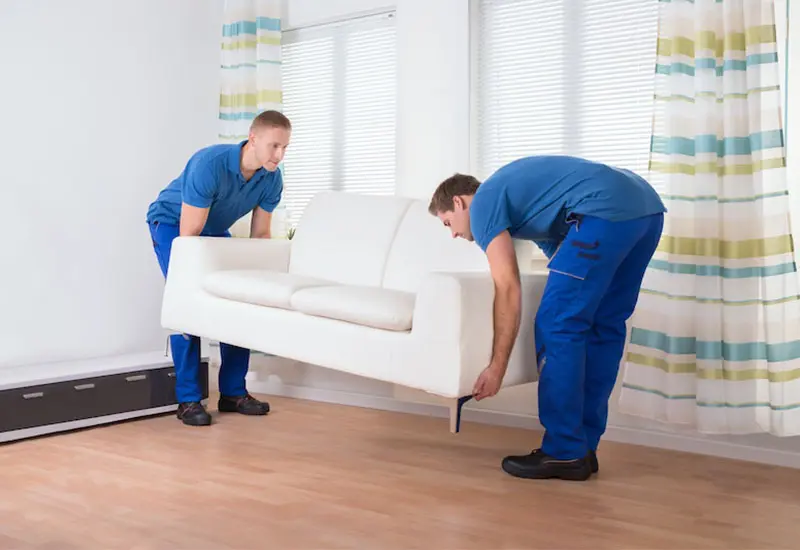
Professional carpet fitting is not merely aesthetics. It’s about taking care of the hidden work that keeps the carpet snug and secure so that it doesn’t wrinkle, shift, or prematurely wear. If it’s not pulled tight and held down properly, you can get bumps or curling at the edges, both of which are unsightly and a tripping hazard.

Consider the contours of your space — stairs, doorways and weird corners can be tough. A professional installer understands how to cut and fit pieces so that they last longer and maintain your floor evenly smooth. Proper fitting means you won’t be repairing stuff as often, which saves you cash and trouble down the road.

Certifications

We noticed carpet labels and stamps can indicate if a product is health or green certified. Certain carpets are labeled for low VOCs, which means they do not emit a lot of gas that might endanger the air in your house. This is crucial if you want a healthier indoor environment, particularly for kids or the elderly.

Durability marks such as those from prominent testing groups demonstrate whether a carpet will resist heavy foot traffic. Others concentrate on green selections with recycled materials or superior dyes. A Global GreenTag or CRI Green Label can direct buyers to safer and more durable products.

Certifications assist you in choosing carpets that comply with rigorous standards for both safety and durability.

Smart Aesthetics

Smart aesthetics in flooring is the art of balancing form and function. For high-traffic areas, our best carpet needs to not only complement your style but withstand heavy footfall. Your color and pattern selections have a significant impact on the perceived cleanliness of your floors and the appropriateness of your carpeting.

The right pile style and twist level count for as much as color or pattern, particularly in high-traffic areas. Low-pile carpets, such as Berber, are typically chosen for high-traffic rooms since they are durable and simple to clean. This chapter describes how to select carpet colors and patterns that keep high-traffic spaces looking beautiful yet remain functional.

Color Choice

Color choice impacts the appearance and function of carpets. Darker tones or variegated colors such as charcoal, brown, or slate do a better job of concealing dirt and stains than lighter hues. This comes in handy in entryways, halls, and family rooms where spills and marks are inevitable.

Neutral colors, like beige, gray, or taupe, are versatile. These shades mix with almost any decor and make it simple to redecorate without recarpeting. They provide a tranquil background for furnishings and artwork as well.

Others opt for deep hues to imbue a room with personality. Deep blue or rich red carpets for the living areas can show lint or dust easier and may require closer attention.

Color transforms the mood of a room as well. Lighter shades can make a small room look larger, while warm tones add comfort and soften large open spaces. The right color can harmonize light, mood, and function.

Pattern Power

Patterns are handy for style and maintenance. ‘Active’ patterns, such as speckles, stripes, or small repeats, are excellent camouflage if you happen to drop something on a plain carpet. That makes them functional for shoe-wearing areas or kids’ play.

Geometric designs like chevrons or diamonds bring a contemporary edge. These look great in clean, modern homes and provide a feeling of organization in open-plan spaces. They can direct the eye, making a long hallway appear shorter or a narrow room appear wider.

Old-school designs such as florals or shabby-chic lend a classic vibe. These fit well in traditional or rustic style homes, and the pattern detail does a great job of camouflaging wear as it accumulates.

A Persian-style rug in a hectic sitting room, for instance, can endure for years and continue to look new. Patterns do a great job of breaking up the monotony that can sometimes appear in large rooms.

By focusing attention on parts of the floor, a patterned carpet can make busy areas appear less scuffed and more inviting. Routine cleaning is still essential to maintain any carpet’s appearance.

Proactive Maintenance

It’s about being proactive, not reactive, with repairs or replacements. This maximizes carpet life and keeps it looking fresh. It prevents downtime for emergency cleaning or restoration. Scheduled inspections and cleaning timers identify minor issues, and on-time repairs preserve carpet functionality.

To some, this might appear to be a time or resource intensive strategy, but to others, it is more economical in the long run. A solid maintenance regimen has fixed schedules, cleaning processes, and defined responsibilities for all members of the household.

  • Set a weekly vacuuming schedule, focusing on busiest walkways.

  • Deep clean carpets every 6 to 12 months, or more frequently if necessary.

  • Treat spills and stains right away with suitable cleaners.

  • Rotate furniture every few months to prevent uneven wear.

  • Use entry mats and carpet runners to catch dirt.

  • Keep an eye on carpet edges and seams for premature wear.

  • Log all maintenance tasks and spot checks for review.

Routine Cleaning

Vacuuming as little as once or twice a week prevents dirt and dust from settling deep into carpet fibers. For maximum effectiveness, employ a vacuum with aggressive suction and tines designed for deep or looped pile carpets. Make sure to clean high-traffic areas more frequently as they collect more grit and dirt.

Shoes track in dirt and tiny rocks, so have relatives or visitors wear shoe covers or walk around barefoot inside. Carpet protectors, such as plastic runners or area rugs, prevent these spots. They are removable and clean separately from the carpet, keeping wear to a minimum and making regular cleaning easier.

Regular cleaning is not just cosmetic. It avoids chronic damage, which is more expensive to repair down the road. Maintaining an easy everyday or every week cleaning schedule preserves your time and your wallet.

Deep Cleaning

  • Plan a deep clean every 6 to 12 months. Modify for high traffic zones or residences with children and pets.

  • Choose steam cleaning or hot water extraction to get down to embedded dirt. These methods take care of the dirt that vacuums leave behind and eliminate allergens and odors.

  • It actually extends the life of your carpet because it breaks down that built up soil before it abrades your fibers.

  • Staying ahead of deep cleans keeps carpets looking brighter and feeling softer.

This method requires additional time and attention. Its rewards more than justify the exertion.

Stain Treatment

Be aggressive when something spills. The more time passes, the more risk there is of a stain setting. Blot, don’t scrub, with a clean cloth because scrubbing makes the stain spread. Have a stain kit on hand and stock it with mild detergent, white vinegar, baking soda, and paper towels.

Different stains require different cleaners. For instance, opt for a water-based cleaner for mud and a solvent-based one for oil stains. Find out which products absorb the most for the typical mishaps in your home.

Educate everyone in your household on stain etiquette. Shared wisdom keeps minor boo-boos from turning into tattoos.

Conclusion

High-traffic areas demand hard-working carpets. Nylon and polyester both wear well underfoot. Loop pile and tight twists maintain their shape and appear tidy for a longer period of time. Dirt and stains don’t have a chance against low-pile styles. Select colors and patterns that camouflage stains and complement the room. Blot spills immediately and vacuum frequently to keep fibers vibrant. Watch for wear around doors and hallways. Thoughtful selections and routine attention keep floors stylish and fresh. For additional carpet picks or maintenance advice, see our guides or submit your questions. Keep it looking good, whatever’s walking through.

Frequently Asked Questions

What is the most durable carpet fiber for high traffic areas?

Nylon is the most resilient carpet fiber. It defies tread, maintains form, and cleans up beautifully. It is perfect for well-trodden places.

How does carpet construction affect performance in high traffic areas?

Loop pile carpets, Berber for example, are best for high traffic areas. Their dense construction renders them durable and allows them to resist crushing and matting.

Are dark or patterned carpets better for hiding dirt in busy areas?

Yeah, dark or patterned carpets conceal dirt and stains more effectively than light, solid colors. This keeps high traffic zones looking cleaner.

How often should I clean carpets in high traffic areas?

Vacuum high traffic carpets twice a week. Deep clean every 6 to 12 months to remove embedded grime and preserve carpet life.

Are stain-resistant carpets worth it for high traffic zones?

Indeed, if you want our recommendation, stain-resistant carpets are a very intelligent option for congested areas. They make it easier to clean spills and keep your carpets looking new longer.

What factors besides fiber and construction impact carpet durability?

Carpet padding, density and backing all contribute to durability. Premium padding and tight tufts add plushness and help carpets endure heavy wear.

Is professional installation important for carpets in high traffic areas?

Expert installation guarantees a nice fit and maximizes carpet life. Proper installation prevents wrinkling, bunching, or premature wear.