Key Takeaways

  • Silent moisture is the quiet floor and subfloor destroyer, so evaluate moisture and install a heavy-duty vapor barrier before flooring.

  • As we’ve learned, prolonged dampness deteriorates structural wood and concrete. Select your barrier type according to subfloor conditions and heed moisture testing!

  • Moisture is the enemy. It causes swelling, adhesive failure, buckling, and odors. Select the appropriate sheet membranes, liquid-applied coatings, or integrated underlayments for your room and material.

  • Damp environments contribute to mold, allergens, and health risks. Ventilate well, check relative humidity, and add barriers that have antimicrobial properties where necessary.

  • Proper installation is as important as product selection, so get that subfloor ready, seal seams and edges thoroughly, and stick to manufacturer specifications or professional advice.

  • Consider climate, building codes, and longevity when choosing a barrier to safeguard warranties, minimize repairs, and future-proof your floor.

A moisture barrier under flooring is important because it prevents water vapor from permeating upward into floor layers and destroying them. It reduces the possibility of mold, warp, and adhesive failure on wood, laminate, and vinyl flooring.

The right barrier varies by subfloor, local moisture, and flooring. These installation methods, ranging from sheets to liquid membranes, impact long-term performance.

The key is how to select, where to place, and common errors to avoid.

The Silent Destroyer

Moisture under flooring is never seen, yet it steadily destroys. The Silent Destroyer – Invisible water vapor and trapped damp can move from soil, through concrete slabs, or from indoor humidity. Unmarked, this gradual invasion undermines subfloors, finishes, and indoor air across months and years.

A tough moisture barrier separates flooring from hidden dampness and inhibits extended material degradation.

1. Structural Decay

Extended exposure to moisture degrades wood subfloors, OSB, and plywood. Wood fibers swell, shed stiffness, and begin to rot wherever damp lingers. Concrete slabs on wet ground can absorb water, spall, or develop hairline cracks that expand.

Joists and beams exposed to chronic damp can experience loss of load capacity as small rot spots proliferate and carve into structural security. Unchecked, they advance from local patches to major underpinnings, increasing cost and endangering residents.

2. Flooring Damage

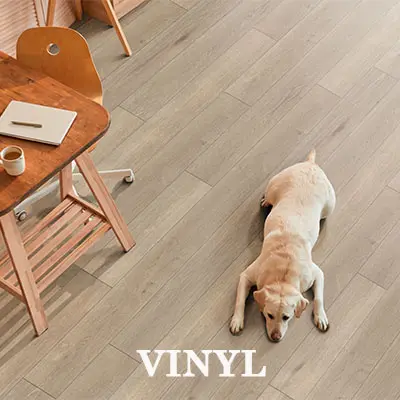
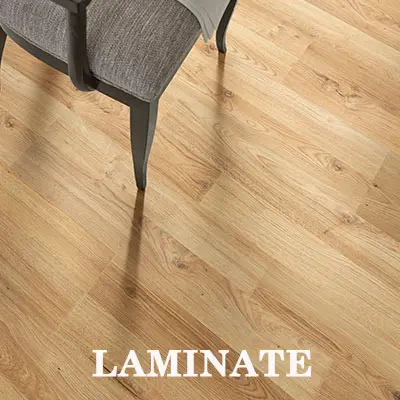
Moisture under finished floors manifests itself as swelling, buckling, or gaps between planks. Laminate and hardwood will cup or bend when they absorb moisture and then dry unevenly. Vinyl plank floors can seam lift or bubble when adhesives let go, especially in glued-down installations because moisture disrupts bond lines and promotes delamination.

Early indications are uneven walkways, plank deformation, and surface bubbles. Proper underlay and vapor control help keep flooring flat, bonded, and performing as expected.

3. Health Risks

Damp subfloors are a breeding ground for the mold and mildew that emit spores and reduce your indoor air quality. Lurking mold beneath flooring may be missed while residents endure allergies, respiratory irritation, or worse.

Dampness provides an environment in which some bacteria and dust mites can flourish, further increasing allergen loads. Certain decaying substances emit volatiles when decomposed by moisture and those vapors can be disruptive to comfort and health.

A properly installed vapor barrier minimizes these hazards by restricting the moisture that feeds biological activity.

4. Odor Problems

In addition, persistent under floor dampness tends to create musty odors in the home. Mold and mildew growing under finishes release smells that surface cleaners and Febreze can’t reach.

Odor is often an indicator of a more significant moisture problem that requires diagnosis and repair, not odor covers. By installing an efficient barrier, you not only put a stop to the moisture source but prevent the odors from developing.

5. Financial Loss

Moisture repair, including subfloor replacement, rot repair, or finished floor replacement, is way more expensive than the cost to install a proper barrier in the first place. Many floor warranties call for a moisture control plan, and passing on this step voids coverage and costs owners.

Preventive investment in good vapor barriers guards the flooring and the larger structure, saving money over the life of the building.

Moisture Origins

Moisture that ends up on a floor originates in a couple of somewhat predictable locations. Understanding if water is coming from underneath, accumulating in the air, or spilled on top helps choose the correct moisture barrier and safeguards the finish and structure.

Subfloor Sources

Concrete slabs let ground moisture move upward through pores and hairline cracks. This is most active when slabs are in contact with damp soil or lack a vapor retarder beneath them.

Crawl spaces can act like soft chimneys, drawing damp air up into joists and subfloor sheathing. Basements ride below grade and abut foundation walls and dirt. Hydrostatic pressure, rising groundwater, or poor drainage create persistent moisture that can push through walls and slabs.

This is why basements typically require stronger barriers and drainage measures. Wood subfloors, such as plywood and OSB, absorb moisture. Wet wood swells and warps and can grow mold.

Even short-term exposure to increased moisture can leave trapped moisture between the subfloor and floor. Test prior to installing. Test the moisture with a concrete moisture meter, calcium chloride test, or relative humidity probe in slabs and a pin-type or dielectric meter in wood to determine if moisture control is necessary.

Ambient Humidity

Seasonal swings alter indoor moisture levels. In the summer, it comes in from the outside through ventilation and diffusion. Condensation can form and remain locked under flooring layers when indoor air cools near floor surfaces.

Elevated indoor humidity gives moisture the opportunity to condense beneath floors and between layers, developing unseen wet areas that eventually cause cupping, delamination, or mold. This can occur even in climates that feel dry part of the year.

Manage ambient moisture with ventilation, exhaust fans, and dehumidifiers. Mechanical ventilation and balanced air exchange function nicely in tighter new buildings.

Track relative humidity (RH) with simple monitors. Keep RH in living spaces generally between 30 and 60 percent to reduce floor risk. If RH consistently exceeds safe ranges, consider an advanced vapor barrier or vapor retarder under the floor.

Accidental Spills

Kitchens, bathrooms and laundry rooms experience regular liquid exposure from sinks, appliances, showers and accidental spills. These rooms require additional safeguarding even when ambient moisture is minimal.

Liquid barriers and sealers help block standing water from wicking into seams and subfloors. They are a backup defense when cleanup is lagging or there are little leaks.

Timely cleanup is still important. Barriers impede but do not completely prevent all danger. For high-exposure rooms, select waterproof flooring options such as vinyl, tile, or sealed concrete combined with the right underlayment.

Room

Subfloor Type

Expected Moisture Exposure

Recommended Barrier Type

Bathroom

Concrete

High

Vapor barrier

Kitchen

Wood

Medium

Moisture-resistant barrier

Basement

Suspended slab

Very High

Waterproofing membrane

Crawl Space

Concrete

Medium

Vapor barrier

Barrier Selection

Choose a barrier that matches the flooring material and the subfloor conditions. Consider the type of floor, the substrate (concrete, plywood, OSB), the room’s use, and the local climate. Match vapor-retardance to risk. Dry climates generally need lighter protection, while wet or below-grade spaces need heavier Class I barriers.

Be mindful of manufacturer requirements. Many flooring warranties depend on using a specific underlayment or vapor control system.

Sheet Membranes

Plastic sheet membranes provide a continuous, impermeable barrier to water vapor. They perform well over concrete slabs and below grade installations where ground moisture or hydrostatic pressure is a concern.

These sheets are simple to install in principle: overlap seams, seal with tape or adhesive, and extend up walls where needed. Thickness ranges matter: 6 mil is the thinnest, 20 mil is the thickest and most durable.

In wet climates, choose at least 12 mil, while 6 to 11 mil can be fine in dry climates. Sheet membranes are generally compatible with most floorings, from tile to vinyl to engineered wood, but verify that adhesives and floors can handle a non-porous material.

Liquid Coatings

Liquid moisture barriers are painted or rolled onto the subfloor and cure into a seamless film. They contort to cracks and uneven surfaces, making them effective on concrete and some wood subfloors.

Others incorporate antimicrobial agents to minimize the threat of mold and mildew and consequently can enhance indoor air quality. Getting the depth of application right is key.

Adhere to manufacturer guidelines regarding wet film thickness and curing times. Liquid systems can achieve Class I-level resistance when used properly and are a great option when continuity over joints and penetrations is necessary.

Integrated Underlayments

Integrated underlayments provide cushioning, sound control, and moisture protection all in one. They’re handy for floating floors like laminate and LVP where a pad and vapor layer saves man hours.

Some of the best underlayments even have a built-in vapor layer thick enough for higher resistance requirements. Others are thinner and designed solely for dry applications.

Check compatibility with flooring makers: some warranties require a specified underlayment type. Barrier selection is important.

If you use the wrong pad, you’re risking your demise. Flooring installed without a moisture-resistant underlayment can fail in a destructive manner in three to seven years.

Using the right system can increase longevity to twenty to thirty years and prevent expensive replacement, sometimes costing fifteen thousand to thirty thousand dollars.

Think about climate, your source of moisture, and flooring when you choose a barrier – sheet, liquid, or integrated – to avoid warping, mold, and indoor air issues.

Proper Installation

Accurate installation of a moisture barrier is a requirement for dependable moisture control. Even the best materials are wasted if they are installed incorrectly, so adhere to a process and check off every step. Here are specific things to do and think about to make sure your barrier does its job. View installation videos for method-specific visuals and pacing.

Subfloor Preparation

Clean the subfloor and dry it completely before any barrier goes down. Clean off dust, dirt, paint flakes, and construction residue. Fix cracks, holes and unevenness by grinding high crowns and filling in low areas to provide a flat surface that eliminates puncture potential and maintains even pressure.

Conduct moisture testing using either relative humidity probes or calcium chloride tests to see if extra drying time or remediation is required. Testing indicates whether a 6-mil barrier will work or if a thicker, more resilient solution is necessary. Eliminate old glues, sticky residue and loose debris so tapes and adhesives adhere correctly.

Adhesives typically require a clean, dry substrate or else tape or glue failure.

Seam Sealing

Checklist for seam sealing:

  1. Lay sheets with a minimum of 150 mm (6 in) lap to create a continuous layer.

  2. Apply manufacturer’s approved vapor tape or vapor-rated adhesive over all seams.

  3. Press tape firmly and check for voids or bubbles.

  4. Seal all penetration points and fasten edges.

Unsealed seams allow moisture to bypass the barrier and undermine protection. Use a low-permeance vapor retarder (0.1 perms or lower) to limit moisture migration while still permitting adhesives to bond.

Inadequate overlap of less than 150 mm will create a weakness where moisture can escape. For concrete slab work, select materials that meet ASTM E1745 and any flooring manufacturer ASTM requirements to protect warranties. Watch short how-to videos on seam taping for proper pressure, sequencing, and inspection tips.

Edge Detailing

It’s smart to carry the moisture barrier up walls or baseboards for 150-300 mm (6-12 in), taping or fastening it to create a full envelope. This vertical rise stops any capillary or vapor trails at the slab-to-wall joint. Trim neat around pipes, columns, and other penetrations, use pre-cut collars or field-cut pieces and tape all seams.

Tiny gaps around obstacles are failure points, so be thorough. Attach to the subfloor perimeter with staples or adhesive so it won’t move around when you install flooring. For high-traffic or demanding environments, opt for thicker sheeting—10-mil or higher—and make sure it meets ASTM standards for tensile and puncture resistance.

Proper edge detailing finishes the moisture management plan and integrates seams, penetrations, and floor coverings into seamless protection.

Advanced Factors

Moisture barriers impact not just floor performance in the long run, but health and energy consumption. Select and apply barriers considering local climate, codes, and test results. These subtopics describe how these factors affect selection and installation and identify advanced solutions for challenging or risky locations.

Climate Impact

They then explained that humid climates and below-grade spaces such as basements require the most robust barriers because constant vapor drive increases flooring failure risk. In these environments, employ Class I or heavy Class II barriers, think 12 to 20 mil, and designate materials with antimicrobial treatment to reduce mold.

Seasonal swings from rainy months to dry months mean one low-perm sheet can hold moisture. Add a vapor diffuser or ventilated sub-systems where humidity is severe to provide controlled drying, rather than sealing it in. Dry locations can more easily accommodate permeable materials. Open-celled underlayments or Class III barriers are fine if the subfloor is dry and there is little risk of condensation.

Regional weather patterns and historical moisture incidents should guide choices. Coastal, monsoon, and flood zones generally require increased perm-resistance and puncture protection.

Moisture Testing

Here’s one advanced factor: always test subfloors prior to installing new floors. Use calcium chloride tests to measure moisture vapor emission rate from concrete and in-situ relative humidity probes to read percent RH within the slab.

These tests identify concealed dangers like rising damp or trapped water and warrant the use of a 6 mil film or a 12 to 20 mil system with taped seams and integrated underlay. Keep a record of test data. Documentation backs up warranty claims and informs future maintenance choices.

Repeat tests after remediation or drying and prior to laying finish materials to verify conditions within manufacturer limits.

Building Codes

Local codes can demand particular vapor barriers for installs in particular buildings, such as multi-unit dwellings or commercial spaces. They can specify minimum Class or perm ratings, or minimum thickness and fire performance.

Being compliant reduces your liability, ensures your insurance is in place, and you remain eligible for product warranties. Rules vary; some jurisdictions require a Class I barrier beneath polyethylene films, while others accept integrated systems with documented performance.

Check relevant codes and standards early in project planning and map product specs to code language to prevent rework.

Advanced Solutions for Challenging or High-Risk Areas

  • Utilize 20 mil recycled material membranes with taped seams for puncture resistance.

  • Impermeable barrier and vapor diffuser for extreme humidity areas.

  • Select barriers with antimicrobial finish to reduce mold in basements.

  • Finally, install thermal-backed barriers for insulation and energy savings.

  • Employ continuous RH monitoring for commercial or sensitive installations.

The Invisible Shield

Moisture barrier (aka the invisible shield) – This is a continuous layer between your subfloor and finished floor that prevents moisture vapor from permeating upwards and damaging your floor. It is a simple concept with big consequences: when properly installed as an unbroken sheet, overlapping seams by at least 15 centimeters and taping them tight, it keeps vapor paths closed and prevents slow, unseen damage that shows up as cupping, delamination, mold, or adhesive failure.

In moisture-prone humid climates and above concrete slabs that eternally wick water from the earth, that invisible shield is what keeps the look and the structure of your floor intact. For decades, a moisture vapor test will determine if your slab needs protection and how much vapor it emits to help you select the best product.

Long-Term Value

Moisture barriers extend the life of the finish floor and subfloor, reducing repair and replacement expenses over time. Even minor, repeated damp events can gradually weaken glues, warp boards and discolor materials. Catastrophic events like plumbing leaks or flooding cause more severe loss, but the shield lessens the likelihood that vapor or pooling wetness will find its way to susceptible layers.

Keeping things dry keeps your indoor environment comfortable and breathes fresh air into your property value and resale appeal. When budgeting for flooring, list the barrier as a line item. Its initial expense is minuscule relative to the future savings in repair costs, lost time, and preserved warranties.

System Synergy

A moisture barrier is one piece of a multi-layered defense consisting of proper underlayment, adhesives, and compatible flooring materials. It’s a system in which all the layers feed off of one another. Underlay provides cushioning, sound control, and secondary moisture resistance while the barrier blocks vapor.

Adhesives seal edges and prevent capillary action at laps. For most concrete installations, 6-mil polyethylene sheeting is the standard for floating floors, although there are other products for specialized purposes. (Diagram: top finish floor → underlayment → taped moisture barrier → concrete slab.) By clearly diagramming each project, installers and owners can visualize how layers line up and where seams, transitions, and terminations need to be sealed.

Future-Proofing

Choose barriers that correspond to both your present materials and probable future shifts, because changing floor types down the road can reveal vulnerabilities if the substrate is wet. Tough membranes minimize surprises during remodels and promote green design through zero waste of frequently replaced flooring.

Select products with independent test results, manufacturer vapor transmission data, and long warranties to ensure peace of mind and guard your floor investment for years to come.

Conclusion

A moisture barrier protects floors from warping, mold, and rot. It stops ground wetness, spills, and humidity swings. Choose the barrier to suit your flooring and climate. Lay the barrier smooth, tape seams, and trim edges to the manufacturer’s guide. Install a moisture barrier beneath your floors. Raise crawl spaces and include vents or a dehumidifier where soil gas or elevated humidity is present. Inspect seams and joints when conducting regular cleanings. Little repair now prevents a lot of repair later.

For assistance selecting the appropriate product or a detailed installation plan, inquire about a site evaluation or consult a flooring expert.

Frequently Asked Questions

What is a moisture barrier and why does it matter under flooring?

A moisture barrier is a substance that prevents water vapor from invading your floor. It stops mold, warping, and adhesive failure. Putting one in safeguards floor longevity and indoor air quality.

Which flooring types always need a moisture barrier?

Concrete-based subfloors, as well as engineered wood, laminate, and vinyl, often require barriers. These are the materials that are the most sensitive to moisture-driven damage and thus have the most to gain from protection.

How do I choose the right moisture barrier?

Match barrier type to subfloor and flooring. Use polyethylene sheets for concrete and vapor-retarder underlays for wood. Choose products with clear vapor transmission ratings and manufacturer approval.

Can a moisture barrier stop liquid water from leaks?

Since most barriers block vapor, not standing water. For leaks or flooding, put in waterproof membranes or repair the source first. Barriers are designed to combat long-term moisture migration, not acute flooding.

Is professional installation necessary?

Professional installation minimizes the risk of gaps, seams, and improper overlaps. For complicated subfloors or warranty-sensitive flooring, bring in a pro. DIY might be okay for basic, level installs.

How does a moisture barrier affect indoor air quality?

A solid barrier inhibits mold and mildew growth beneath floors. This decreases allergens and VOCs. Apply low-VOC certified products to prevent incorporating toxic chemicals.

How long does a moisture barrier last?

Lifespans differ by material and conditions. Poly sheets could last decades if left undisturbed. Check when swapping out flooring or after water events. Manufacturer lifespan and warranty.