
Key Takeaways

  • Flooring removal and disposal cost varies by material, labor, disposal method, and project size, so get itemized estimates to comprehend the full price breakdown.

  • Various materials affect pricing significantly, with carpet and laminate usually lower per square metre while glued hardwood, tile, and toxic materials increase labor and disposal costs.

  • Labor rates can differ widely, so shop around for several quotes and consider licensed contractors for insurance and warranty even if the rates are a bit higher.

  • Damaged or uneven subfloors and required repairs add time and cost. Make sure to budget separately for subfloor prep and potential remediation.

  • How you dispose can impact both your total cost and your compliance, so check your local waste programs and weigh landfill, recycling, and hazardous waste options for price and environmental impact.

  • DIY can save on smaller jobs, but you’ll need the right tools, muscle, dust control, and risk management. Hire pros when there’s mercury, a massive undertaking, or warranty and paperwork involved.

Flooring removal and disposal cost is the cost to remove old floor coverings and haul away debris. Rates depend on material, size of square footage, and labor costs, with typical ranges from relatively inexpensive carpet demolition to more expensive tile or engineered wood.

Hauling, disposal fees, and subfloor repair may incur additional charges. Below, we go over average costs, price-changing factors, and cost-saving possibilities.

Cost Factors

Knowing the key cost factors goes a long way to establish expectations before any flooring removal. Cost factors: Top line items are removal pricing, labor, disposal fees and material type, all of which impact time on site, equipment requirements and ultimately your final invoiced amount.

Here’s a closer look at how those factors play out and what to request in detailed quotes.

1. Flooring Type

Carpet removal usually runs at $0.60 to $5.10 per square meter. Note that stated rates are per square foot; use local conversion. Most pros charge $1.10 to $5.10 per square foot. Staircase work adds about $2 to $5 per step or $150 to $400 per flight.

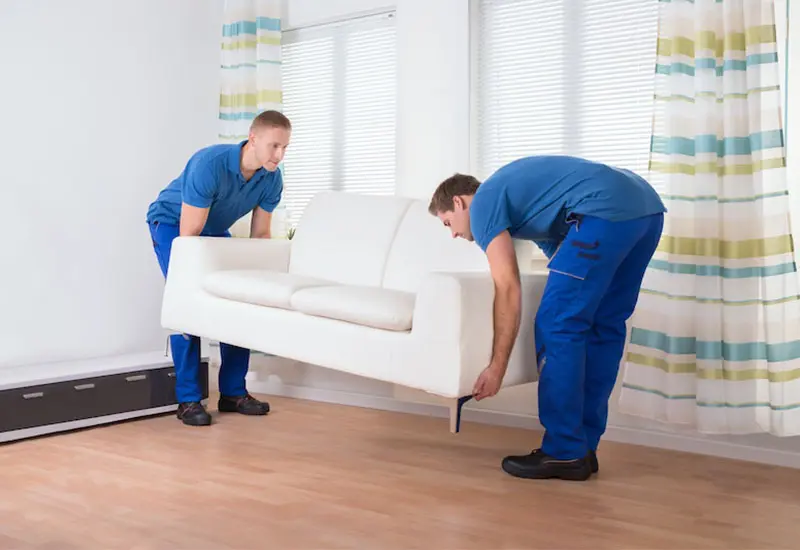
Glued-down carpet costs $1.50 to $5.00 a foot due to the labor-intensive nature of scraping up the adhesive. Carpet pad removal is around $0.60 to $1.60 per square foot and can increase if furniture has to be moved. Thick or premium carpets increase removal and disposal costs.

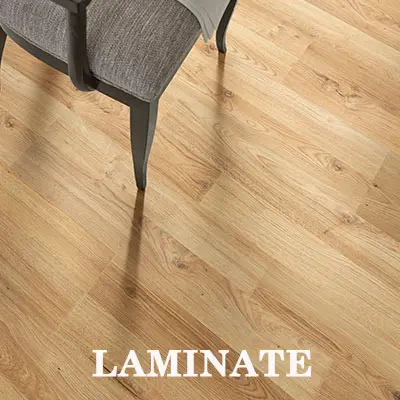
Old hardwood that is nailed or glued adds labor and time. Reclaimed or thick tongue-and-groove planks are slower to remove. Laminate comes off quicker, so the cost per square foot is usually lower. Tile removal is frequently the most labor-intensive. Ceramic or stone can require breakers, dust control, and hauling, which all increase prices.

2. Labor Rates

They bill by square foot, by hour or by project. Union crews and licensed contractors cost more but provide insurance, warranty and paperwork. Local labor shortages, peak seasons and high demand push pricing up.

Get several quotes to compare rates, scope and services included. Ask if quotes separate out surface prep, glue removal, hauling and disposal as line items.

3. Subfloor Condition

Ruined or uneven subfloors increase the time and expense. Repair, leveling, and prep are frequently individual line items. Plywood subfloors might require nails, patching, or sanding.

Concrete slabs might need grinding or moisture tests. Appropriate prep avoids issues with the new floor and saves you money down the road. Check with the contractor so the bid lists both demolition and anticipated repair work.

4. Disposal Method

Standard landfill fees are typically lowest with separate hauling fees. Recycling or special processing are more expensive but reduce waste. Hazardous handling for asbestos or pre-1980 sheet vinyl will set off abatement rules and higher disposal fees.

Look for local waste programs. Some cities and towns will offer compliant drop-off or rebate for reclaimed materials.

5. Project Size

Bigger jobs get volume discounts and spend more. Little rooms encounter the least service fees. Commercial projects require heavier machinery and higher labor costs.

Contrast average prices by room dimension and square-foot bands to identify reasonable rates.

6. Hazardous Materials

Asbestos abatement requires licensed crews, clearance testing, and certified disposal, which drives up price significantly and necessitates documentation and permits.

Professional vs. DIY

Professional vs. DIY removal both want to remove old flooring, but it varies so much in cost, time, risks and paperwork. What’s the right answer? It depends on project size, your skill and time, local climate issues, and how much you value warranties and dump receipts.

Professional services usually charge a basic tear-out and haul-away rate in the range of about 0.50 to 3.00 per square metre equivalent (note: global readers, convert local units) with variations for glue removal, stairs, or complex layouts. Complete professional installation can be four to five times the material cost of a DIY job once labor and overhead are factored in.

Pros work fast: a trained crew can finish tear-out and cleanup for many rooms in under two hours, while a DIYer may need multiple weekends. What a pro takes five hours, a homeowner might take ten to fifteen hours as they learn. For humid areas, additional drying and care may be required to prevent subfloor warping, which makes the argument for pros stronger.

DIY savings look good on paper. Add up equipment rental, dump fees and your time versus a pro estimate that includes haul-away and rudimentary cleanup. Rental fees for floor scrapers, jackhammers or dumpster bins accumulate.

Disposal at a transfer station or landfill differs by destination and can move your overall out of the industry tear-out range. Consider the potential of additional fees should you encounter damaged subfloor or older adhesives that require special handling.

Basic tools and supplies for realistic DIY removal include utility knives, pry bars, floor scrapers, heavy-duty gloves, knee pads, eye and respiratory protection, hammers, chisels, extension cords, a shop vacuum for dust, and where needed, a rented floor stripper or small jackhammer.

For tile over thick mortar, you usually need an electric or pneumatic breaker. Plan for containment: plastic sheeting, tape, and a HEPA-capable vacuum help limit dust spread.

Difficulties are pragmatic and universal. Physical strain is huge, particularly tearing up tile or glued vinyl. Dust control is important for both health and cleanup. If the containment isn’t good, it can weave silica dust or old thin-set dust through a home.

Subfloor damage is a genuine concern during aggressive removal, and it needs to be repaired, which increases the cost. Time overruns and learning curves are common. What appears feasible can extend timelines and budgets.

Professionals provide warranty, insurance, and disposal paperwork. A licensed crew will almost always have liability insurance and can provide proof of legal disposal, which reduces potential future compliance or resale headaches.

For most, that paperwork and the reduced probability of unseen damage make the increased upfront cost worth it.

Hidden Expenses

Hidden expenses tend to arise as soon as you start ripping up the floor. They can move a neat estimate into a monster invoice. Expect surprises and understand where costs typically lurk so you can budget and haggle with builders.

Hidden Expenses

  • Flooring removal

  • Subfloor repairs — Rot damage, an uneven laying surface, or antiquated installations might require replacing or leveling the subfloor, which can add a few hundred dollars or more depending on extent.

  • Debris hauling — A lot of quotes exclude complete cleanup and dumpster costs. Anticipate removal fees that can be around 0.40 to 0.50 per square meter or, in more common terms quoted, 0.25 to 1.00 per square foot in removal, with disposal occasionally more.

  • Underlayment, adhesives, and fasteners — New underlay and glue or nails are required, set aside an additional 0.30 to 1.00 per square foot.

  • Trim and molding — Refacing or replacing baseboards and thresholds can run between 1 to 4 per linear foot.

  • Stair installation or refit — Stairs require more skill and materials, budget around 7.00 to 20.00 per stair.

  • Waste allowance — Add 5 to 10% of material to cover offcuts and errors, particularly for tile or hardwood where matching is needed.

  • Permits and local disposal laws — Some areas require materials to be handled in a unique manner and charge higher disposal costs.

  • Disposal variability — Disposal costs vary widely by region and material, ranging from around 0.70 to 5 per square foot in some locations.

  • Contingency — Reserve a contingency budget of roughly 10 to 15% for unexpected expenses.

Don’t forget about those hidden costs: subfloor repairs, debris hauling, and extra prep work that may not be included in initial estimates. Most providers will only quote labor to lift the floor and a rough haul-away fee.

They won’t look behind for mold or water stains or glue build-up until they tear out the current floor. If your subfloor requires new plywood, leveling compound, or mold remediation, those are separate line items. Request contractors to itemize these and give unit costs so you can compare bids.

Caution that surprise problems like mold, water, or excessive adhesive scrapings can push up total price. Mold remediation frequently needs containment and expert disposal. Water damage can lead to massive portions of subfloor replacement.

Thick adhesive or glued-down tiles may require additional man hours, grinders, or chemical strippers and add hours to the job.

Tip homeowners to have a written quote with any possible extras listed. Demand line-item pricing for removal, disposal, subfloor work, materials, trim, stair work, and contingency. Track receipts and bids to prevent sticker shock and plan cash flow for the entire extent.

Budgeting Strategies

Budgeting for flooring removal and disposal starts with a transparent list of probable expenses and sane buffers to absorb shocks. Here are no-frills, realistic tips to budget your project: plan your spending, control overruns, and compare alternatives so the project stays on track.

  1. Get multiple free quotes

Get three written quotes from local flooring tear-out guys. Compare overall price, what’s included, and scheduling. Have providers itemize removal and disposal fees, labor hours, and any additional fees. Leverage the quotes to identify low or high outliers and to verify if haul-away, recycling, or site clean-up is included. A tile job with mortar can run towards the higher end of removal, while carpet tends to land at the low end.

  1. Break costs into clear line items

Pullout, disposal, labor, materials and extras. De-listing cost per square metre (or foot translated into metric in your notes) — typical desking falls in the vicinity of 0.25 to 1.00 USD per square foot. Then add on installation, materials, trimmings. Installations generally cost $2 to $8 per square foot. Underlayment and adhesives can add 0.30 to 1.00 per square foot and trim or molding might be $1 to $4 per linear foot.

It provides a perspective on where savings are available, like doing demolition yourself versus bringing in the pros.

  1. Plan for contingencies and waste

Give yourself a buffer of 10 to 15 percent for surprise discoveries such as water damage, rot, or subfloor that needs to be repaired or replaced. Add a material waste buffer of 5 to 10 percent to account for cuts and mistakes, particularly for tile and hardwood.

For instance, ordering 7 percent additional hardwood can prevent you from getting stuck if boards get damaged during installation.

  1. Compare rates, services, and reviews

Think bigger than just price. Read reviews, check licenses or trade credentials, and ask for references. Verify disposal. Landfill fees differ by area and some offer recycling at reduced rates.

A somewhat higher hourly rate is reasonable if the contractor factors in disposal and site cleanup.

  1. Factor in subfloor and additional costs

Check the subfloor early. Fixing uneven or damp subfloors increases cost and delays. Neglecting it increases the long term risk. Factor in probable expenses for underlayment, adhesives and trim as well to prevent unexpected shock.

Add material pricing ranges to your budget, from 2 to 15 USD per square foot depending on choice.

The Disposal Dilemma

Taking up old flooring just presents these types of practical questions, because how do you get rid of it? Decisions impact price, timing, and eco-friendliness. Average disposal fees run between $79 and $350, depending on method and debris volume.

A 200 square foot (about 19 square meter) hardwood room can yield roughly 227 to 363 kilograms (500 to 800 pounds) of material: planks, nails, adhesive scrapings, and subfloor bits. That weight and material type dictate what disposal options are available, how much time removal will require, and if any special equipment or handling is necessary.

Curbside pickup, dumpster rental, and city dump drop-off are the usual routes. Curbside pickup is sometimes provided by flooring disposal companies for an additional fee, which is convenient but usually limited in size, weight, and by local laws.

Dumpster rental allows you to keep all debris in a single location for the length of the project, but rates increase with size and rental duration and may need a permit. Municipal drop-off is often cheapest per load, but you do have to haul those loads yourself and comply with various facility restrictions. Some centers will not accept treated timber, some types of glue, or large bulky items.

Pros and cons by method:

  • Curbside pickup: pro—convenient, no transport. con—extra fee, size and weight limits, local rules.

  • Dumpster rental: pro—continuous disposal on site, suits big jobs. con—higher upfront cost, permits, placement issues.

  • Municipal drop-off: pro—often low cost, clear rules. con—requires labor and transport, restricted materials.

  • Professional hauling: pro—fast, less work for homeowner, may include sorting. con—adds to project cost.

  • DIY haul to landfill or recycling: pro can save money if time and vehicle are available. Con it is time-consuming and physically demanding.

DIY disposal can take three to eight or more hours and is hard work. For bigger jobs or several rooms, it is usually easier to hire a pro for disposal. When you add up labor, truck rental, and time, it can actually be more affordable too.

Disposal can add ten to twenty percent to total project costs, so plan ahead. Recycling and repurposing drives down cost and environmental damage. Reclaimed hardwood can have a second life, and certain locations will take clean wood to recycle.

Recycling reduces landfill waste and may save on disposal fees. It involves sorting and occasional washing of materials. Homeowners – get yourself a local disposal list with addresses, hours, fees, accepted materials, permit requirements and weight or vehicle restrictions.

Reach out to each center prior to removal. That preparation saves you time, keeps you from getting fined and helps you select the right means for your budget and environmental ambitions.

Finding a Pro

Locating the right professional for flooring removal and disposal impacts cost, timeline, and safety. Start with a clear sense of scope: what material will be removed, the total area in square meters, whether the job is part of a larger replacement, and whether the home was built before 1980. That affects testing and remediation needs.

Verify credentials, licensing and insurance. Verify the contractor licenses needed in your country or state and request evidence of liability and worker’s compensation insurance. For older homes, check the contractor’s experience with asbestos testing and safe handling. If asbestos is suspected, ask to see proof that they use certified labs and observe local regulations.

Asbestos remediation can add significantly to cost and you should anticipate around $5 to $20 per square foot, so incorporate that into comparisons. Ask for references, portfolio, recent reviews. Get references from previous clients and pictures of similar projects. Seek regularity in floors being pulled up, subfloors shielded, debris disposed of.

Book in advance, and read online reviews on independent sites. Jot down recurring praises or complaints. Good craftsmanship avoids damage and additional expenses in the next step of the process. Leverage online resources and local listings to create a short list. Look for dedicated removal services or general contractors who provide floor removal or construction debris hauling companies.

Verify each provider services your address and inquire about any location-based fees or restrictions. Certain companies charge extra for long travel, tight access, stairs or restricted hours. Request a fixed price quote, a detailed evaluation and a defined schedule. A good quote will state whether charges are per hour or per square foot and list line items: removal, disposal fees, testing, and any remediation.

Typical ranges are that laminate removal often runs between $2 and $3 per square foot, so a 200-square-foot room may cost between $400 and $600. Many professionals bill between $25 and $35 per hour when work is part of larger projects. Clarify who pays landfill or recycling fees and if disposal involves hazardous waste.

To determine the value of the work, compare rates and services between at least three providers. Look beyond price and consider turnaround time, how they protect your home, and how they handle surprises like mould. Mold remediation may cost ten to twenty-five dollars per square foot. Obtain written change-order procedures and a start-to-finish schedule. Keep permits, lab results, and waste disposal receipts.

Conclusion

Flooring removal and disposal cost depends on job size, material, and site. Medium rooms of carpet or vinyl typically run less than 200 to 400 EUR. Big jobs, tile or hardwood, can be up to 1,000 to 2,500 EUR. For this price, pros reduce cut work time and dispose of heavy waste. DIY saves labor but adds tool rental and disposal work. Sneaky fees lurk for glue, subfloor repair, and hazardous material handling. Use your room-by-room list, obtain three estimates, and reserve an additional 10 to 20% for unexpected finds. For disposal, local transfer stations and specialty haulers provide transparent pricing. For tight budgets, you can remove soft floors yourself and get a pro to help with tile or glued hardwood. Receive quotes, compare providers, and choose the option that suits your schedule and budget. Prepared to receive quotes?

Frequently Asked Questions

How much does professional flooring removal and disposal typically cost?

Professional removal and disposal will generally be approximately 15 to 50 EUR per square metre, depending on material, labour rates and disposal fees. Receive written estimates to compare local prices and services.

Is DIY removal cheaper than hiring a pro?

DIY may be less expensive for small, straightforward jobs. It adds labor hours, tool rental, and landfill fees. For large spaces or tricky materials, the pros frequently pay for themselves.

What hidden expenses should I expect?

Anticipate expenses for hazardous-material handling, such as asbestos, special disposal fees, transport, and subfloor repairs. Permits and post-removal cleaning can add charges.

How do I dispose of old flooring responsibly?

Recycle when you can. Metal and some types of wood and vinyl can be recycled. Utilize licensed waste sites for hazardous substances. Get pro tips on recycling to reduce landfill waste.

Do professionals remove underlayment and adhesives?

A lot of pros take the underlayment and adhesives out but may charge a separate fee for this. Get a quote that itemizes underlayment removal, glue scraping, and surface preparation.

How long does a typical removal job take?

Small rooms (10–20 m²) can take a few hours to a day. Bigger jobs or complicated materials take several days. Request a defined schedule from the contractor before commencing work.

How do I find a qualified flooring removal contractor?

Compare licensed, insured contractors with local references and online reviews. Ask for itemized quotes, evidence of how they dispose of the waste, and a written timeline.