
Key Takeaways
-
Select flooring made for dry, hot, and sunny living. UV-resistant finishes, low-moisture stability, and easy-to-clean surfaces maintain appearance and comfort.
-
Think porcelain or ceramic tile, natural stone, and luxury vinyl plank for their cool, durable, low maintenance finish in Scottsdale’s climate.
-
Choose engineered hardwood instead of solid and skip wall-to-wall carpet in dusty rooms to prevent warping, long-term maintenance, and irritant accumulation.
-
Depend on the right underlayment, subfloor prep, and seasoned installation to avoid heat and dust induced destruction and deliver durable service.
-
Flooring that matches your lifestyle – choose scratch and water-resistant flooring for your fur babies and kids. Then, throw in some area rugs or soft carpets in the bedrooms for coziness.
-
Find the balance between style and resale by selecting neutral, long-lasting finishes and effortless indoor-outdoor flow that most buyers prefer.
Best flooring for Scottsdale AZ homes is sturdy, heat-resistant and easy to maintain. Popular local options include porcelain tile, luxury vinyl plank and sealed concrete, all of which provide superior abrasion resistance and simple maintenance.
Solar reflective and resilient materials in arid environments reduce cooling costs. Homeowners balance budget, appearance and longevity. The bulk covers pros, cons and cost ranges to inform local choices.
Climate’s Impact
Arizona’s dry desert climate dictates which floors support and which crumble. Low humidity, harsh sun, blistering summer heat and omnipresent dust collaborate to strain materials. Our Scottsdale homeowners require floors that don’t fade, stand up to heat without warping, and are easy to maintain.
Select fabrics and finishes that hold up in a low-moisture, high-heat environment to maintain comfort and wearability down the road.
Intense Sun
Select flooring with UV-resistant finishes to avoid fading and discoloration from harsh sunlight. Sunlight degrades dyes and finishes. UV-stable coatings are important in rooms with extended sun exposure.
-
Porcelain tiles with glazed surfaces
-
Stone with sealers rated for UV exposure
-
SPC (stone-plastic composite) plank flooring with a UV-stable wear layer.
-
High-quality commercial-grade vinyl with UV inhibitors
-
Engineered wood with UV-cured finishes
Avoid soft carpet and some solid woods that lose color or degrade under direct sun. Use window treatments, UV films, or area rugs to shield floors near large windows and glass doors. Short-term shade can slow color loss and keep surface temperatures lower.
Extreme Heat
Choose cool floors, like porcelain tile or natural stone, to be more comfortable in the summer and reduce your cooling load. These materials absorb heat slowly and feel cool when you touch them, keeping indoor spaces comfortable without additional energy consumption.
Skip solid hardwood, which can warp or swell in extended high heat. Conventional vinyl can warp in excess heat, especially in direct sunlight. SPC flooring is more heat-resistant and fares better in hot spots.
Think about light-colored floors to bounce the heat around and minimize radiant warming in rooms. With the climate in mind, proper subfloor prep and professional installation are crucial to avoid heat issues such as unevenness or movement.
Glue, underlayment and expansion gaps must correspond with your material and local temperature ranges.
Pervasive Dust
Hard surface floors like tile, vinyl and laminate are simpler to maintain dust-free than thick pile carpets. Desert dust and grit can pile up fast. Smooth, hard surfaces allow you to sweep and mop without catching particles.
Steer clear of deep-pile carpets that trap dust, grit, and allergens and complicate cleaning. Opt for tight grout lines and seamless plank edges to minimize dust traps. For grout, define narrow joints and sealed grout to reduce buildup.
Adopt regular maintenance: daily sweeping, weekly damp mopping, and entry mats at doors to trap grit. Such measures help floor finishes remain attractive for extended periods and minimize abrasion by grit.
Top Flooring Choices
Scottsdale’s hot, arid climate and outdoorsy culture demand floors that remain cool, combat wear, and fulfill design objectives. Here are our top picks for floors that do well in these conditions, along with some practical notes on where they work best and what to inspect before purchasing.
Compare samples in your home, in various lights and next to rugs and furniture to gauge color, texture, and heat retention.
1. Porcelain & Ceramic Tile
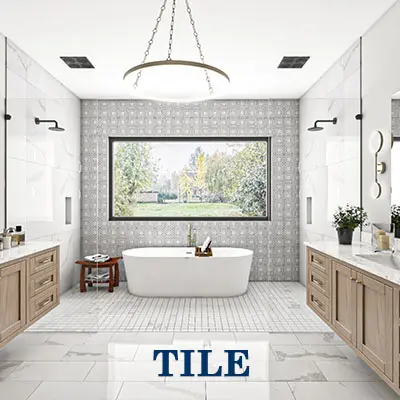
Porcelain tile is ultra-durable, waterproof, and perfect for kitchens, bathrooms, or entryways that see heavy traffic. Ceramic tile keeps feet cool in extreme heat and is resistant to stains, scratches, and moisture. Both tiles are perfect for desert environments.
Some finishes simulate stone or wood but with easy maintenance. There are matte, polished, and textured options to minimize slip. Professional installation is recommended for even grout lines and longevity, especially where large-format tile or heated floors are installed.
2. Natural Stone
Natural stone provides distinctive textures and a classic appearance that complements upscale Scottsdale real estate. Used in flooring, travertine, slate, or limestone all offer excellent thermal mass, which means interiors remain cool on hot days and temperate year-round.
Stone must be sealed on an ongoing basis to protect it from stains and moisture. Different stones have different maintenance schedules and sealing agents. It is best used in entryways, formal living areas, or outdoor-to-indoor transitions where the organic personality is a style highlight.
3. Luxury Vinyl Plank
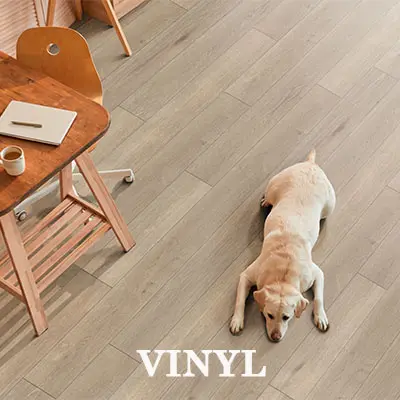
Luxury vinyl plank (LVP), including SPC options, provides true-to-life wood or stone visuals while offering excellent scratch resistance and waterproof protection. SPC is more heat resistant than vinyl and less likely to warp in sunlight, so it is the preferred option for rooms with big windows.
LVP is often more cost effective than hardwood or stone and easy to clean, so it’s a very family- and pet-friendly option. Select items with a strong wear layer and try samples for colorfastness in a sunroom.
4. Engineered Hardwood
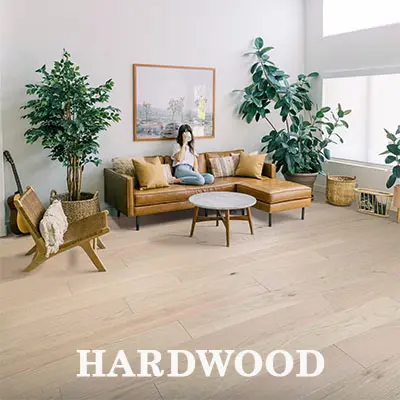
Engineered hardwood has a real wood veneer over a stable core that deals with dry, arid climates better than solid wood. It feels that much more genuine with its warmth and array of wood tones for high-end spaces.
Opt for engineered hardwood in living rooms and bedrooms where visual warmth is key and choose a hard urethane finish for extra scratch and stain resistance. Don’t put it in wet areas unless the product is waterproof.
5. Concrete
Polished or stained concrete scores with heat and heavy soil, and can be finished in a variety of textures and colors for a modern aesthetic. It’s low maintenance once sealed and pulls double duty for modern living rooms and basements.
Proper installation, control joints, and sealing are key to controlling cracking, dusting, and moisture problems. Concrete works well in combination with area rugs for warmth and sound dampening.
|
Flooring |
Pros |
Cons |
|---|---|---|
|
Porcelain/Ceramic |
Cool, durable, waterproof |
Hard surface, grout upkeep |
|
Natural Stone |
Luxurious, thermally stable |
Needs sealing, higher cost |
|
LVP/SPC |
Affordable, waterproof, durable |
Sun exposure can affect some types |
|
Engineered Hardwood |
Real wood look, stable |
Not for very wet areas |
|
Concrete |
Durable, customizable |
Cold, requires sealing |
Flooring To Reconsider
Scottsdale homes endure a desert climate of intense heat, dry air and powerful sun rays. A few typical floor materials have a hard time with them, suffering from warping, fast wear and increased lifetime expense. Here’s a transparent peek at what tend to be the trouble options, why they are and what to rethink instead.
-
Solid hardwood is susceptible to swelling, shrinking, and cupping as a result of fluctuating indoor moisture levels. Long-term care involves sanding and refinishing. It is costly to lay and less than perfect by doorways where dust and grit enhance the abrasion.
-
Wall-to-wall carpeting captures dust, pet hair, and all that fine sand from hooves and shoes. It needs to be deep cleaned regularly in order to keep the air clean and look good. Staining and odor retention are typical in homes with pets or spills.
-
Unfinished or soft natural stone — Softer stones scratch or etch under heavy use and need to be sealed on a regular basis. Light colors display heat-related discoloration and intense sun can fade finishes with time.
-
Cheap vinyl or thin laminates may delaminate or seam-curl when exposed to heat for extended periods. Less expensive goods might not be water-resistant and could crumble in wet areas such as bathrooms or laundry rooms.
-
Incompatible underlayments — Bad underlay can hold heat, shorten the life of floating floors, and not cooperate with radiant heating systems, resulting in buckling or cold spots.
Think over life cycle costs and hassle prior to selecting any of these. Constant fixes, heavy cleanings and premature replacement cost you both time and money. To reconsider flooring. Most Scottsdale homes — and yours included — love floors that stand up to scratches, withstand temperature fluctuations and require less hands-on maintenance.
Solid Hardwood
Solid hardwood responds to desert dryness. Because it is natural, it will suffer if the indoor humidity drops in summer and increases during infrequent wet periods. It may warp, crack, or cup.
Installation is expensive, and maintaining the finish is continuous. Sanding and refinishing every few years increases the costs. Engineered hardwood is more stable since its multi-ply core resists temperature-induced expansion. It has the appearance of real wood but maintains better.
Reserve solid hardwood for rooms that remain climate-controlled and low on dust, such as formal living rooms or offices, not entryways or kitchens.
Wall-to-Wall Carpet
Wall-to-wall carpet traps dust and allergens prevalent in dry, dusty climates. Grit on shoes eats away fibers and wears carpets out sooner. It’s more difficult to clean in high traffic areas.
Routine vacuuming won’t cut it. Expect deep steam cleaning every once in a while and earlier replacement than hard floors. Try plush carpets or area rugs in bedrooms or in low-traffic areas to receive softness without whole-house cons.
Select stain-resistant, washable rugs and opt for laminate or engineered wood in main living spaces for simpler maintenance and extended durability.
Beyond The Material
Selecting flooring is more than selecting wood, tile, or vinyl. Good underlayment, meticulous installation, and a suitable finish determine how a floor appears, how durable it is, and how it feels in a dry, warm place like Scottsdale. Think about how floors connect to everyday life, room temperature, light from big windows, and a home’s style when planning a project.
Underlayment
Choose underlayment to fit the flooring and subfloor. Cement backer board fits tile over concrete. Foam or cork fits floating laminate or engineered wood over plywood. The proper underlayment provides this cushion and reduces echo. Some have vapor barriers to prevent moisture.
Quality underlayment makes floors feel luxurious underfoot and reduces sound transmission between floors. In hot, dry climates, pick materials that don’t trap heat or off-gas with high temperatures. Layer options can assist floors in feeling cooler. Stone and tile over a quality subfloor and thin-set tend to feel naturally cool to the touch.
Prep your subfloor prior to installing underlayment. Clean with the debris, make sure it’s level and fix any loose or soft spots before you install your floors to avoid sloping floors down the road. Foundation settling can manifest as separation or uneven seams, so it’s best to treat structural issues first.
Check with a flooring contractor to connect underlayment to each specific room. Bathrooms call for moisture protection, living rooms may prefer sound control, and kitchens need durability.
Installation
Hire installers for precision. Experienced crews take precise measurements, design the layout to reduce waste, and stagger boards or tiles so that seams occur in less conspicuous areas. The right choice of glue, nails, or floating joins has a direct impact on how a floor performs over time.
True layout planning minimizes cutting mistakes and holds patterns steady, which counts in huge-windowed rooms where light accentuates seams. A one-day install window is possible for certain floorings and minimizes household disruption. Other projects, such as full tile with cured grout, take longer.
Verify installers’ credentials, request photos from previous projects, and read reviews to ensure they deliver quality work within deadlines. Installation crews take care of acclimation, letting materials settle in the house prior to installation, which stops buckling and gaps down the line.
Account for installer expertise in your project budget. Good craftsmanship safeguards your investment in materials.
Finish
Select finishes for toughness, stain resistance and easy care. Hard urethane or textured finishes resist scratches and soil, a bonus for homes with pets and kids. Finishes set the look: matte for subtlety, semi-gloss for sheen, or stone-like textures for natural appeal.
Daily upkeep keeps looking good. Some floors require occasional rewind or resealing. Finishes impact both the reflectiveness of the light and the color shifts throughout the day, so test samples close to windows.
Lifestyle Considerations
Scottsdale homes demand flooring options that accommodate lifestyle, comfort and our local climate. Think about how people live today and how that may evolve. Match materials to usage patterns, summer heat and long term wear.
Family
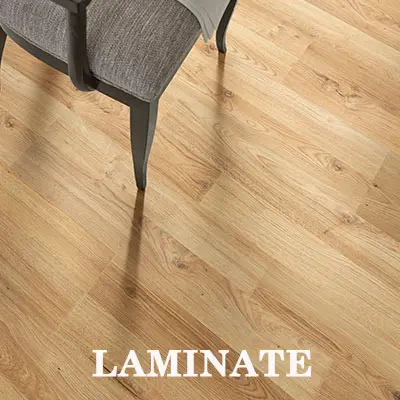
No time? Active families love our low-maintenance, hard-wearing floors. Luxury vinyl plank, ceramic or porcelain tile, and quality laminate withstand drops, spills, and non-stop foot traffic and stay cool during the hot months.
Engineered wood provides the appearance of hardwood but with more durability to Arizona’s dry air. Skip solid hardwood in the low desert where low humidity can cause boards to shrink or warp.
Bedrooms and playrooms are made cozy by plush surfaces. Place carpet or thick area rugs where your children play or nap to absorb the impact of a fall and muffle sound, selecting stain-resistant fibers and rugs with non-slip pads.
Kitchens and bathrooms require water- and stain-resistant floors, and tile or waterproof LVP allows for quick cleanup after meals, arts and crafts, or bath time. For heavy-traffic areas, focus on finishes that resist scuffs and can be refinished or swapped out in worn parts.
Pets
Lifestyle considerations If you have pets, they mix things up in some basic — and important — ways. Scratch-resistant, waterproof alternatives like stone plastic composite, or SPC, flooring, porcelain tile, and luxury vinyl plank are pragmatic.
SPC handles heat better than certain styles of vinyl and won’t buckle in sun-soaked spaces. Stay away from thick-pile carpets and soft woods that hide odors or display claw marks in a hurry.
Pet mats and spill trays under bowls can save your edges and finish. Simple cleaning and a hard finish prevent hair, stains and little oopsies from turning into permanent nightmares.
Consider pet-friendly sealers on wood or tile grout treatments that resist staining and smells!

Entertaining
Entertaining demands floors that appear polished and withstand crowds. Beautiful tile and engineered hardwood provide a wonderful mix of aesthetics and durability, while trendy large-format porcelain can make a modernly sleek and seamless statement.
Try to make transitions between indoor and outdoor patios as smooth as possible for ease of flow. Use similar or complementary materials outside so thresholds don’t snag shoes or rugs.
Opt for stain-resistant, easy-to-clean surfaces in dining and living spaces to control spills at parties. Select wood tones or tile patterns that create a hospitable feel and camouflage light damage.
Mid-tone stains and textured tiles conceal scuffs more effectively than their high-gloss counterparts.
Aesthetic & Value
Flooring provides the foundation for a house’s style and lasting value. It grounds rooms, unifies color palettes and says ‘attention’ to potential purchasers. In Scottsdale, where light, texture and indoor-outdoor living are everything, selecting materials to balance aesthetics with durability makes a measurable difference on interiors and resale.
Indoor-Outdoor Flow
Large-format porcelain tile and natural stone do an excellent job of bridging interior rooms and patios. Use like tone and scale in and out so sight lines are seamless. For example, a 60 by 60 tile inside with slightly textured stone pavers outside combine to form a tranquil, unified plane.
Slip-resistant finishes at thresholds are vital. Opt for honed or matte surfaces around entrances and incorporate slim drain channels or textured transition strips to capture rain runoff. For covered patios, go with rectified-edge tiles for thin grout lines just like the interior.
Where warmth is desired, installing the same color palette in LVP indoors with a corresponding outdoor composite deck color can maintain visual flow while providing a softer underfoot feel.
Resale Appeal
Scottsdale buyers are definitely into tough, easy-to-maintain floors. Luxury vinyl plank and porcelain tile are perceived as upgrades when used alongside neutral palettes of warm greys, soft beiges, and toned down woods that work with just about any style.
Classic layouts, such as straight plank and large tiles in a staggered grid, read as modern without being trendy. Stay away from loud patterns, shag carpet, or pretentious, high-maintenance exotic woods that will limit the buyer pool.
When updating, document the install with crisp photos and mention features in listings: material type, warranty length, and maintenance needs. Realtors love to boast new floors in marketing copy and staging because they increase move-in readiness.
Modern Trends
Wide-plank boards, textured surfaces that mask wear, and natural wood tones continue to be sought after for their classic appearance. Sustainable options, reclaimed wood, cork with low-VOC sealants, and SPC core LVP made with recycled content, are getting traction with eco-conscious consumers.
Radiant floor heating beneath tile or engineered wood infuses extra comfort and a luxury vibe, especially in bathrooms and open-plan living areas. Waterproof floors keep kitchens and entryways functional and attractive.
Mix patterns sparingly: a herringbone entry that flows into straight planks can add interest without overwhelming the home’s aesthetic.
Checklist — Factors that boost both look and value:
-
Durability and low maintenance
-
Neutral, flexible color palette
-
Cohesive indoor-outdoor surfaces
-
Slip resistance at access points
-
Sustainable, low-emission materials
-
Documented warranties and professional install
Conclusion
Scottsdale homes require floors that remain cool to the touch, stand the test of time, and complement the desert light. Porcelain tile and luxury vinyl are suitable for heat and low moisture. Engineered wood brings warm grain to living rooms and halls. Natural stone is fabulous for patios and entryways but requires sealing and maintenance. Avoid solid hardwood in a sun-drenched room and wall-to-wall carpet in a hot, dry room.
Select a floor that suits your lifestyle. If pets and kids cavort, select scratch-proof, water-safe varieties such as vinyl or tile. If you desire coziness, go with engineered wood in shaded rooms and save the rugs for comfort. Choose a finish and color that matches local light for less glare and less clean-up.
Consider prices, warranties, and maintenance. Chat with a local expert for samples and a trial run. Are you ready to choose a floor? Ask for samples and a site estimate to determine how each option will look in your Scottsdale residence.
Frequently Asked Questions
What flooring holds up best in Scottsdale’s hot, dry climate?
Porcelain tile and LVP perform best. They withstand heat, low humidity, and sun. Both are tough, easy to care for, and stable with temperature swings.
Is hardwood a good choice for Scottsdale homes?
Solid hardwood is prone to expanding and shrinking in low humidity. Engineered hardwood is a superior choice. It provides wood looks with enhanced stability in dry environments.
How should I handle sun-exposed rooms to protect flooring?
Opt for UV-resistant options such as porcelain, LVP, or UV-stable finishes. Install window films, UV-blocking treatments, or shades to minimize fading and heat buildup.
Are carpets advisable in Scottsdale?
Carpet is fine in bedrooms or light-traffic areas for coziness. Wall-to-wall carpet belongs nowhere near a high-heat or high-dust location. Select low-pile, stain-resistant varieties for simpler maintenance.
What flooring is best for homes with pets and kids?
Luxury vinyl plank and porcelain tile are winners. They resist scratches, moisture, and stains. They clean up easily and stay cool underfoot during hot weather.
How does flooring impact home value in Scottsdale?
Lasting, easy-care flooring such as tile or engineered hardwood increases resale value. Buyers anticipate materials that withstand the desert climate, enhancing perceived value.
How should I maintain flooring in a desert environment?
Manage indoor humidity with HVAC and dehumidifiers. Sweep or vacuum frequently to eliminate sand and grit. Clean with suggested cleaners and safeguard high traffic areas with rugs or mats.