
Key Takeaways
-
Walk into local showrooms and compare large samples of tile, wood, vinyl, laminate, and carpet so you can align style, durability, and upkeep requirements with each room.
-
Opt for Arizona climate-built materials that are waterproof, UV-resistant, and moisture-tolerant for entryways, kitchens, and sun-splashed rooms.
-
Make sure to work with local expert staff to compare product quality, installation techniques, warranties and value before you commit.
-
Design installations with a firm checklist for delivery, preparation, flexible date scheduling, on-site communication, and post-installation clean-up.
-
Balance budget and lifetime value. Weigh upfront costs, installation and maintenance fees, and any promotions or financing.
-
Think green to help your indoor air quality and to support sustainable local suppliers.
Flooring store Tempe Arizona is a neighborhood retailer dealing in the sale and installation of floor coverings for residential and commercial spaces.
Our store carries tile, hardwood, vinyl, laminate, and carpet with measured pricing per square meter and warranty options. Employees provide on-site measuring, sample loans, and installation scheduling.
Customers love the store for local stock, climate-suited products, and next-day metro delivery. Body details selection, price, and buying advice.
Flooring Choices
Flooring decisions impact comfort, upkeep, and resale value. In Tempe’s warm, dry climate, cool, moisture-resistant, and sun-tolerant materials are practical. Here’s a quick list of common choices, then notes and guidance you can bring when visiting showrooms or planning a project.
-
Ceramic and porcelain tile
-
Natural stone (e.g., travertine, slate)
-
Solid hardwood (oak, maple, hickory, walnut, Brazilian cherry)
-
Engineered hardwood
-
Luxury vinyl plank (LVP) and SPC vinyl
-
Laminate flooring
-
Carpet (various fibers and constructions)
-
Waterproof vinyl and specialty resilient flooring
1. Tile & Stone
Tile and stone are great in kitchens, bathrooms, and hot climates as they are cool to the touch. Ceramic and porcelain are both heat resistant and low maintenance, with porcelain being denser and usually a better choice for high-traffic areas.
Natural stone such as travertine or slate provides distinct veining but requires sealers and regular maintenance to prevent staining. Grout selection and sealant are important. Epoxy grout minimizes staining and mildew in wet areas.
Installers usually provide backer board and waterproof membranes for wet rooms. Request showroom staff to display big slabs and edge profiles for matching transitions and thresholds.
2. Hardwood & Engineered Wood
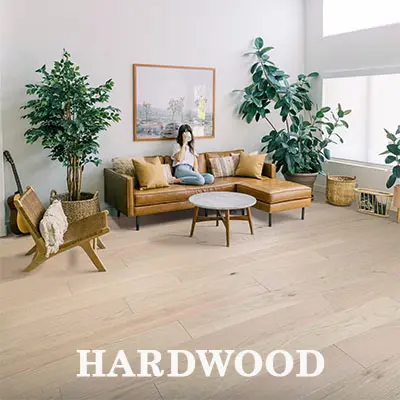
Hardwood provides enduring value and a timeless aesthetic. There are species that vary from oak and maple to walnut and exotic Brazilian cherry, each possessing distinct hardness and grain.
Solid hardwood can react to humidity, so engineered hardwood is a little more stable in varied moisture and works well for many Tempe homes. Compare the widths of the planks, the finishes (oil, matte, gloss), and the wear layer thickness for refinishing potential.
Professional installation usually requires specialized underlayment and moisture barriers. Review warranty and insured installation options to minimize risk.
3. Luxury Vinyl Plank
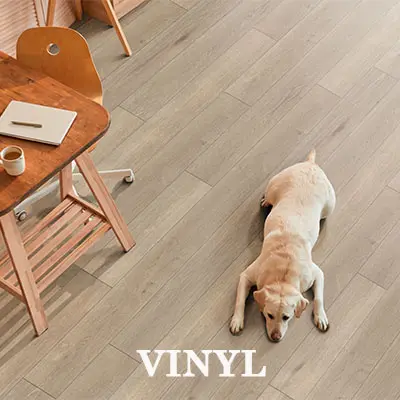
Luxury vinyl plank provides authentic wood or stone visuals with waterproof cores. SPC (stone plastic composite) is more heat resistant than older vinyl, resisting warping in sunlight and high temperatures.
LVP is a favorite among hectic households and commercial spaces alike, due to its swift installation and convenient cleaning. Just about every store has same or next day pick-up and quick installation.
Request indoor-outdoor samples and compare wear-layer guarantees.
4. Laminate
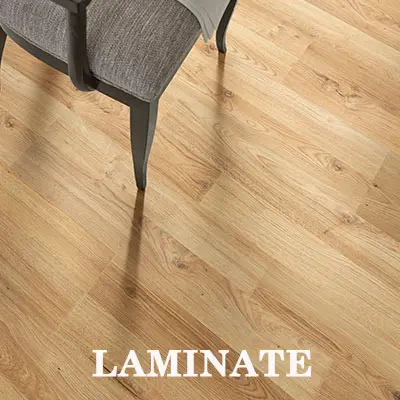
Laminate reproduces hardwood or tile at a much lower cost. New-age laminates feature better textures and click-lock systems for DIY installation.
They can swell if water is introduced, so opt for water-resistant varieties close to kitchens. Laminate is perfect for budget jobs and fast turnarounds.
Call for current stock availability for same-day installs. Compare AC ratings for durability and inquire with staff about recommended underlayment.
5. Carpet
Carpet warms bedrooms and lounges. You can select cut or loop pile and even blends that are resistant to staining or allergens.
There are pet-friendly and hypoallergenic treatments too. Book in-home sample viewings to see color in your light and book an estimate.
Carpet realtor partnerships and referral programs can help recoup costs.
Why Shop Local
When you select a local flooring store in Tempe, you are backing small business owners who pour back into the community and generate employment. Dollars that you put into your neighborhood stores have a way of staying local, supporting other local services and suppliers. That ripple effect can translate into more jobs in retail, installation, and warehousing.
It assists local companies to grow their service capabilities, like same-day delivery or in-home measuring, as the demand and income stays local. Local flooring teams provide personal, customized service that chain stores seldom equal. Staff in Tempe showrooms have decades of experience with materials appropriate for Arizona homes, such as heat-resistant laminates, UV-stable vinyl, and tile that endures dust and grit.
They can highlight real world trade-offs, like thicker underlayment for noise in townhomes or textured finishes for shaded patios. This insider knowledge eliminates expensive errors, such as selecting an item that bleaches or curls in the local sunlight intensity. When you visit a local showroom, you get instant access to samples and actual displays.
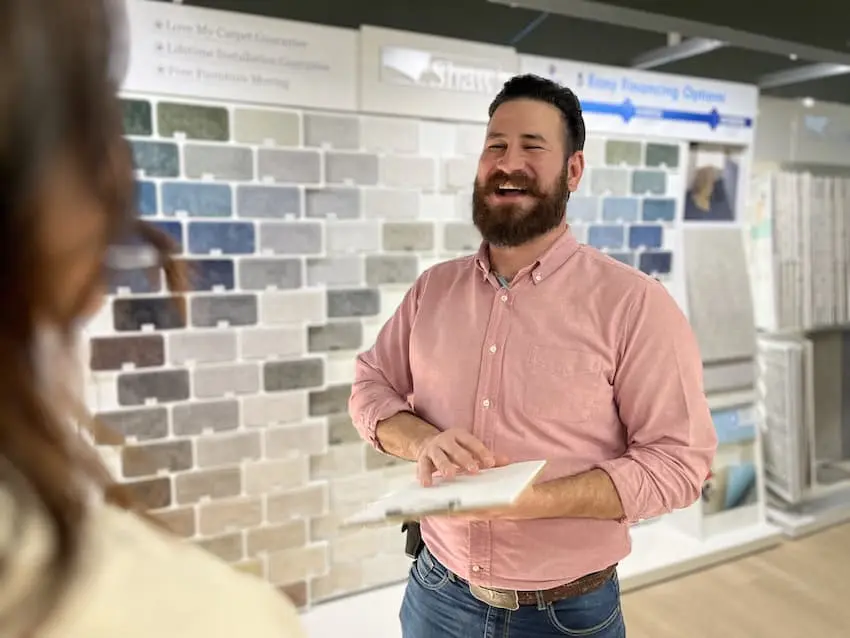
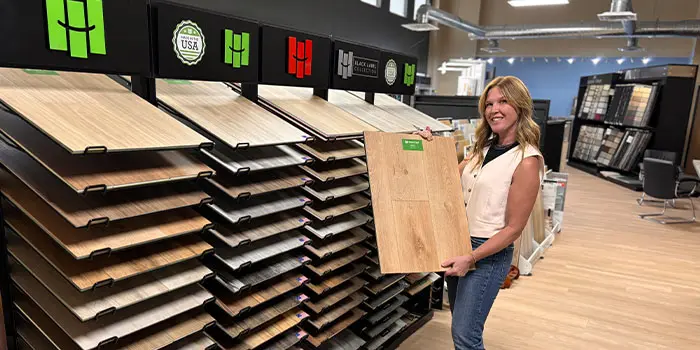
You get to see full planks, touch textures and test grout colors in real lighting instead of photos on the web. Local stores typically maintain sample kits you can borrow or bring home, so choices are made according to how materials appear in your real space. Most provide measurement services, in-home consultations and mock-ups that illustrate how selections will read across an entire room, not just one tile.
Local buying usually equals more personalized, customized answers. Installers affiliated with local shops can shift schedules, match aged materials for repairs, or custom-cut odd sizes for narrow staircases. Businesses invested in Tempe have a long-term investment in quality work because their reputation depends on repeat customers and referrals.
That translates into more hands-on project management, more transparent warranties, and more rapid reactions if something goes wrong post-installation. Robust customer relationships come as a consequence of shopping local. Owners and staff recall returning customers, maintain records of previous work, and suggest upkeep tailored to Arizona’s conditions.
These connections foster trust and community, where a solid recommendation can mean something. Local sourcing, in addition to being a local economic boost, can shorten shipping distances, reducing both transport emissions and lead times. When materials come from local providers, projects begin earlier and put less green stress on the planet than distant imports.
No matter where you live, selecting a reputable local flooring store connects you to people who understand the industry, support their craft, and contribute to keeping the local economy flourishing.
Installation Process
An obvious installation schedule establishes expectations and maintains momentum on the work. It starts with a checklist that outlines every step from measurement to cleanup. The steps include site measurement, material ordering and delivery, subfloor inspection and repair, wood acclimation, layout and first-row alignment, full installation, finishing and grout work, and final walk-through.
Note time estimates beside each item. Many residential installations finish in one to three days. Next-day installation is possible for select products, and wood acclimation should be planned for at least one week. Then use the checklist to verify who is doing what and what permits are required.
Please schedule convenient installation times to minimize inconvenience. Provide morning, afternoon, or weekend windows and a definite start date. For companies, pick after hours to minimize downtime. For residences, select times when residents can avoid dust and noise.
Discuss anticipated daily hours and overnights. Take care of animals and fragile devices. If delivery has to wait for acclimation, establish a staging area that maintains materials inside at room conditions. Next-day install options are optimal when materials are stocked and the subfloor does not require significant repair.
In-depth project planning includes logistics, site preparation, and clean-up. Schedule material delivery for just before work begins unless wood is being acclimated for a week. Inspect and prepare the subfloor: fix cracks, level bumps, and ensure moisture readings meet product specs.
For tile, verify underlayment requirements. For laminate, verify manufacturer restrictions like use in second-floor HOA units. Add wash stations and debris drop zones and final scrub downs. Plan a mid-project check to ensure the first row is level. That line determines the entire layout and scale of the room.
Follow the progress and communicate directly with installers to control quality. Have a point person who tracks daily milestones against the checklist and raises issues immediately. Take photos before, during, and after.
Verify installers adhere to local city codes and obtain required permits. Licensed contractors may submit for you and coordinate inspections. After installation, advise 24 to 48 hours before heavy foot traffic so finishes can cure properly and provide the care needed during that first week.
Conduct a walk-through and final review for alignment, edge trims, thresholds, and any touch-ups.
Climate Considerations
Arizona’s climate is diverse and these variations should influence flooring selections for residences and commercial buildings throughout Tempe and the Phoenix metro area. Low desert areas are hot and dry with summer daytime highs up to 118 °F (48 °C) and surrounding mountain counties experience cool temperatures and snow. This range means that no one product is right for the entire state.
Choose materials that suit your local heat, humidity, UV, and seasonal moisture. Select flooring that can handle Arizona’s heat, dryness and temperature extremes. In arid regions, a cool underfoot material impacts comfort and energy consumption.
Ceramic and porcelain tile are good choices because they don’t retain too much heat and they withstand wide temperature changes without bending. Natural stone works but requires sealing and very careful installation to prevent cracking. If you live in an area with intense daytime heat and mild nights (Maricopa, Pinal, and Yuma counties), choose floors that don’t expand and contract much.
Engineered hardwood with a stable core can go where you want a wood look, so long as it’s rated for the temperature swings. Choose waterproof and moisture-resistant products in bathrooms, kitchens and entryways. Even in dry regions, there’s indoor humidity and messes that need water-resistant flooring.
While traditional rigid LVP is water resistant, any vinyl can warp in extreme heat, especially in direct sun. SPC (stone plastic composite) is a more heat-resistant vinyl option that maintains form better under intense temperatures. For snow-clad mountain regions—such as Coconino and Apache counties—opt for flooring that deals with melt water and freeze-thaws.
Tile and properly finished engineered wood are superior to solid hardwood in these situations. If you’re designing rooms that catch the sun, account for UV resistance and colorfastness. Harsh Tempe sun can bleach out plush carpets and shift color.
Porcelain and ceramic glazes resist fading, and UV-stable finishes on engineered wood preserve tone. If sunlight beats down hard through big windows or glass walls, think about window treatments or UV-protective coatings at install to minimize deterioration.
Consult with industry experts on the best flooring for long-term durability in the Phoenix metro area. A local flooring store can evaluate your microclimate, room orientation, and building envelope.
Ask about installation methods that allow for thermal movement, recommended underlayments for insulation and moisture control, and warranty terms that specify temperature or UV limits. Field examples include choosing tile with a slip-resistant surface near pools, using SPC in sun-exposed entryways, and installing engineered wood with acclimation in homes with varied day and night swings.
Budgeting & Value
Little trade-offs elsewhere. In Tempe, budgeting for flooring begins with upfront cost, installation fees, and long-term value. Here’s a rough comparison that outlines common options, typical installation costs, and expected lifetime value to guide decisions.
-
Laminate flooring: Low material price, often the cheapest option per square metre, and can mimic hardwood or tile. Installation is usually quick since a lot of the products snap together, reducing labor charges. Lifetime value: Medium — laminate holds up well, but can swell with moisture, so it lasts 10 to 20 years depending on quality. Seasonal sales and discounts up to around 65 percent off can make premium looking laminates very affordable.
-
Vinyl plank flooring has a mid to low material price with strong durability and water resistance. Installation is fairly fast, particularly with floating or glue-down systems, which reduces labor fees. The lifetime value is nice, as many of them last 15 to 25 years with minimal maintenance. Vinyl tends to come out on top for those homes where price and durability have to coexist.
-
Engineered hardwood has a higher material price and higher installation fees because of more complex fitting and possible sanding or finishing. Lifetime value is more than laminate or vinyl. Engineered floors can be refinished once or twice, depending on veneer thickness, providing 20 to 30 years of useful life. Seasonal specials and targeted promotions can lower the price.
-
Solid hardwood: Highest material and installation cost including acclimation, nail-down fitting, and multiple finishes. The lifetime value is impressive, easily lasting over 50 years with maintenance and refinishing, which is why buyers and agents love it. Anticipate a greater resale effect but a bigger initial commitment.
-
Tile (ceramic/porcelain): Mid to high material costs and moderate to high installation fees due to grout and substrate prep. High lifetime value for moisture-prone locations, typically lasting 10 or more years. Porcelain usually carries a higher price tag but provides better wear.
Utilize Tempe store deals and financing to reduce budget tension. A lot of stores have seasonal sales that lower prices while stock is still abundant. Others provide promotional financing such as 12-month or 48-month plans to stage payments. Seek free in-home consultations so you know the exact measurements and labor estimates before going forward.

Budgeting & Value: Balance initial spend versus long term savings by considering maintenance and replacement cycles. Kids may slug on cheaper floors and save you now, but you are replacing them sooner. Making durable choices reduces future expenses. Inquire about warranties and reasonable life expectancies from the seller.
Focus on items that boost home value and are attractive to buyers and agents. Engineered or solid hardwood typically contributes to resale pull. Premium vinyl or tile can provide comparable curb appeal at a significantly reduced expense.
Shop around, shop sales, finance if necessary, and consider those speedy-install services that reduce labor charges.
Eco-Friendly Focus
Eco-friendly flooring options are important for indoor air quality, your long term costs, and the environment as a whole. The proper floor can reduce VOC emissions, garner green building credits, and reduce waste all in the long run. Here are sustainability-driven choices and habits from the floor of a flooring store in Tempe, Arizona, with examples and hands-on tips for readers worldwide.
-
Bamboo flooring is fast-growing and renewable. It is available in solid and engineered forms. Opt for strand-woven for even more durability.
-
Reclaimed wood is salvaged timber from old buildings or beams. It provides distinctive personality and keeps material from going to the landfill.
-
Cork is harvested from cork oak bark without cutting the tree. It is naturally resistant and adds thermal and acoustic advantages.
-
Linoleum (natural): made from linseed oil, wood flour, and cork dust. It is biodegradable and low VOC when finished with water-based sealers.
-
Recycled-content vinyl contains post-consumer or post-industrial plastics. Seek high recycled content and FloorScore certification.
-
Polished concrete uses existing slabs, reduces the need for new materials, and can be sealed with low-VOC products.
-
Wool carpet with low-VOC backing is a natural fiber option that can be durable and biodegradable if the backing is eco-conscious.
Installation materials, cleaners and sealers all impact sustainability. Utilize low-VOC glue and underlay or opt for click-locks with no glue necessary. Choose water-based sealants instead of solvent-based for moisture barriers and seams. Cleaners must be pH-neutral and biodegradable.
Acidic or solvent cleaners harm finishes and emit toxic fumes. For concrete or wood, use water-based penetrating sealers with FloorScore or comparable indoor-air-quality labels to restrict emissions.
Back stores and makers that display supply-chain transparency, utilize certified forestry or reclaimed sources, and have take-back or recycling programs. Seek out products that are able to earn LEED credits, like recycled content, regional materials, or low-emitting materials.
FloorScore is a useful floor label to confirm low-emission flooring. For manufacturers with third-party audits, EPDs or chain-of-custody certification provide more transparent proof of green assertions.
Eco choices make indoor air fresher and less harmful to the earth in little and big ways. Low-VOC products assist occupants who have allergies or chemical sensitivities. Long-lasting floors such as strand-woven bamboo or reclaimed hardwood minimize replacement and landfill waste.
Smart decisions can help a home’s environmental performance and its community’s sustainability.
Conclusion
Tempe shoppers discover lots of solid choices right in their own backyard. Local stores carry tile, wood, vinyl, and carpet that suit dry heat and high sun. Install teams work quickly and demonstrate specific stages. Choosing hardy planks or glazed tile reduces repairs and saves money in the long run. Eco-friendly options such as reclaimed wood and low-VOC glue reduce home impact while fitting the current look.
Try to find stores with in-home samples, free estimates and clear warranties. Inquire about sunfade tests and moisture barriers. Bring room photos and a ballpark budget to expedite discussions. Go to two or three stores to get an idea of fit, feel and price.
Schedule a sample drop or get a quote from a Tempe store now.
Frequently Asked Questions
What flooring types work best for homes in Tempe, Arizona?
Hard surfaces such as tile, stone, and luxury vinyl are the best performers. They will take the heat and dry air. Engineered wood thrives in regulated indoors. These choices minimize warping and keep cooling expenses lower.
Do local flooring stores in Tempe offer free in-home estimates?
Lots of local stores offer free in-home or virtual estimates. They take measurements, check your subfloor and floor plan. Inquire prior to booking to ensure availability and any traveling fees.
How long does professional installation typically take?
Little rooms you can do in a day. Whole-house projects often take a few days to a week. The timeline is based on the number of rooms, preparation work, and type of materials. Your installer should provide a definitive schedule.
How does Tempe’s climate affect flooring choice?
Hot, dry weather will dry and shrink natural wood. Select moisture-stable materials and adequate acclimation. Cool surfaces such as tile contribute to lowering indoor temperature and energy consumption.
What should I budget for new flooring in Tempe?
Expect wide ranges. Economy vinyl is the lowest. Tile and engineered wood are mid-range. High-end natural stone or hardwood costs more. Text includes materials, underlayment, removal, and installation. Grab three quotes to compare.
Are there eco-friendly flooring options available locally?
Yes. Seek out recycled-content vinyl, rapidly renewable bamboo, FSC-certified wood, and low-VOC finishes. Local stores sometimes stock greener lines and can offer product certifications.
How do I verify a flooring store’s credibility in Tempe?
Look into online reviews, trade associations, product guarantees, and installer certifications. Request local references and samples of completed work. Good stores provide clear contracts and timelines.