
Key Takeaways
-
Coordinate flooring with casita design and purpose by considering floor plans and expected usage to ensure wear resistance and simple upkeep.
-
Opt for moisture-resistant or waterproof options such as luxury vinyl, tile, or engineered alternatives when it comes to bathrooms, kitchens, and poolside guest houses to prevent water damage.
-
Consider climate and foundation type in your material selection by accommodating humidity, thermal expansion, and subfloor moisture control to maintain performance.
-
Weigh cost, installation difficulty, and maintenance over time against each other. Compare initial investment and upkeep. Always lean towards low-maintenance for rental or high-use units.
-
Go for cork, bamboo, or reclaimed wood if that’s important to you and you care about sustainability and air quality indoors. Check for low VOC certifications and responsible sourcing.
-
Flooring for casitas and guest houses Use flooring to make spaces thermally and acoustically comfortable and feel larger by incorporating insulation or radiant heat, sound-muffling underlayments, and colors or patterns that expand small footprints.
Flooring choices for casitas and guest houses are the range of floor materials suited to small, often separate living spaces. Popular choices are hard wearing tile, waterproof vinyl, finished hardwood and low pile carpeting.
It really depends on the climate, foot traffic, maintenance and your budget. Making thermal performance and acoustic dampening an added priority for your guests is important.
The meat of the post covers the pros, cons, costs and installation tips for each material.
Key Considerations
Select flooring with the casita’s layout and purpose in mind. Size limits for most guest houses are around 37 to 65 square meters (400 to 700 square feet) so every square counts. If it’s an open plan, continuous flooring can expand the space.
For multi-room plans, match material to function, durable underfoot in entryways and kitchens and softer in sleeping areas. Heavy materials like stone or ceramic tile can necessitate reinforced framing on a second floor. Confirm structural capacity prior to specifying.
Early decisions influence electrical and structural scope, so coordinate floor choices with engineers and permitting to prevent retrofits.
Usage Patterns
Identify the primary role: pool house, rental, office, or temporary housing, and pick flooring that supports that use. A pool-adjacent casita requires slip-resistant, waterproof surfaces, while a short-term rental thrives on scratch- and stain-resistant planks that clean up quickly.
Consider flexible living and aging-in-place: choose low-threshold transitions, smooth surfaces for wheelchairs, and wide-plank options that reduce seams. Match durability to occupancy: light residential wear differs from frequent guest turnover.
Map out cleaning schedules. Porcelain tile and luxury vinyl can be cleaned more easily than raw wood. Include examples: vinyl plank for rentals, engineered oak for owner-occupied guest suites, and porcelain for poolside units.
Climate Impact
Choose materials that tolerate local humidity and temperature swings. In humid coastal areas, don’t use solid hardwood unless it was properly acclimated and installed over an appropriate subfloor. Engineered wood or tile behave better.
Key considerations for cold climates include floors with good thermal conductivity or compatible underfloor heating. Tile transfers heat well, and certain vinyl and engineered floors have low-temperature ratings.
Account for thermal expansion by leaving manufacturer-recommended gaps for wood and vinyl to prevent buckling. For energy efficiency, opt for floors that help indoor comfort. Light-hued tiles reflect heat in hot areas, and thick underlays insulate in cool zones.
Moisture Levels
Water in proximity drives everything you do in terms of materials and detailing. If you’re staying in casitas with baths, kitchens or pool access, make sure the floors are waterproof or water-resistant, such as stone, porcelain tile or waterproof vinyl.
Vapour barriers and appropriate underlayments should be installed over slab foundations to control moisture migration and protect finishes. Do not use solid hardwood in ground-level high moisture areas; instead, use engineered wood.
Plan baseboards and wall finishes to block water at transitions and flash exterior doors. Solid subfloor preparation and detailing minimize repair needs down the road.
Architectural Style
Use flooring to anchor the casita to the main house without duplicating it. Match tones and grain direction for flow between structures. Adjust texture or scale for the smaller footprint.
For contemporary ADUs, wider planks and the least grout lines facilitate a crisp aesthetic. In classic schemes, skinny boards or mosaic tile can reinforce era-specific specifics.
Consider level transitions to keep it from feeling choppy.
What Are Flooring Options?
Flooring establishes the mood and utility of a casita or guest house. Select materials that complement the building’s footprint, anticipated use, and environment. Here are typical types, with notes below on top picks and how they compare in durability, comfort, and maintenance.
-
Luxury vinyl plank and tile (LVP/LVT)
-
Engineered hardwood
-
Polished concrete
-
Ceramic and porcelain tile (large-format, patterned, mosaics)
-
Laminate flooring
-
Bamboo, cork, recycled wood, reclaimed materials
-
Carpet (plush, Berber, frieze)
1. Luxury Vinyl Tile
Luxury vinyl provides waterproof performance and high durability in tiny houses. It lays fast, frequently as floating floors, which accelerates renovation schedules and trims labor expense. LVP and LVT replicate wood grains and stone textures, including herringbone, with minimal maintenance.
Design flexibility fits custom ADU plans. Apply wide planks in living spaces and tile-look vinyl in bathrooms. Scratch and moisture durability rated very high. Comfort is moderate because of thin underlayment without extra padding.
Maintenance is simple: sweep and damp mop. Luxury vinyl is budget-friendly, has an organic aesthetic, and is easy to maintain.
2. Engineered Hardwood
Engineered hardwood provides an upscale appearance with improved moisture resistance compared to solid wood. Its plank sizing and finish options let it echo primary-home hardwood for a unified look. It is ideal in bedrooms and living rooms where warmth and acoustics are important.
Compatibility with underlayments that support sound control in stacked or attached units is a significant advantage. It’s durable, though surface refinishing is limited compared to solid wood. Expect higher initial cost and moderate maintenance, which includes regular cleaning and occasional refinishing where permitted.
Timeless hardwood continues to be an option for those who want something that holds value.
3. Polished Concrete
Polished concrete is a low-maintenance, long-lasting option for sleek, open casitas. It holds up in high-traffic areas like studios or pool houses and wipes down easily. Concrete combines well with radiant heating to enhance thermal comfort and can be dyed or scored for patterning.
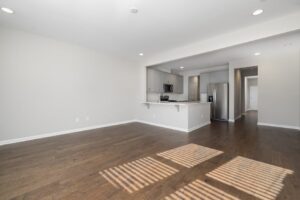
Durability is great, comfort is minimal unless you use rugs or underfloor heating. Join concrete to create uninterrupted flows between indoor and outdoor patios. Its sparse aesthetic complements mixed-substrate fashions with wood or tile highlights.
4. Tile Selections
Tile is ideal for water-prone areas such as bathrooms, kitchens, and entryways. Large-format tiles minimize grout lines and read more contemporary. Patterned or mosaic tiles bring character to petite baths.
Porcelain costs more than ceramic but ranks higher in durability and stain resistance. Tiles coordinate with stucco or tile roofs for unified palettes. Maintenance is low, and grout needs to be sealed here and there. Flooring options promote sustaining and impactful impressions.
5. Laminate Flooring
We laminate for affordable installation and fast refreshes on rentals. Planks provide scratch resistance and simple cleaning, which is ideal for bedrooms and living rooms. Today’s laminates can even replicate herringbone or mixed materials.
Durability is fair to good. Moisture resistance is product-dependent. Laminate is inexpensive and coordinates with most house plans for continuity at a low price.
Eco-Friendly Choices
Choosing sustainable flooring for casitas and guest houses reduces long-term environmental footprint and enhances indoor air quality. Opt for rapidly renewable, recycled, low-VOC, and durable materials that do not have to be replaced as often and complement small, flexible spaces.
Cork
Cork provides both natural insulation and a cushioned feel underfoot, so it’s well suited to guest bedrooms where comfort counts. It’s hypoallergenic as well since cork resists dust, mold, and mites, keeping indoor air healthier.
Use cork in quiet zones or home offices for its acoustic dampening. It beats many hard surfaces by minimizing noise between floors and rooms. Installation is usually easy with floating plank systems or glue down tiles, and you can swap out damaged areas without having to refloor a whole room.
Don’t expect cork to last forever. It will likely endure 10 to 30 years with care, but its durability promotes sustainability through reduced replacement.
Bamboo
Bamboo is a quick-growing grass, harvestable in 3 to 5 years, so it’s a robust selection for homeowners who emphasize quick renewability. It’s available in a few different forms.
Strand-woven bamboo is the most durable and scratch-resistant, ideal for primary living spaces and front doorways given their heavy use. Bamboo marries contemporary style with functional efficiency and can replicate hardwoods, sometimes for less money.
Opt for low-VOC finishes and make sure the bamboo comes from a sustainably harvested source. This sidesteps concerns associated with long-distance extraction and resin-heavy adhesives. In small casita floor plans, bamboo provides a crisp, modern aesthetic even as it weathers everyday life.
Reclaimed Wood
Reclaimed wood offers unique character and cuts down on timber demand, so it’s naturally a sustainable choice for guest houses. Source close to home from demolition, barns, or salvage yards to reduce transportation emissions and promote circular use of materials.
Reclaimed planks provide warmth and texture to contemporary spaces, and their patina frequently allows designers to avoid heavy staining. For custom ADUs or luxury guest houses, reclaimed wood comes across as a premium choice.
It matches well with engineered hardwood in blended applications where stability is required. Engineered hardwood can be eco-friendly in its own right when manufactured with sustainably sourced veneers and wear-resistant core layers, which extend service life and reduce replacements.
-
Plyboo (bamboo): rapid renewability, strand‑woven durability, low-VOC finishes.
-
Wicanders (cork) offers thermal and acoustic benefits, has a long lifespan, and features repairable tiles.
-
Vintage salvage yards (reclaimed wood) offer unique grain, local sourcing, and lower embodied carbon.
-
Porcelain and natural stone tiles are long-lasting, low maintenance, inert, and non-offgassing.
-
Recycled-content carpets and wool rugs offer warmth, recycled backing options, and biodegradable fibers.
Push for recycled and fast-renewable material in new backyard cottages to trim footprint and maintain quality.
Beyond The Floor
It goes beyond the floor. They influence warmth, acoustics, motion, and the flow of rooms. Think about climate, foundation type, and how you’ll use each level before selecting materials. Heavy tile or stone may require additional support on upper floors. Of course, there’s no universal solution for multi-story layouts.
Thermal Comfort
Choose materials that correspond to climate and construction. Tile and concrete, common in cool-climate or slab foundations, retain heat and are ideal surfaces for radiant underfloor heating. Placing electric or hydronic radiant systems under tile floors delivers even warmth and minimizes cold feet.
For hot areas, opt for heat-reflecting materials. Light-colored wood or engineered floors maintain cooler interiors. Employ gentler materials in areas where members anticipate heat. Carpet tiles or cork in bedrooms and small living areas provide insulation, soften falls, and are simple to swap out if soiled or damaged.
Cork resists thermal swings better than certain woods. Consider insulation R-values. Scudding thermal underlay beneath floating floors amplifies overall efficiency. Design by floor. Heavy materials on second floors can necessitate joist reinforcement.
Wood floors across shared spaces and staircases provide a visual connection while maintaining upstairs bedrooms cozier with rugs or carpet tiles.
Acoustic Quality
Noise control counts in guest houses where privacy is anticipated. Select naturally sound absorbing materials like cork or carpet tiles in bedrooms to reduce airborne and impact noise. Hard floors such as engineered wood or tile should be equipped with high quality underlayment to minimize footfall and transfer to rooms below.
Use thick underlayments under laminate or engineered hardwood when your guest house is located over living spaces in the main house to provide some acoustic separation. In multi-bedroom layouts, use a mix: hard floors for circulation and low-pile carpets in rooms for quieter nights.
Keep in mind that guests may be hauling heavy wheeled items that can cause wheel gouges on your wood. Our durable surface treatments and protective routes assist in minimizing damage.
Perceived Space
Light tones and layout trickery make smallish plans seem bigger. Employ sunshiny floors to widen tiny rooms and strengthen sunshine. Install planks or tiles running parallel to the longest wall to create the illusion of a wider room. Diagonal plans widen narrow areas.
Smooth transitions, using the same material or a consistent threshold, make the rooms feel like one continuous space, not disjointed when materials switch together. Reflective or satin finishes will make it feel brighter, so try pairing a glossy tile in a tiny kitchen with matte wood in your living spaces.
Select materials based on how you want each level to function in supporting your everyday life rhythm and balance throughout the house.
Cost and Installation
Flooring decisions impact both the up-front budget and the turn time of a casita or guest house. Below is some guidance about where costs arise, what installation looks like, and tradeoffs between short-term spend and long-term value before exploring the three targeted areas.
Initial Outlay
Material costs are all over the map. Standard peel-and-stick vinyl costs roughly $0.30 to $1.50 per square foot. Ceramic tile usually runs $0.50 to $7.00 per square metre, and top-end porcelain or large-format tiles push upward. Laminate typically runs between $3 to $13 per square foot. Cork begins at $5 to $19 per square foot.
Standard mid-range materials are in the $2 to $7 per square foot range. Installation labor adds another layer: expect $3.00 to $7.00 per square foot for simple installs, while tile can add $4 to $14 or more per square metre when grout, cuts, and layout complexity rise.
Add-ons count. Underlayments, moisture barriers, specialty adhesives, transition strips and baseboards typically add $0.50 to $3.00 per square foot to the invoice. Specialty needs, such as heated floors, soundproofing, or leveling a subfloor, can increase costs considerably. Home-center collections can save 10 to 30 percent over designer lines; matching collection pieces reduce scrap and ease returns.
With financed projects, select flooring that keeps you below loan or renovation caps, with room to spare for prep work.
Installation Effort
DIY-friendly options include peel-and-stick vinyl, click-lock laminate, and some engineered wood panels. These reduce labor expenses and speed up a tiny construction. Tile, glue-down vinyl, and solid hardwood typically require professional expertise, particularly with wonky layouts or wet rooms.
Uneven subfloors necessitate leveling compounds or plywood underlay, which adds time and expense. Prepare for site conditions. New builds with uniform subfloors are quicker to finish than retrofits where demo, moisture mitigation and electrical get in the way.
It takes a day or less to install a small laminate section and a couple of days for tiled bathrooms or large porcelain slabs. Quicker installs minimize disruption and can reduce total overhead on a project where trades bounce around the room.
Long-Term Upkeep
-
Laminate: sweep, damp mop; susceptible to standing water. Lasts 10 to 25 years.
-
Ceramic/porcelain tile: grout maintenance, occasional reseal. Very durable. Lasts 25 years or more.
-
Vinyl (peel-and-stick or LVP) is easy to clean. Seams may lift over time and it lasts 10 to 20 years.
-
Hardwood/engineered: periodic refinishing (solid) or careful cleaning. Sensitive to moisture.
-
Cork requires sealing, can dent, and has good acoustic and thermal properties.
Select tougher materials for rental or high-traffic guest houses. Warranties vary, but most brands provide 10 to 25 years of coverage. Weigh a larger initial investment against less frequent replacement and maintenance.
Regional Nuances
Local regulations, weather and market factors influence flooring decisions for casitas and guest houses. Local zoning and building codes establish size restrictions, setback requirements, permit processing timelines and contractor notification requirements that influence material choice, installation techniques and price. Consider all of these factors so flooring satisfies regulations, withstands regional climates, and suits budget and aesthetics.
Adjust floors to regional zoning and building codes and climate. In regions with hard size caps, certain territories restrict ADUs to 750 m2. Many places cap ADUs at 70 m2 (about 750 sq ft), which can change whether you fit hardwood stair landings or full-height thresholds. California provides reduced or waived permit and impact fees for ADUs under 70 m2, so lower upfront costs can free budget for higher-grade flooring.
Phoenix-area climates require materials that resist heat and thermal expansion. Well-planned solar orientation can reduce cooling loads by 20 to 30%, which lowers interior surface temperatures and shifts the flooring balance toward tile, polished concrete, or engineered wood with stable cores. Coastal or humid regions favor waterproof or water-resistant floors: luxury vinyl plank (LVP), sealed concrete, or ceramic tile. In freeze-thaw climates, pick frost-resistant tiles and adhesives rated for temperature shifts.
Choose regional materials that adhere to local building code and setback rules. San Diego permits single-story ADUs under 4.9 m (16 ft) tall with 0 m side and rear setbacks in many zones, which allows casitas to sit closer to property lines and can restrict thick exterior transitions. Low-profile flooring transitions and flush thresholds perform better.
Where regional standards define detached versus attached ADUs, fire separation, underlayment, and even flame-spread ratings may determine allowable floor coverings. Subcontractors and suppliers have to send a 20-Day Preliminary Notice in California on most ADU jobs, so make sure you specify materials early to avoid procurement delays.
Include local differences in flooring selection and cost in different neighborhoods. Certain parts of the country have robust tile or hardwood supply chains that reduce price and lead time. In more remote or high-demand urban areas, imported hardwood or specialty tile may be weeks delayed. Phoenix-area permit approvals generally take 4 to 8 weeks, so align material lead times with permit timing.
Where lots permit bigger ADUs of up to 112 square meters or even 140 square meters in select zones, the budget can extend to more extensive use of high-end finishes. In smaller casitas, often 37 to 74 square meters, economical hardy floors are frequently required.
Match floors to design styles and development standards of your region. Mediterranean or adobe-type neighborhoods tend to love clay tile or even polished concrete. The new infill areas lean toward engineered wood or large-format porcelain. Match finish, edge details, and maintenance to local expectations and resale norms to keep the ADU functional and market-correct.
Conclusion
Selecting a proper floor for a casita or guest house is about aligning usage, climate, and budget. Hard floors such as tile or sealed concrete fare well in warm, dry locations and sweep up quickly once visitors depart. Waterproof vinyl and engineered wood suit areas with higher moisture and continue to appear stylish. Cork and bamboo insulate noise and bring warmth. Solar-reflective tile and light colors keep interiors cool in sunny areas. Consider installation time, ease of repair, and comfort underfoot for your more mature guests. Mini test areas expose how a selection plays with light and furnishings. Select a hardy, easy-care option to fit everyday use and your climate. Want to filter selections by style or price? I can help.
Frequently Asked Questions
What flooring is best for a guest house that sees occasional use?
Pick hardy flooring like LVP or porcelain tile that is easy to care for. Both are moisture resistant, wear resistant, and clean up easily. They are good-looking and they keep maintenance to a minimum for their infrequent usage.
Is hardwood a good option for a casita?
Engineered hardwood is better than solid hardwood. It manages humidity fluctuations and goes over more subfloors. Solid hardwood can warp in variable climates, so choose engineered for stability and the hardwood appearance.
Which flooring works best for casitas in humid climates?
Porcelain tile, LVP, and sealed concrete are our top picks. They resist moisture, won’t swell, and clean easily. Throw some rugs in the mix for warmth and comfort where necessary.
What are eco-friendly flooring options for guest houses?
Bamboo, cork, recycled-content LVP and reclaimed wood are other sustainable options. Think about low-VOC finishes and local materials.
How should I choose flooring for pet-friendly guest spaces?
Pick scratch- and stain-resistant surfaces: porcelain tile, LVP, or textured laminate. Opt for medium to dark tones or patterned designs to conceal wear. Seal grout and make use of area rugs for additional protection.
What is the typical cost range for installing guest house flooring?
Expect a wide range of options. Budget options like vinyl or basic laminate cost about 15 to 40 EUR per square meter installed. Mid-range tile or LVP costs 40 to 90 EUR per square meter. High-end hardwood or natural stone costs 90 or more EUR per square meter. Local labor impacts cost.
Do regional climate differences change my flooring choice?
Yes. Cold, humid, or coastal areas require water and climate stable surfaces, such as tile or engineered wood. Hot, dry climates give you more flexibility, but you should focus on durability and UV resistance for exposed locations.