
Key Takeaways
-
Carpet padding is the bedrock of carpet performance and comfort. Select a pad that offers the right blend of thickness and density for your carpet type and room usage to extend your carpet’s life and enhance your comfort.
-
Rebond foam provides inexpensive flexibility. Memory foam provides lush comfort for low-traffic areas. Prime urethane provides long-lasting connectedness for basements. Rubber offers heavy-traffic stability. Natural fiber fits eco-conscious or loop-pile applications.
-
Thicker pads increase softness in bedrooms. Higher density, around 6 to 8 pounds per cubic foot or 96 to 128 kilograms per cubic meter, is crucial in hallways, stairs, and entryways to avoid matting and maximize your carpet’s lifespan.
-
Good padding enhances insulation and soundproofing. Opt for dense foam or rubber in multi-story homes. Look for moisture barriers when installing over concrete or radiant-heated floors to prevent wicking.
-
Choose your pad to suit anticipated traffic and subfloor type. Check manufacturer thickness and density stipulations to maintain warranties. Always employ expert installers to avoid shifting and early wearing.
-
Don’t treat padding as an afterthought. Treat it as an investment by choosing the materials and specs that maximize comfort, thermal efficiency, and carpet life for the best value in the long run.
The best carpet padding for comfort is high-density memory foam or rebond padding that strikes a balance between softness and support. These reduce foot pressure and add insulation, and when matched to carpet type, prolong carpet life by 15 to 30 percent.
Thickness usually falls between 8 to 12 millimeters for comfort-minded rooms and 12 to 18 millimeters where extra plush is called for.
Check out the next sections below which compare materials, densities, and room recommendations to help you pick the right pad.
Why Padding Matters
Carpet padding is the invisible root that shapes comfort, performance, and value for any carpeted space. It absorbs shock, propels rug fibers, provides additional insulation, and has a direct influence on the longevity of a carpet’s beauty and practicality.
Your pad selection affects warranties, acoustics, thermal comfort, and the daily sensation underfoot.
The Comfort Core
Padding is the reason carpets are so soft and plush. Here’s why padding matters: a good pad softens the blow so every step is easier on your knees and soundless for the family.
Padded carpets are important. Premium padding delivers luxury in bedrooms and living rooms. A denser urethane foam or thick rebond pad will make plush carpets feel more luxurious.
In addition to providing stability and comfort, we typically use rebond foam, which offers supreme shock absorption and medium cost, types of memory foam, which are very soft yet can become less supportive with time, bonded polyurethane, which provides highly consistent support and durability, and rubber/felt blends, which offer great resilience and hold height.
Go for pads with high pounds per square foot ratings for even cushier cushioning. A 10 to 12 lb per square foot rebond pad feels significantly plusher than a 6 to 8 lb choice.
Carpet Lifespan
A good carpet padding decreases carpet matting and crushing, which helps retain the carpets’ appearance. A good padding distributes compression from foot traffic, so fibers bounce back more effectively and pile stands tall for longer.
The wrong pad can void a carpet manufacturer’s warranty, so it’s crucial to match pad type and thickness to carpet type. Berber carpets, for example, usually require firmer, denser pads.
Padding serves as a shield against dirt and moisture, stopping it from accessing the back of the carpet and subfloor. Purchased padding makes all the difference. Upgrading padding at install time keeps new carpet fighting fit longer and easier to clean, particularly in high-stress traffic areas where buckling and wear protection matters most.
Noise Reduction
-
Why padding is important!
-
Rebond foam pads lower impact noise from footsteps.
-
Dense rubber pads reduce noise transmission between floors and upstairs rooms.
-
Urethane of high density provides the optimum combination of sound dampening and support.
Thicker padding is particularly powerful in multi-level homes and hectic hallways as it fragments impact energy before it cascades through the frame. Dense foam or rubber pads work best for minimizing sound transfer in apartments or duplexes.
Thermal Barrier
Carpet padding insulates so floors are warmer in winter and can even temper the surface temperature during summer. A good pad minimizes heat loss through your floors, which can take an energy efficiency toll, too, although generally a small one.
About why padding matters. Urethane foam and closed-cell rubber hold heat well. These materials come in handy over concrete or in rooms with radiant heat.
Think pads with moisture guard when going over concrete or radiant heat to avoid damp-related nightmares.
Padding Materials
Padding Preferences Carpet padding options impact comfort, durability, and foot-feel. Here are the most common pad materials, their pros and cons, where they perform best, and some samples to help you decide. A simple comparison chart — material, recommended room, pros, cons, thickness range, approximate lifespan — can illustrate distinctions in an instant.
1. Rebond Foam
Rebond cushion is an economical option consisting of recycled foam chunks glued together. It provides a nice balance of padding and support for daily wear. This material performs nicely in living rooms and hallways with moderate traffic. It minimizes wear on your carpet and keeps installation costs down.
Rebond is available in various densities and thicknesses. The denser the material, the longer lasting and firmer the feel. On the negative side, low-density rebond can compact quicker under heavy furniture and high traffic, which reduces carpet life. For instance, 8 mm, 8 to 10 lb/ft3 density rebond suits family rooms, whereas 6 mm, lower density covers spare rooms.
2. Memory Foam
Memory foam carpet cushion adds a plush, bed-like feel that conforms to the foot. It alleviates stress points and is oh so luxurious in nurseries and toy rooms. Memory foam’s contouring enhances perceived comfort and its pliancy makes it less ideal for entryways or rooms with heavy furniture where impressions develop.
It can be used in conjunction with softer-pile carpets to add to the sink-in-ness. There are durable memory foam variants out there, but they’re more expensive and still might not live up to the firm support needs of heavy-traffic areas.
3. Prime Urethane
Prime urethane foam has a consistent, dense composition that’s meant to last. It fights moisture better than rebond and remains lightweight, making it a great option for basements and lower levels. The stuffing stays in shape under repeated compression and holds up the carpet with minimal bounce.
It will cost more, but the payoff is durability and reliability. For new carpet installations where life and durability count, prime urethane still often makes sense despite initial expense.
4. Rubber
Rubber pads provide great stability and are crush-resistant, making them ideal for high-traffic locations and commercial applications. They hold shape for years and perform well under berber and loop piles as they resist crushing. Rubber resists mold and mildew and wicks moisture in humid climates.
It is heavier and often more costly than foam. Certain rubber pads can add a firmer sensation that may not work in plush, comfortable rooms.
5. Natural Fiber
Natural fiber pads, such as wool or felt, are both environmentally friendly and highly resilient. They control moisture and offer a sturdy foundation that safeguards loop and berber carpets. Natural pads tend to be popular in older historic homes and among buyers who value sustainability.
They’re low-profile, so they go great with tight-weave carpets. The upfront price is greater, but durability and inherent moisture management make up for the expense.
Key Comfort Metrics
Comfort in carpet installations centers on two measurable pad attributes: thickness and density. These control how a floor feels beneath your feet, how the carpet wears, and how the entire assembly responds to everyday use. Here you’ll find targeted explanations, real-world advice on pairing pads to carpet styles and rooms, and definitive ranges to utilize when selecting a pad.
Recommended thickness and density ranges (point form):
-
Plush/Frieze carpets: thickness 10–13 mm; density 6–8 lb/ft³
-
Saxony/Velvet pile: thickness 10–13 mm; density 6–7 lb/ft³
-
Loop pile/Berber: thickness 6–9 mm; density 6–8 lb/ft³
-
Berber on stairs: thickness 6 mm; density 7–8 lb/ft³
-
Low-profile commercial/residential entryways: thickness 4 to 6 mm, density 8 lb/ft³
-
Bedrooms and living rooms (plush feel): thickness 12 to 13 mm, density 6 lb/ft³
Thickness
Padding thickness typically ranges from approximately 6 mm to 13 mm for household carpets. Thicker pads provide more padding and can make plush, high-pile carpeting feel even plusher and more luxurious.
Bedrooms and formal living rooms are other places where we like thicker pads as they provide comfort for bare feet and standers. For low-profile berbers and stairs, select thinner pads to maintain pile height and avoid tripping.
Stairs are the opposite; they need very tight tolerances and too thick a pad will push seams, cause buckling, and wear the carpet backing faster. Carpet manufacturers establish maximum pad depth for a reason. Exceeding their recommendations can void warranties and manufacturer support.
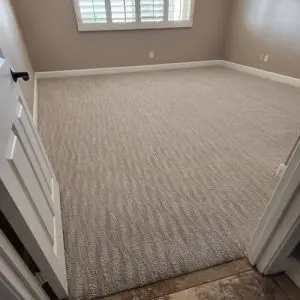
Always check the carpet installation requirements before you purchase your pad thickness and double-check with the installer if you’re uncertain.
Density
Density indicates pad weight per cubic foot, in pounds per cubic foot. Higher density translates to a pad that resists compression and supports the carpet backing, which extends carpet life.
Less dense pads may feel softer up front, but they compact quickly.
Table: Ideal density by area and carpet type:
-
High-traffic areas (hallways, stairs): 7–8 lb/ft³
-
General living areas: 6–7 lb/ft³
-
Bedrooms (low traffic, plush carpet): 5.5–6.5 lb/ft³
-
Entryways or commercial-style use: 8 lb/ft³ or higher
Opt for higher-density pads in furniture-heavy or high-traffic areas to prevent early matting and loss of spring. In areas where initial softness is preferred and traffic is light, a medium density may strike the right balance between comfort and price.
Always pair pad specs to both your carpet type and room usage to achieve the optimal balance of cushion, support, and longevity.
Traffic Considerations
Traffic considerations should determine your carpet pad choice for each room. Varying traffic affects a pad differently over time. Match pad density and material to traffic to balance comfort, carpet appearance and lifespan.
Low Traffic
Plush, thick padding fares best in guest rooms, home offices, and formal living rooms where foot traffic is light. With these pads enhancing underfoot softness and sound dampening, quiet spaces get a little more opulent.
Memory foam provides contouring comfort and alleviates pressure on joints, which is ideal in a home office where you either stand or move slowly. Opt for a density that supports without feeling like a mattress.
Top quality urethane foams deliver a combination of softness and slow compression recovery that makes your carpet stay looking smooth longer than with inexpensive foam. Stay away from very high-density or firm pads in these rooms, as they diminish the cushioned sensation and transfer more impact to the carpet fiber, which makes the floor feel hard.
If you like a gentler tread, a 10–12 mm thick pad with medium to low density is an attainable goal for most low traffic rooms. For formal spaces, think about a pad with strong dimensional stability to maintain seams and edges for a long time.
High Traffic
Hallways, stairs and family rooms require high-density, hard padding or the carpet will quickly wear out and stretch. Rebond foam, manufactured from shredded scrap foam compressed into a dense block, fights compression set better than low-grade foam and keeps carpet fibers springy.
Thick rubber pads are great for load distribution and tear resistance on stairs, which help to prevent tread compression and unsightly footprints in high-traffic zones. For entryways and basements, select pads with a built-in moisture barrier or an additional moisture resistant layer to protect against dampness that can break down pad and carpet backing.
Soft, low-density pads in high traffic areas cause wrinkles, ripples and premature replacement because they collapse rapidly under repeated loads and won’t bounce back. Go for higher ILD (indentation load deflection) values—compare manufacturer specifications—when protecting zones with heavy furniture or high foot traffic.
For stairs, first and foremost, use thin but firm pads that can be stapled or glued so they don’t shift around.
The Unseen Factors
Carpet padding is about more than just softness. It is a combination of the subfloor, your installation, and warranty terms that dictate long-term comfort and performance. Little things like a slightly different pad material, thickness, or even placement can alter how a floor feels, how long the carpet actually lasts, and if a manufacturer will even honor a warranty.
Subfloor Impact
Carpet padding evens out minor dips and gaps in wood and concrete subfloors, reducing point loads that would otherwise wear carpet fibers faster. On concrete slabs, closed-cell foams and rubber pads resist moisture better than open-cell urethane.
Basements or slab installations often need a pad with a built-in moisture barrier or a separate vapor retarder laid between the pad and slab to stop damp rising into the carpet and causing mold.
Wood subfloors flex. Denser pads with greater compression resistance hold strong and keep the carpet stable, rather than being ‘spongy’ which ripples. If you have radiant heated floors, opt for thin, high-density pads that are specifically rated for heat transfer so they don’t trap heat or damage the pad.
Match pad choice to subfloor: Concrete favors moisture control and thermal compatibility. Wood favors firmness and shock resistance. Choosing the proper pad increases both stability and comfort. For example, a 10 mm memory foam over a hardwood subfloor may feel plush but will compress quickly and show permanent impressions. A 7 mm dense rebond pad preserves shape and supports traffic paths.
Installation Quality
-
Measure the room and position the pad with seams offset from carpet seams and taped.
-
Trim the pad so it ends shy of the wall by the proper gap and is secured to the tack strip, not the wall.
-
Stretch and staple the carpet over the pad with a power stretcher so it won’t wrinkle.
-
Check tack strip alignment to be sure pad edge is engaged and won’t shift under load.
-
Seal any moisture barrier seams and inspect doorways for gaps.
Experienced installers avoid common errors: leaving pad seams loose, overcutting at corners, or using knee kickers instead of power stretchers. Improper placement causes shifting, bunching, wrinkles, and uneven wear that make it less comfortable and decrease the carpet’s lifespan.
Warranty Nuances
-
Check with the carpet maker for pad density and thickness restrictions.
-
Verify approved pad materials (e.g., rebond, foam, rubber).
-
Verify that your installation method requires adhesive or tack strips.
-
Save your receipt and installer information for warranty claims.
Often manufacturers have pad type or density requirements, and even going a pad thicker or softer than they require can void wear or stain warranties. Check the warranty papers before you purchase a pad and keep a note of the pad specs and installer information for later.
Your Comfort Investment
Carpet padding is the secret super layer that dictates how a floor feels, endures, and functions. Think of it as a structural element instead of a disposable afterthought and you will reap rewards in comfort, thermal and sound insulation, and carpet longevity.
High-density foam or rebond pads offer solid, stable support beneath your feet. They compress less, thus preventing carpet fibers from matting in traffic areas. For instance, a 10 mm rebond pad with a density of 8 to 11 kg/m³ will provide firm support in living rooms and hallways.
Thicker, low-density pads feel cushy initially but compress more quickly. They are fine in a guest room or other seldom-used space. Memory-foam type pads provide extra softness but tend to slow rebound and wear out quickly underneath heavy furniture. Invest in your comfort.
Rubber and felt pads are great for protection. Dense rubber, whether slab or waffle, will resist compression and maintain form in the presence of point loads like dining chairs or bed legs. Wool-blend or fiber pads provide natural resilience and superior breathability, minimizing moisture traps that can damage carpet backing.
If you’re in a multi-level home or apartment, focus on pads that reduce sound transmission. Cross-linked rubber or high-density fiber does a great job of minimizing impact sound between floors.
Thermal and allergen considerations are important for comfort. Closed-cell foam and certain rubbers fight moisture and mold, which is a benefit in muggy regions. Open-cell and recycled fiber pads breathe harder but can trap dust if not combined with suitable underlayment and ventilation.
For allergy households, natural fiber pads and low-VOC certified foams reduce irritants. Look for that Green Label Plus or its equivalent, always.
Installation decisions matter. Too thick of a pad for a carpet’s pile height will cause seams to show or make tack strips less effective. Manufacturers usually suggest maximum pad thickness. Adhere to those suggestions to maintain warranty coverage.
Use glues where needed and seam seams for long runs. For rooms with heavy furniture, put furniture pads under feet to spread load and reduce indentations.
Cost versus value: a mid-range pad adds modest upfront cost but often doubles the wear life of the carpet compared with the cheapest option. For a standard sized room, the incremental cost per square meter is minimal in comparison to replacement labor and carpet cost.
Pad selection should be priority number one when replacing carpet. The right pad enhances comfort, safeguards the carpet, and reduces total lifetime cost.
Conclusion
Great padding makes carpet feel softer, wear longer, and reduce noise. Select foam with high density for living rooms. Choose rebond or felt for heavy traffic. For that extra cushion in bedrooms, opt for memory foam or thick urethane. Best carpet padding for comfort. Match thickness and density to your carpet type and daily use. Check product specs: density in kg/m3, thickness in millimeters, and warranty length. Put in padding that adheres to local fire and moisture regulations. Easy upgrades, such as a 10 mm pad with 8 kg/m3 density, demonstrate significant increases in comfort and wear performance. Little cost now prevents carpet repair and keeps feet, knees, and backs much happier. So, what do you say — ready to choose a pad? Compare all three options by density, thickness, and cost.
Frequently Asked Questions
What thickness of carpet padding is best for comfort?
Thicker padding (10–12 mm) typically provides a softer feel. For comfort with no give, select 8 to 12 mm according to the carpet type and room usage.
Which padding material gives the most comfortable feel?
Memory foam and rebond foam provide the best cushioning for comfort. They flatten out uniformly and dissipate exhaustion when you are standing or walking.
How does padding density affect comfort and durability?
Higher density (≥140 kg/m3 equivalent) provides firmer support and wears longer. Lower density is softer initially but wears quicker. Find a balance between density and thickness for carpet padding that is both comfortable and durable.
Should I choose padding differently for bedrooms versus hallways?
Yes. Bedrooms deserve thicker, softer padding for comfort. Hallways require thicker, firmer padding to handle the increased foot traffic and keep the carpet from bunching up.
Does underlaying impact carpet insulation and sound reduction?
Yes. Good padding adds comfort and resilience and enhances thermal insulation and sound absorption. Thick foam or rubber pads provide superior sound dampening and energy savings.
Can thick padding damage carpet warranties or installation?
Certain carpet warranties may mandate specific pad types or maximum thickness. Carpet manufacturer’s warranty and installer recommendations should be checked before making a choice for very thick padding.
How much should I expect to invest for comfortable, quality padding?
Anticipate medium level prices for quality comfort and durability. Expect to spend about twenty to forty percent of your carpet cost on padding. Upscale padding is more expensive, but it lengthens carpet life and enhances comfort.