

Key Takeaways
-
Select hard, heat-resistant floors like porcelain tile, polished concrete, or luxury vinyl plank to survive Arizona heat, resist UV fading, and be cool to the touch in hot months.
-
It’s all about low-maintenance, grit-resistant surfaces with minimal seams, such as large-format tile or SPC flooring to reduce allergens and cleaning time in the desert.
-
Choose moisture-resistant materials and installation techniques such as underlayment and sealed grout to avoid any warping, mold, or water damage that may occur during monsoon season.
-
Go with engineered hardwood rather than solid wood and choose products with UV-stable finishes to minimize expansion, contraction, and discoloration from intense sunlight.
-
Of course, adhere to installation best practices like acclimating materials, leaving manufacturer-recommended expansion gaps, and engaging expert installers for lasting results.
-
Flooring works in a room. High-traffic and wet areas need durable, slip-resistant flooring while bedrooms benefit from softer, hypoallergenic options that offer a happy balance of comfort and upkeep.
The ideal flooring for Arizona new construction homes is hard-wearing, cool to the touch and accommodates low humidity and extreme heat.
Hard surfaces such as tile and polished concrete provide longevity, low upkeep and are highly resistant to sun and heat.
Engineered hardwood with moisture-stable cores and luxury vinyl plank with high wear layers are both great alternative choices for comfort and trendiness.
The sections below contrast price, maintenance and climate suitability to steer choices.
Arizona’s Climate Demands
Arizona’s climate is one of extreme summer heat, fierce sun, and typically low rain in the low deserts. These environments alter flooring behavior with age and call for selections that withstand heat, dust, UV, and intermittent moisture. The paragraphs below explain what to seek and why, with targeted material and installation tips that matter for new construction.
Heat Resistance
Choose floors that maintain form in scorching heat and blistering sun. Materials with high thermal mass, like ceramic or porcelain tile and exposed or polished concrete, soak up daytime heat and release it slowly, keeping interiors cooler.
SPC (stone plastic composite) and certain rigid-core products stand up to heat better than traditional vinyl, expanding less and preserving structural stability during large temperature fluctuations.
Steer clear of flimsy vinyl or low-rated laminates that can bubble or delaminate when concrete subfloors soak up heat all day. Permit more generous expansion gaps than usual.
Arizona’s extreme temperature fluctuations usually dictate wider than normal gaps, and manufacturers or installers should design for at least the upper end of recommended spacing. Go for products that have demonstrated performance under elevated surface temperatures and find warranties that cover heat.
Dust Management
Hard, smooth surfaces are ideal where dust and grit are ubiquitous. Porcelain tile, glazed ceramic, and polished concrete flake off dust when mopped and don’t hold allergens like carpets.
Reduce seams and grout lines. Large-format tiles and thin grout or epoxy grout minimize spots for grit to accumulate. Textured floors, deep-pile carpets, or high-pore natural stones add to cleaning time and compromise indoor air quality.
For busy households, set up cleaning routines: daily dry sweeping or microfiber dust mopping and weekly wet mopping with neutral cleaners and entry mats to catch grit before it reaches finished floors.
UV Durability
Sun-heavy regions require UV-stable components. Choose tile, concrete, or floors with UV coatings applied at the factory.
Steer clear of raw wood or vinyl goods that lack UV protection in rooms with big, unshaded windows. Even certain laminates fade in the constant sun. Select products proven lightfast.
Protect susceptible areas with window films, shades, or area rugs. UV-resistant floors save on replacement and refinish costs over time and maintain interiors uniform in color and appearance.
Moisture Tolerance
Even though it rains very little in a year, there are monsoon storms and occasional humidity spikes. Pick floors that resist warping, swelling, and mold: porcelain tile, luxury vinyl plank, SPC, and polished concrete perform well.
Laminate can work if insulated from moisture and heat stress and if subfloors and seams are well sealed. Basements and bathrooms require adequate subfloor preparation, moisture barriers, and expert installation to keep the wood safe from water damage.
For concrete subfloors, employ at least 3mm and preferably 5mm cushioning underlayments to accommodate expansion and add stress relief during moisture and temperature swings.
Top Flooring Contenders
A quick guide to the best flooring for new construction in Arizona – how they perform in hot, dry climates, maintenance, price, and popular design trends.
1. Porcelain and Ceramic Tile
Porcelain and ceramic tile resist heat and sun exposure and maintain a coolness underfoot that helps the indoors stay comfortable on hot days. They’re ideal for high-traffic spaces, kitchens, and bathrooms as they combat stains, water, and scratch damage.
Tiles vary in size, color, patterns, and finishes – from matte stone appearances to polished marble imitations – so they can complement both contemporary and classic aesthetics. Maintenance is simple: sweep, mop with mild cleaner, and reseal grout periodically.
Price varies by quality and level of difficulty of installation. Some high-end porcelain can cost as much as natural stone, whereas basic ceramic is still quite affordable. Tiles back up open floor plans and indoor-outdoor transitions.
Continuous large-format tile maintains visual flow and minimizes grout lines. Porcelain is denser and less porous than ceramic, so it’s better where moisture and grit happen.
2. Luxury Vinyl Plank
All of which is especially true if you have a dog or two at home! It is water-resistant to fully waterproof, depending on product selection, which makes it appropriate for kitchens and bathrooms in dry climates where quick spills are more important than humidity.
LVP can look like wood, stone, or tile, providing designers expansive versatility while maintaining a lower price than natural materials. Combined with foam underlayment, it offers additional cushion and noise dampening, aiding in multi-level dwellings.
Vinyl is affordable, easy to install, and easy to clean, but it fades with extended sun exposure, so using UV-stable products or window treatments is recommended. Vinyl’s look spectrum and low-maintenance nature make it a favorite for entire-home installations.
3. Polished Concrete
Not only is polished concrete durable and low maintenance, it reflects light, which brightens interiors and can reduce cooling loads. It’s stain, grit and moisture resistant when sealed correctly and it can endure heavy traffic without wear patterns.
Concrete is offered in numerous colors and levels of sheen. Property owners may opt for exposed aggregate, dyes or acid stains for different appearances. It’s sustainable: the existing slab often becomes the finished surface, lowering material use.
Cooling rewards are genuine; concrete retains and gradually releases heat, aiding indoors coziness. Semi-annual resealing maintains beauty.
4. Engineered Hardwood
Engineered hardwood utilizes a composite core, which mitigates temperature-induced expansion and contraction, making it a more suitable option than solid wood for Arizona’s dry heat. It provides real wood faces—oak, maple, cherry—giving warm tones for living rooms and bedrooms.
Select UV- and moisture-resistant finishes to safeguard tone and texture. Engineered boards blend beauty with increased dimensional stability. Steer clear of solid hardwood in rooms with direct sun or moisture.
5. Tile Alternatives
Stone plastic composite (SPC) and laminate offer hard-wearing, affordable tile substitutes. What are SPC and laminate? SPC is rigid and waterproof with a stone-like core that resists dents and heavy traffic.
Laminate features melamine-based layers fused into a high-density stable plank, providing affordable wood looks. Both come in a variety of textures and finishes, with fast installation and minimal maintenance.
Laminate and certain vinyl can fade with prolonged sun exposure, so opt for UV-rated products near windows and patios. These choices play well with homeowners seeking speedy installation and a lower initial price tag.
|
Material |
Durability |
Heat Resistance |
Maintenance |
Typical Cost (USD/m²) |
|---|---|---|---|---|
|
Porcelain Tile |
High |
High |
Low |
30–120 |
|
Ceramic Tile |
Medium-High |
High |
Low |
20–70 |
|
LVP |
High |
Medium |
Low |
15–60 |
|
Polished Concrete |
Very High |
Very High |
Very Low |
25–90 |
|
Engineered Hardwood |
Medium-High |
Medium |
Medium |
40–150 |
|
SPC / Laminate |
Medium |
Medium |
Low |
10–50 |
Flooring to Reconsider
Arizona’s dry air and significant temperature fluctuations during the day pose issues for certain popular flooring options. Below are the high level bullets on common fails, then we dive into specific materials that frequently disappoint in new construction here.
Think long-term and eschew the trendy in favor of hardiness and climate compatibility. Think through maintenance and replacement costs before you commit.
-
Warping and cupping from rapid temperature shifts
-
Cracking and shrinkage in low-humidity conditions
-
Fading from intense sunlight through large windows
-
Rapid wear on soft surfaces in high-traffic zones
-
Seams and edges that trap dust and grit
-
Increased allergen load with porous or fibrous floors
-
Higher lifetime cost from frequent refinishing or replacement
Solid Hardwood
Solid hardwood is recalled because it will crack and shrink when indoor humidity falls below normal temperature levels. Boards can separate, forming chasms that collect dust and allow drafts.
Extreme temperature swings induce movement that results in warping, cupping, and finish and structural damage. Refinishing comes sooner to desert homes since the finish breaks down under intense sun and dry air, which drives up the lifetime costs against more stable alternatives.
Engineered hardwood seals a real wood veneer over a multi-ply base and is a closer match for Arizona because it withstands moisture and temperature fluctuations much better while maintaining hardwood’s appearance.
High-Pile Carpet
High-pile carpet captures dust, grit, and allergens more than lower-profile choices, rapidly diminishing the quality of indoor air. In active homes, it displays wear paths and dirt that resist washing, stains become permanent, and fibers mat.
High-pile traps heat close to the skin, which can be stifling in the summer despite air conditioning. Low-pile carpets or contemporary carpet tiles provide a softer touch where desired, yet are simpler to vacuum and swap out in areas after heavy use.
Certain Laminates
Certain laminates absorb moisture and either swell or delaminate or display lifted planks when exposed to constant dry air and large temperature fluctuations. There are obvious seams and edges in cheap laminates where grit gets trapped, which quickens surface abrasion and causes floors to appear aged prematurely.
Premium laminates featuring moisture and heat resistance fare even better and are a long-lasting and cost-effective option, particularly when paired with a thicker wear layer. Check warranties and technical specs for Arizona-specific performance claims and select thicker cores to increase impact absorption and minimize long-term wear.
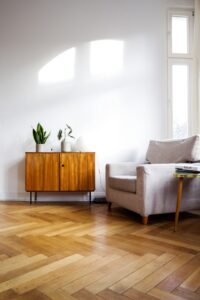
Flooring needs to be reconsidered, as foot traffic, furniture sliding and water damage wear materials over time. Select scratch-resistant, fade-resistant and wear-resistant materials that will feel cool to the touch and reflect room traffic.
Beyond the Material
New Arizona homes’ floor coverings must solve more than aesthetic issues. They have to suit climate realities, human comfort, and long-term value. Below is a desert-specific installation checklist, then targeted discussion of underlayment, grout, and surface finish and why professional installation is important.
-
Pre-install inspection: confirm subfloor flatness within 3 mm over 3 m. Test for moisture with a calcium chloride or relative humidity test. Patch cracks and level as required.
-
Moisture barrier and vapor control: Install a continuous moisture barrier for concrete slabs. Think polyethylene sheeting or a liquid applied membrane where condensation or slab moisture are a concern.
-
Thermal isolation: Specify underlayment with thermal resistance for rooms with direct sun exposure to reduce heat transfer.
-
Material acclimation: Allow materials to acclimate in the home for at least 48 to 72 hours, longer for wood products.
-
Expansion gaps and transitions: plan for proper expansion joints at perimeters and between dissimilar materials. Utilize covers that provide motion.
-
Fastening and adhesive: Choose adhesives rated for high temperatures and low humidity where applicable. Follow manufacturer open time and trowel size.
-
Grout and seal: Choose stain-resistant grout, seal grout lines after curing, and allow full cure before heavy use.
-
Final finish and inspection: Apply recommended finishes, inspect for uniformity, and document warranty requirements.
Underlayment Importance
Go with underlayment that provides a vapor barrier and thermal insulation for finishes to defend against slab moisture and radiant heat. Good subfloor prep leads to cleaning out debris, filling in dips, and laying a solid foundation. Bad subfloor prep results in buckling, squeaky seams, and early breakdown.
Foam underlay performs excellently for vinyl and laminate in living rooms for added underfoot cushioning. Cork provides natural insulation and sound damping that is ideal for bedrooms. Underlayment changes how floors feel and age: a dense cork layer can soften footsteps on engineered hardwood and reduce clang on laminates, while thin foam may transmit more impact and shorten the wear life of thinner vinyl.
Grout Selection
Opt for grout that’s resistant to staining from fine desert dust and everyday foot traffic. Use sanded grout for wider joints and non-sanded grout for tighter seams. Epoxy grout is stain resistant and has low porosity for wet rooms and kitchens, reducing maintenance in dusty environments.
Seal grout lines to keep moisture out and minimize mold potential, particularly in locations where nightly temperature fluctuations can result in condensation. Matching your grout color to tile provides a clean, modern look and helps to mask dust, while contrasting grout can add depth but show discoloration quicker.
Surface Finish
Choose finishes that enhance scratch resistance and provide UV protection for floors exposed to big windows and sun-drenched patios. Matte or low-sheen textures conceal dust and micro scratches more than high gloss, so you don’t have to clean them as often.
Refresh protective coatings on hardwood and engineered wood every few years, at the intervals recommended by manufacturers, to maintain wear layers. Finish choice shapes both look and performance. A durable finish lets you choose slimmer boards for a calm, minimal interior that supports a life focused on experiences over possessions.
Room-Specific Choices
Flooring options should align with room function, foot traffic, and regional climate to achieve the ideal blend of comfort, durability, and aesthetics. Here are room-specific selections along with realistic considerations about upper floors, basements, and AZ-style family rooms.
High-Traffic Areas
Porcelain tile, SPC rigid-core vinyl, and polished concrete are our top choices for entryways, hallways, and expansive living areas. Porcelain resists heavy foot traffic, is extremely scratch resistant, and withstands sun exposure without fading. SPC provides a waterproof core, excellent dent resistance, and simpler installation over radiant heat.
When sealed, polished concrete provides low maintenance and an extended lifespan. Select a strong wear layer or high PEI score for tile. For pet- or kid-friendly homes, seek scratch- and stain-resistant finishes or opt for extra-wide planks to camouflage wear.
Easy-clean surfaces cut maintenance time: smooth porcelain, sealed concrete, or click-lock SPC wipe clean without special products. Consider slip resistance at entries and stairs and opt for textured finish tiles or SPC with embossed surfaces. Where applicable, use rugs with non-slip pads and metal or rubber thresholds at transitions to protect edges.
Bedrooms
Low-pile carpet and LVP work well for bedrooms and guest rooms. Carpet adds softness underfoot as well as excellent sound dampening, which is great for sleep and privacy between rooms. Select room-specific choices and opt for tightly woven, low-pile carpet for easier cleaning and less allergen trapping.
If sealed and maintained, natural fiber options can work, too. LVP provides a wood look with warmth, cleanability, and waterproofness for upstairs suites. Hypoallergenic flooring options eliminate dust and allergens.
Sealed LVP, hard-surface floors with washable area rugs, or low-VOC carpet are good choices. Mid-tone wood looks, grey-browns, and patterned tiles for accent areas are in right now and offer a good ‘modern’ feel without being overpowering. For upstairs bedrooms, consider lighter-weight underlayment to minimize impact noise to downstairs rooms.
Wet Areas
Bathrooms, kitchens, and laundry areas require waterproof or super moisture resistant floors. Porcelain tile, LVP with waterproof core, and sealed polished concrete work well. Porcelain is dense, stain-resistant, and receptive to anti-slip finishes.
LVP provides warmth and simpler repair. Polished concrete is hard wearing when correctly sealed and finished with non-slip additives. Quality underlayment and waterproof membranes are a must.
Select cement backer board and full-floor waterproofing in showers and wet rooms, and choose suitable grout sealing for tiles. Slip-resistant finishes or textured tile should be incorporated on shower floors and bath thresholds. Drain location, slope, and threshold height all need to be configured with flooring selection to avoid pooling and seepage.
Table of Recommendations
|
Room |
Recommended Types |
|---|---|
|
Living room / hall |
Porcelain tile, SPC, polished concrete |
|
Bedroom |
Low-pile carpet, LVP (waterproof option) |
|
Kitchen |
Porcelain tile, LVP, sealed concrete |
|
Bathroom / laundry |
Porcelain tile, waterproof LVP, sealed concrete |
Local Installation Nuances
Local installation nuances must reflect Arizona’s arid climate, intense solar load and the local building codes. Care about acclimation, expansion allowance, subfloor prep and community rules minimizes long-term failures. Read on for local installation nuances, specifics on the process and standards that count in new construction in Phoenix, Mesa, and other communities.
Acclimation Process
Regardless of floor type, every material must acclimate to local temperature and humidity prior to installation. Engineered wood, laminate, LVP, and solid wood all have manufacturer recommendations, generally 48 to 72 hours for LVP and laminate, and up to a week for thicker engineered or solid planks. Dry winter months might require an extended period.
Store both full cartons and representative samples in the installation room so they acclimate to the room’s microclimate. Leave HVAC running at designated setpoints. If they don’t acclimate, boards can warp, buckle, or come apart, particularly where dry air saps moisture from wood fibers.
For high desert dust locations, stock seal materials to minimize sandpaper particle embedment prior to installation.
Expansion Gaps
Flooring expands and contracts with temperature and moisture changes. Perimeter gaps are not optional. I’ve seen manufacturers request 6 to 10 millimeter gaps for both engineered wood and laminate, and similar clearances for LVP, although wider gaps may be required for large rooms or direct sun exposure.
Install transition strips and moldings to transition at doorways and between different surfaces and hide seams. When there’s no expansion space, floors can buckle or lift during the hottest summer days or rapid day and night swings that desert climates are known for.
Thicker boards are harder to move but still require properly sized expansion gaps. Thicker materials absorb impact more effectively where heavy furniture rests.
HOA Guidelines
Early check HOA rules. Some HOAs in Phoenix and Mesa limit visible material types, noise-rated underlayments, and installation methods for shared-wall buildings. Submit samples, installation plans, underlayment and sound-rated padding information to receive written approval prior to commencing work.
Noncompliance can result in fines or flooring removal and replacement orders at the homeowner’s expense. For noise, aesthetics and safety reasons, tile or LVP typically win in entry ways and other high-traffic areas.
Porcelain tile resists moisture and fading, as scratch-resistant engineered wood or laminate withstands dust and trample. Insist that subfloor inspections be recorded or you risk hidden moisture or uneven floors ruining your finish for years to come.
Conclusion
New construction homes in Arizona require floors that withstand heat, dust, and dry air. Porcelain tile and luxury vinyl plank stand out. Tile cuts heat and lasts decades. Vinyl adds warmth and fights moisture in the kitchens and baths. Engineered wood suits living areas with meticulous maintenance and an appropriate finish. Do not install solid hardwood in sun-soaked spaces and bargain-basement carpet in busy areas.
Think underlayment, installation, and a neutral color palette that camouflages dust and cools the room. Match room use to material: tile for entry and patios, vinyl for family rooms, and engineered wood for bedrooms. Save for quality installation. Choose a local installer with residential-grade warranties.
Need assistance deciding a floor type, color and installer list? I can map options by budget and style.
Frequently Asked Questions
What flooring is best for heat and low humidity in Arizona new construction homes?
Porcelain tile comes in first. It’s cool, resists moisture variation and is incredibly durable. It comes in lots of styles to fit with today’s modern builds.
Can engineered hardwood work in Arizona’s climate?
Yes. Engineered hardwood, which is more stable than solid wood, fares better in low humidity. Keep the indoor humidity between 30 and 40 percent for optimal performance.
Is vinyl plank flooring a good option for Arizona?
Yes. Luxury vinyl plank (LVP) resists scratches, moisture, and temperature shifts. It’s economical, soft underfoot, and easy to maintain, which is great for hectic families.
Should I avoid solid hardwood in Arizona?
Solid hardwood can warp and gap with extreme dryness or heat. This is not the case unless you have tight humidity control and professional installation.
How does tile compare to stone for Arizona homes?
Porcelain tiles beat natural stone for maintenance and moisture resistance. Natural stone is gorgeous but might require sealing and a little extra TLC in dry, dusty conditions.
What flooring is best for energy efficiency and keeping homes cool?
Light-colored tile or polished concrete reflect the heat and stay cool. These options lower cooling load and excel in sunny open floor plans.
What should I consider about installation and warranties locally?
Select installers familiar with desert environments. Check the product warranties for temperature and humidity restrictions. Local professionals can guide you with subfloor preparation and acclimation.