

Key Takeaways
-
Opt for materials that withstand blistering sun, quick temperature shifts and monsoon moisture to avoid fading, cracking and warping while increasing the longevity of your patio.
-
Opt for low-absorption, UV-resistant choices like porcelain, travertine, concrete, composite, or artificial turf to ensure your flooring is durable, cool underfoot and low maintenance.
-
Slip resistance textures, drainage, sealed seams and a well compacted base are priority safety and property preservation considerations to be taken before the monsoon rains.
-
Design installations with expansion gaps, premium adhesives and grout, and professional installers corresponding to thermal movement and long-term performance.
-
Lean on lighter colors, UV-stable finishes, and matte or textured surfaces to minimize heat and glare without abandoning aesthetics that suit Arizona’s earth-toned palettes.
-
Balance style and function by choosing materials and patterns that define stylish indoor-outdoor transitions and incorporate features such as lighting, drainage, and seating for practical year-round use.
Best indoor outdoor flooring for Arizona patios is strong, heat-tolerant, and low-maintenance. Materials such as porcelain tile, textured concrete, and UV-stable composite decking stand up to sun, sand, and extreme temperature variations.
Appropriate underlayment and slip-resistant finishes enhance safety and comfort even in the high daytime heat. Material matters for cooling, cleaning, and long-term cost, so pair finish, budget, and local climate.
Within, you’ll find a guide to top choices as well as installation tips for Arizona patios.
Arizona’s Climate
Arizona’s climate ranges dramatically by location, from scorching hot summer conditions in the low desert basins to cool mountain zones with winter snowfalls. This range is relevant to patio flooring selections because what’s right for Flagstaff won’t always be right for Yuma or Phoenix.
Arizona’s low desert regions like Maricopa, Pinal, and Yuma experience such intense heat, typically above 48°C or 118°F, very low rainfall, strong sunlight, and massive temperature fluctuations from day to night. Mountain towns such as Flagstaff and Prescott may experience cold, wet winters and even some snow, so any flooring chosen has to perform across the local conditions.
Intense Sun
Choose flooring with UV-resistant finishes to slow color fade and surface breakdown. UV-stable glazes on porcelain tiles or composite boards with UV inhibitors keep appearance longer under constant sun.
Opt for lighter tones — pale grays, beiges, or sand hues — that reflect solar radiation and reduce surface heat, making bare feet more comfortable during summer midday. Avoid glossy, highly reflective surfaces that increase glare and can feel hotter underfoot.
Matte or textured finishes lower reflected light and tactile temperature. Materials such as high-quality porcelain pavers and capped composite decking offer both UV resistance and dimensional stability, maintaining color and strength in prolonged sun exposure.
Temperature Swings
Choose flooring that expands and contracts minimally so it doesn’t crack due to Arizona’s quick shifting temperature from day to night. Porcelain and some engineered composites exhibit low thermal expansion and are better in areas with high diurnal swings.
Flexible options such as rubber pavers or composite decking perform well as they resist splitting due to their ability to accept movement. Installers need to provide expansion gaps and apply flexible sealants because everything expands and contracts with heat.
Using the right fastening methods minimizes stress on boards and tiles. Stay away from plain old natural wood in high-desert environments unless it’s pressure-treated and properly sealed and maintained to endure the freeze-thaw and constant humidity and temperature swings.
Monsoon Season
Add surfaces with obvious drainage, such as sloped concrete, permeable pavers, or drainage mats under tiles, so they don’t hold water during monsoon storms. Slip-resistant textures and abrasive finishes minimize slip hazards when surfaces are wet from monsoon downpours.
Porcelain pavers and carefully finished concrete are water resistant and prevent mold or efflorescence, assuming seams and joints are well sealed. Be sure caulking and grout are rated for outdoor use and checked after storms.
Blocked seams allow water into sublayers and cause lasting damage. By maintaining seals and drains, patios stay safe and functional through seasonal storms.
Top Flooring Choices
Selecting patio flooring in Arizona isn’t just about heat performance and maintenance. It’s about longevity and style. We’ve laid out the contenders below to help you weigh durability, maintenance, and cost while highlighting which materials best survive scorching sun, temperature swings, monsoon rains, and poolside lounging.
1. Travertine
Travertine provides a natural stone appearance and remains on the cooler side beneath your feet due to its light, porous surface and natural color palette. Its textured finish provides excellent slip resistance, which is great for pool surrounds and wet patios.
Seal travertine to lessen stain potential and prevent excessive water penetration during monsoon season. Reseal every one to three years based on use and exposure. Travertine works with earth tones such as sand, clay, and warm gray and classic and Southwestern looks.
Expect mid- to high-range cost and moderate maintenance, which includes occasional pressure washing, grout care, and spot sealing. It is perfect where a classic, high-end appearance is called for and where light or shaded colors can mitigate heat absorption.
2. Porcelain
Porcelain tile is extremely heat, moisture, and wear resistant because of its very low water absorption and hard-fired surface. It is virtually impervious to staining and spalling.
Porcelain tiles in large formats provide a seamless, contemporary feel and draw the eye outward to make your space feel larger by reducing grout lines. Opt for R11 finish tiles around your pool for added grip.
Gray and other earthier outdoor porcelain tones merge with landscaping and don’t fade. Maintenance is minimal—sweep and rinse—but you need to install them properly and use anti-fracture membranes over slabs that shift. Price varies from reasonably priced to high end depending on size and finish.
3. Concrete
Concrete is affordable and highly customizable. Plain pours, stamped patterns, colored pavers, and textured finishes fit both traditional and modern designs.
Concrete sealing is essential in Arizona to minimize hairline cracking, efflorescence, and stains from the intense sun and monsoon runoff. Decorative options can imitate stone or tile for less.
Maintenance consists of occasional sealing and crack repair, and long-term durability requires an appropriate subgrade and control joints. Concrete is an excellent, scalable option for oversized patios and drive-adjacent spaces.
4. Composite
Composite decking offers wood-look appeal with low maintenance. It stands up to sun, rain, bugs, and heavy foot traffic while providing a variety of colors and textures.
Composite is slip-resistant and comfortable to the touch, perfect for entertaining decks and rooftop patios. It costs more than simple wood, but lower lifetime maintenance makes it cost-effective.
Choose capped composites with UV stabilizers for the best color retention.
5. Artificial Turf
Artificial turf gives you a lush, green, soft surface with no irrigation or mowing, perfect in arid environments. Contemporary turf drains excellently for monsoon circumstances, is pet- and child-friendly, and works for pool edges and rooftop installs.
Up-front cost depends on easy maintenance, which includes brushing and rinsing. Sprinkle on some quality infill and good underlay, and the pitch is both durable and heat-controlled.
-
Best options: travertine, porcelain, concrete, composite, artificial turf
|
Material |
Key Features |
Pros |
Cons |
|---|---|---|---|
|
Travertine |
Natural stone, cool, textured |
Cool surface, slip-resistant, classic |
Needs sealing, higher cost |
|
Porcelain |
Low porosity, large-format options |
Durable, low maintenance, fade-resistant |
Requires good substrate, tile cost varies |
|
Concrete |
Versatile, customizable |
Affordable, durable, many finishes |
Requires sealing, can crack |
|
Composite |
Wood-look, low upkeep |
Durable, insect/sun resistant |
Higher upfront cost |
|
Artificial turf |
Drains well, soft |
No watering, pet-friendly |
Heat retention, quality varies |
Seamless Transitions
Seamless transitions connect indoor and outdoor spaces so the entire home reads as one. Visually, continuity makes rooms seem much larger and more open, and it enhances function because you can easily flow inside out and outside in. To accomplish this, thoughtful decisions must be made about materials, colors, textures, and installation details so the transition is smooth instead of jarring.
Use like materials or closely matched colors inside and out to reinforce the transition. Seamless transitions provide an example of a neutral gray porcelain tile inside the living room that matches a matte gray porcelain on the patio. This keeps color consistent and reduces the visual break at a sliding door. Natural stone in a foyer leading onto a covered patio can be made to work if the same stone finish and color are employed.
Additional sealing and upkeep should be anticipated on the outdoor piece so it withstands staining and weathering. LVT and porcelain tile, of course, are functional ways to continue flooring over thresholds. LVT has water resistance and a softer underfoot feel, can resemble wood or stone, and is easier to install flush with outdoor decking when the patio is covered and protected.
Porcelain is dense, low-porosity and can be incredibly durable outdoors when rated for exterior use. Matching indoor and outdoor porcelain pavers makes maintenance a breeze and keeps the look of your home consistent. Large-format tiles minimize grout lines and maximize smooth visual flow, while matching grout color to tile eliminates the “spotted” look that breaks up continuity.
To enable safe, comfortable transitions, edges and level surfaces are a must. Floors should be level or have a low-profile threshold of just a couple of millimeters at most for easy wheelchair, stroller, and foot traffic. At the juncture between two surfaces, utilize transition strips that are flush and slip-resistant.
For exterior doors, make sure they are adequately sloped and drained so water does not collect at the threshold and ruin your indoor finishes. Rugs and outdoor carpet tiles can smooth out transitions and add coziness at entrances. An indoor runner that echoes the colors of an outdoor rug provides a visual bridge.
These outdoor carpet tiles are mold resistant and you can replace one if it gets stained. Just lay them down on the patio with a slight drain for moisture; you don’t want it trapped. In mudrooms, washable mats that mimic patio colors make the flow seem deliberate.
Account for climate and maintenance: in hot, sunny areas choose UV-resistant materials. In colder climates select tiles rated for freeze-thaw cycles. For stone and tile, routine joint maintenance and stone sealing extends the life.
Design installation techniques such as movement joints, appropriate adhesives, and flashings to maintain the bond between indoor and outdoor flooring secure and durable.
Installation Essentials
Installation is everything—it’s the basis for beautiful, long-lasting, high-performance indoor-outdoor flooring on your Arizona patio. Proper technique defends against heat, UV, quick storms and pooling. The next sub-subsections discuss the core technical steps and practical decisions that impact durability, safety, and maintenance.
Professional installation: why it matters
-
Assess subsurface conditions. A professional will test soil stability, drainage patterns, and load-bearing capacity, then recommend gravel, sand, or concrete bases as needed.
-
Match materials to conditions: Pros choose adhesives, fasteners, and underlayments rated for high UV and temperature swings. They know what porcelain tiles, natural stones, or composite decking need what products.
-
Precision layout and tolerances: Installers maintain consistent joint widths and alignment for larger-format tiles and linear designs. This ensures seamless indoor-to-outdoor transitions and correct slope for drainage.
-
Proper curing and sequencing: Experienced crews schedule work during mild weather and allow correct cure times for mortars and sealants, avoiding blistering, bond failure, or discoloration.
-
Warranty and accountability: Certified installers provide workmanship guarantees and can adjust finishes or seals after seasonal events such as monsoons.
Proper Base
A firm, well-drained foundation stops movement and sinking. Install compacted crushed gravel under pavers to permit drainage, sand beds with a compacted base for certain porcelain pavers, and a reinforced concrete slab where heavy loads or large-format tile demand stiffness.
They minimize moisture accumulation that leads to freeze-thaw or salt migration by providing a gravel base to reduce capillary rise, even in desert climates where unexpected storms arise. Sand layers must be leveled and compacted in lifts. Don’t depend on loose sand by itself!
Control joints, appropriate reinforcement and a slope of about 1 to 2 percent for water run-off are required for concrete slabs. Compacting in advance of installation is key. Employ a plate compactor and verify compaction with a probe or simple test.
Expansion Gaps
Expansion gaps are a must in hot climates due to thermal movement. Don’t forget those manufacturer-recommended perimeter gaps, usually between 3 and 10 mm for tiles and larger for composite planks.
Checklist:
-
Use spacers to hold consistent joints during setting.
-
Verify gap widths across entire run every few rows.
-
Preserve movement joints at plane changes and around penetrations.
Spacers stop you from having uneven joint widths, so check up on them every now and then. Seal all gaps with flexible sealant or color-matched trim to maintain a clean edge and prevent dirt or water from accessing joint areas.
Sealing and Grouting
Sealing safeguards porous stones and concrete against stains and moisture. Apply penetrating sealers for travertine and topical sealers for select concrete finishes. Select a high-quality grout with additives for flexibility and stain resistance to match the slip resistance of the pool area.
-
Seal porous stone such as travertine and concrete to repel water and staining.
-
Reapply sealant periodically after heavy rains or monsoon season.
-
Use grout with UV-stable pigments for color longevity.
-
Choose slip-resistant finishes for pool-adjacent areas.
Arizona Design Trends
Arizona patios today lean towards an easy, organic transition between indoor and outdoor living, with materials and floorplans selected to bond spaces aesthetically and practically. Designers have turned their attention to earthier palettes, larger formats, and integrated features that satisfy area-specific climate needs while facilitating current lifestyle activities such as entertaining and peaceful downtime.
Color Palettes
Warm earthtones, tans and warm grays dominate choices leading the way, resembling sand, clay and mineral hues in the area. These colors frequently contain quiet tonal variation so surfaces read as organic rather than flat.
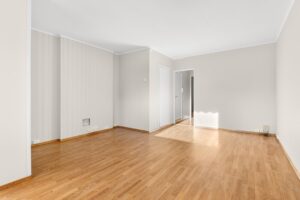
Light colors like pale beige or warm sand will reflect heat and help keep everything outside a bit cooler in those scorching hot months and they pair beautifully with porcelain pavers or concrete-look tiles.
Red and copper-inspired hues are sprinkled sparingly to provide that Southwest flair, typically as accent bands, risers, or planting-bed edges versus full-field coloration. Coordinate flooring with exterior paint, landscaping, and furniture.
Pair olive or sage planting beds with warm gray porcelain, or match clay tones to terracotta pots and wood furniture for a unified look.
Patterns and Sizes
Large-format tiles and plank formats remain popular as they evoke a spacious, modern feel and minimize grout lines, helping maintain the indoor-outdoor flow designers desire. Most projects feature oversized porcelain pavers with an R11 slip rating for added traction and enhanced aesthetics along pool edges and traffic areas.
Visual interest comes from herringbone, chevron, and staggered plank layouts. These patterns introduce motion on a flat plane and pair perfectly with wood-look planks or long porcelain tiles.
Mixing sizes, such as square pavers with longer rectangular tiles, allows you to designate areas like dining and seating without introducing physical barriers. Continuing that same tile from inside living rooms to covered patios keeps that flow going and creates the seamless transition that Arizona trends love.
Integrated Features
With built-in drainage to accommodate seasonal monsoon rains, hidden channel drains and subtle slopes to the floor plan preserve finishes and nearby landscaping. LED strip lighting along walkways and patio perimeters adds safety while accentuating texture and pattern.
Recessed step lights and in-paver fixtures add a tasteful accent. Incorporate planters, bench seating and fires directly into the flooring plan, such as planter-walls with matching tile faces, low seating ledges cast in concrete-look finishes or fire pits set into oversized pavers.
Incorporate textures in wet or high-traffic spaces to improve traction and longevity. Textured porcelain or R11-rated finishes provide grip without appearing utilitarian.
My Unfiltered Advice
Outdoor flooring in Arizona must be selected with clear priorities: long life, low upkeep, and comfort in heat. Choose fabrics that resist sun, wind-blown sand, and seasonal cold snaps. A good shake and dusting are mandatory, and just about any surface does well with a coat of sealant at least annually on many to keep the sun and sand from breaking it down.
Concrete will remain sound only if resealed every several years; otherwise, it gets porous and stains effortlessly. Durability and low care come first. Concrete, when sealed correctly, is durable and economical. Porcelain tile rated for exterior use holds up to fading and is simple to hose off.
Composite decking is more resistant to rot and bugs than certain types of wood, and high-end composites require only occasional cleaning. If you prefer natural wood, stick exclusively with rot-resistant varieties like cedar or redwood. These still demand yearly maintenance and more frequent inspections for wear.
Consider freeze-thaw cycles even in Arizona’s high elevations. Some stone and tile can crack if they hold water and then freeze. Balance aesthetics with functionality. Slip resistance is important following an infrequent shower or morning dew. Opt for textured finishes on tiles or stamped concrete with a non-slip additive.
Lastly, don’t use very dark colors on horizontal surfaces. Darker tones will absorb heat and can make patios too hot to enjoy. Choose earth tones, stone, or wood-look to create a transition between indoor and outdoor living areas. These selections blur the line between inside floors and help the patio feel like a natural expansion of living space.
Buy better stuff for long-term value and comfort. Investing more up front on dense porcelain tile, a well-installed concrete slab with a quality sealer, or an above average composite deck repays itself by lengthening repair cycles and keeping things safe underfoot. Premium choices hold their look longer and deal with chores more reliably.
Don’t be afraid to play with color, texture, and pattern to make your patio welcoming. Use lighter base colors with darker accents for interest and keep the overall heat gain down. Combine slim wood-look planks with oversized stone tile to designate eating and lounging areas.
Take advantage of patterned pavers to direct traffic and never use dark paver fields where people will be standing barefoot. Try test samples in full sun and shade at different times to get a sense of real heat and color.
Conclusion
Choose a floor that endures heat, sun and pop-up rain. Porcelain tile and textured concrete fare the best. Premium composite decking and sealed natural stone fare well in shaded areas. Match slip resistance to use and choose cool colors or light finishes to reduce surface heat. Design with small gaps and adequate drains to prevent water getting trapped. Utilize fasteners and adhesives designed for hot, arid climates. Fuse indoor and outdoor spaces with low-threshold doors, complimentary textures and a tight color scheme to maintain seamless flow.
A test patch on site provides real-world feedback on feel and heat. Need assistance paring down options for your patio size, shade or budget? I will walk you through choices and a general price range.
Frequently Asked Questions
What flooring withstands Arizona heat best for patios?
Porcelain tile and textured concrete are fantastic because they handle the intense heat and UV really well. They resist fading, remain stable in high heat, and are low maintenance, perfect for extended outdoor use in Arizona.
Is wood suitable for indoor-outdoor transitions in Arizona?
Engineered wood or tropical hardwoods with the right sealing can do the trick. Anticipate frequent sealing and shade to keep it from warping and sun damage. Consider maintenance before you pick wood.
Can I use the same floor inside and outside for a seamless look?
Yes. Porcelain tile or stone with coordinating thresholds allows a seamless transition. Select slip-resistant finishes for outdoor areas and never use finishes that are slippery when wet.
What flooring is best for low maintenance and durability?
Porcelain tile and sealed concrete are both relatively easy to care for. They resist stains, scratches, and moisture. They free you up to spend less time and money in Arizona’s dry, dusty air.
Do I need special underlayment for outdoor tiles in Arizona?
Yes. Utilize a crack isolation membrane and flexible thin-set mortar rated for exterior use. This avoids shifting from thermal expansion and substrate cracking due to temperature swings.
How important is slip resistance for Arizona patios?
Super critical. Smooth surfaces become slippery when wet from sprinklers or pools. Opt for slip resistant tiles rated R11 or higher or textured concrete, which minimize the risk of falling.
Which flooring offers the best return on investment for resale?
Porcelain tile and natural stone top the list. They attract customers, endure for years, and are easy to maintain. Nice installations help with property values and buyer perception.