

Key Takeaways
-
Carpet padding enhances comfort, support, insulation, and noise reduction and must correspond to the carpet type and room usage to extend carpet life and performance. Change the padding if it is worn, compressed, or does not fit your new carpet to safeguard your investment and warranty.
-
Check padding for age, stains, odors, wear, and moisture prior to putting down new carpet with a visual, feel, and smell test and take photos to record. If your padding approaches the 8 to 15 year life span, smells with lingering odors, is stained, or flattened, it’s time to replace it.
-
Worn or demolished padding can conceal hazards, including mold, allergens, and compromised indoor air quality that impact health and the new carpet’s lifespan. Swap out contaminated pads and opt for moisture-barrier or hypoallergenic alternatives for sensitive areas.
-
Choose pad material and density based on room function and subfloor conditions: rebond for high-traffic durability, foam for low-traffic comfort, and fiber for firm support or radiant-heat compatibility. Match thickness and density. Find the right balance of comfort and support for your carpet type.
-
Check carpet manufacturer warranty requirements and installer recommendations prior to padding reuse because most warranties require new, compatible padding and professionals recommend pad replacement for smooth, durable installation.
-
Deal with subfloor issues up front and with experienced installers to keep wrinkles, seams, and future headaches at bay. Record pad type and density along with installation date for warranty and maintenance purposes.
Does carpet padding need to be replaced with new carpet is answered by: usually yes when the padding is worn, stained, or compressed.
Padding impacts comfort, insulation, and carpet life and must conform to today’s thickness and density standards. Factors such as age, smell, and subfloor are important.
Carpet padding should be replaced with new carpet padding. The remainder of this post discusses when replacement is required and how to select padding.
Padding’s Purpose
Carpet padding is the thick, felted slab that sits between your carpet and subfloor. It serves as a buffer between carpet fibers and direct contact with subflooring and is available in a variety of weights and thicknesses, with a 40-ounce weight at about 7/16 inch thick being the norm or thinner, specialized variants.
Padding is typically the first layer installed during carpet installation, and when properly installed, it allows the carpet to lie snug and function as designed.
Comfort
More padding is softer and more luxurious underfoot, which explains why bedrooms and living rooms tend to have thicker-profile pads. That additional padding alleviates foot and joint stress, so standing or walking for extended stretches becomes less tiring.
Padding absorbs micro-impacts from kids sprinting, dogs leaping or things falling, keeping the surface pristine and daily life softer.
-
Foam (high-resilience): Plush feel, holds shape well and is good for living rooms and bedrooms.
-
Fiber/felted rebond: Dense and durable, balanced comfort, and common in family areas.
-
Memory foam is very soft underfoot and is not ideal for heavy traffic.
-
Rubber provides firm support with good rebound and is useful near doors or stairs.
Support
Padding backs carpet fibers and prevents them from crushing and matting down too soon. High-density padding is crucial in hallways, entries, and home offices where traffic is focused.
Low-density pads allow the pile to crush down and exhibit wear sooner. Good backing assists the carpet in conforming tightly to tack strips and edges, which minimizes rippling and maximizes the life of the carpet.
Compare density and thickness: higher density gives better long-term support, while thickness must match carpet type to avoid a squishy or unstable feel.
Insulation
Padding provides additional thermal insulation and keeps floors warmer in the winter months, particularly over concrete slabs. Few pads have moisture barriers that keep cold from underneath and prevent moisture issues.
Thicker pads can add comfort in basements and can be a great complement to radiant floor heating by providing a warmer surface at lower thermostat settings, potentially saving you energy.
Below are typical R-values for common padding materials:
|
Padding type |
Typical R-value |
|---|---|
|
Foam (thin) |
0.2–0.4 |
|
Rebond felt (medium) |
0.4–0.6 |
|
Thick felt (40-oz) |
0.6–0.8 |
|
Rubber (dense) |
0.5–0.9 |
Noise
Padding mitigates impact and airborne sound, minimizing footsteps and echo between rooms and floors. In apartments or houses with downstairs neighbors, a noise-dampening pad reduces complaints and increases privacy.
Deep or dense pads suppress slap and hollow sounds in big open spaces and around stairwells. Noise control options range from thick felt and dense rubber to acoustic pads for multi-story residences and common areas.
Replacement Factors
When considering whether to replace carpet padding during a new installation of carpet, consider a few pragmatic elements that can impact function, sanitation and warranty protection. The pad’s age, odors, stains, wear and the carpet manufacturer’s warranty guidelines are the primary factors.
Consider these subtopics and checklist to help you make a well-supported decision.
1. Age
Most carpet pads last about 8 to 15 years based on material and traffic. Old pads tend to lose their springiness and become ‘flat,’ which in turn reduces comfort and support and can decrease the lifespan of the new carpet.
Swap out padding that is close to or beyond its anticipated service life even if it appears fine externally. For lots of new carpet warranties, new padding is a must for complete coverage so age alone can be cause to put in fresh pad.
2. Odors
Lingering pet odors, spills, or flood or water intrusion that has soaked into busted old padding can ooze up through the new carpet. If stubborn odors persist after cleaning the carpet, replace the pad instead of covering the smell.
Think about odor-resistant pads or moisture barrier pads in spill or moisture-prone locations like basements or pet-friendly apartments. Common odor sources include pet urine, which requires enzyme cleaners and pad replacement; smoke, which necessitates pad replacement if the smell persists; and mold, which always requires affected pad replacement and fixing the moisture source.
3. Stains
Water, bodily fluid, or chemical stains can saturate into carpet padding and cause gradual damage. Avoid stain padding for mold, mildew and re-bleeding through new carpet.
Certain damage is invisible from above. Blot tests and hand-held inspection assist in locating concealed stains. Document stain spots and severity with photos prior to removal so you can determine if targeted or full replacement is necessary.
4. Wear
When the padding is crushed or lumpy, the carpet no longer has a cushion, causing a hard walking feel and increased point wear on the fibers. High-traffic areas, such as doorways, corridors, and family rooms, exhibit pad wear initially and could require spot or complete replacement.
Thin or bumpy spots lead to carpet wrinkles and early wear. Press down and walk over to test for give and identify soft or flat areas. Substitute padding where compression or thinning appears.
5. Warranty
Most manufacturers need new padding to support carpet warranties and will have minimum pad density or type. Utilizing outdated or non-compatible padding can invalidate your warranty or limit coverage.
Verify warranty terms prior to installation. Typical stipulations are pad density in kilograms per cubic meter equivalent, moisture barrier requirements for basements, and replacement after a specific number of years.
Condition Assessment
Assessing existing carpet padding before installing new carpet prevents surprises and sets expectations for performance and indoor air quality. Begin with a systematic review that covers visible damage, tactile resilience, and odor issues. A clear step-by-step checklist helps homeowners make a sound choice about repair, partial replacement, or full pad replacement.
Visual Check
Lift corners of the old carpet and examine the pad surface for discoloration, stains, holes or tears. Search for shadowy patches or water streaks that indicate previous leaks. In basements and damp areas, check for mold or mildew developing around seams and edges.
Uneven color or crushed areas can indicate that the pad is no longer providing the necessary thickness and support. These areas typically correspond to furniture placement or ‘traffic lanes’. Take a photo of each room and record where the pad is frayed or pulling away from tack strips to monitor severity and assist any contractor discussion.
Feel Test
Test the condition by pressing down with the palm of your hand and stepping onto the exposed pad to check for sponginess and rebound. Good padding compresses and resprings uniformly. Hard, flat, or lumpy areas indicate loss of resilience or inferior original material.
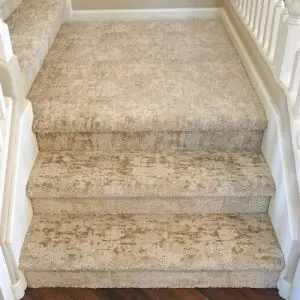
Walk barefoot across various rooms and on suspected trouble spots. Pain in the feet, pinchy subfloor, or feeling of ‘falling through’ are all red flags. Contrast high-traffic paths with infrequently used corners to locate uneven wear. If the paths are thin and the low traffic areas are thick, the pad probably needs replacing even if the carpet fibers appear fine.
Smell Test
Sniff carefully along seams, under furniture, and in corners for musty, sour, or pet odors that top cleaning won’t erase. These smells commonly originate from padding that has captured moisture, organic material, or mold spores, which are linked to indoor air quality issues and allergies.
Cut and lift a corner of carpet to expose the pad and then vent it out. Recheck the smell from 1 to 2 feet away; it will expose hidden stains and ground-in debris. If any lingering odor arises, change the pad. Stench can be a symptom of deep infection even if outward symptoms are minimal.
Create a checklist: age of carpet (typical life 5 to 15 years), visible wear (frayed fibers, matting, seams), pad condition (discoloration, compression, odor), and indoor air concerns.
Remember, cleaning can revive some carpets, but if it has been permanently matted or crushed, or is stinky, replacing it is the better bet in the long run.
Hidden Dangers
Old, damaged carpet padding can cause troubles that are too subtle to notice until they impact health, comfort, or the new carpet’s durability. Beneath new carpet, check for lurking perils. The most common hidden dangers are unhealthy indoor air, moisture intrusion and mold, allergens, lost acoustics, and not meeting green or building standards.
These problems can be subtle. A carpet that feels flat or hard to the touch often signals pad breakdown, and in multifamily buildings, padding issues may pass between units through floors and ceilings.
Air Quality
Old and/or contaminated padding imparts dust, microfibers, and smells to indoor air. Lightweight PE or IXPE foam underlayments degrade and can rub off particles that float through HVAC systems. Bad air can aggravate respiratory symptoms and irritation, and it’s especially pertinent for kids, seniors, and pets who spend long hours inside.
Changing your pad eliminates one constant source of dust bunnies and helps your body feel better. For sensitive homes, choose hypoallergenic or antimicrobial pads. These are treated to fight microbial growth and capture fewer allergens.
In multifamily or commercial applications, purchasing low emitting pads assists with certifications related to environmental performance and minimizes neighbor complaints.
Moisture
Moisture exposure is a typical way for carpet padding to become damaged. Water from spills, plumbing leaks, excessive humidity, or wet concrete subfloors saturates padding and remains trapped, lending itself to mildew and mold. Indications are stale smells, stained underlay, or a spongey carpet in some areas and flat in others.
Moisture barrier padding on concrete slabs or in basements prevents vapor migration and provides a breathable membrane where necessary. Tiny leaks can cause long-term damage if left unattended.
Get that wet padding out fast, dry the subfloor, and replace the pad. Whether it’s odor, staining, or persistent dampness, for each sign the answer varies from spot drying and cleaning to pad and carpet replacement with subfloor remediation.
Allergens
Stuffing can contain dust mites, dander, and other allergens that normal vacuuming won’t get. Over time, these particles settle into foam and fiber underlays and persist even after surface cleanings.
Swap out the padding in homes with allergy sufferers or multiple furballs to eliminate one layer of exposure. Opt for materials that resist allergen buildup, like closed-cell foams or antimicrobial-treated pads.
If you live in a shared building, think about pads that double as sound insulation. Torn padding is an allergen magnet and amplifies noise between units. Installing a pad is a smart move for healthy indoor air and long-term new carpet performance.
Material Matters
The padding you choose impacts feel, wear, and the carpet’s long-term performance. Various pad materials affect a carpet’s underfoot behavior, traffic handling capacity, and lifespan. Match padding to carpet type, room use, and subfloor conditions to achieve desired comfort, insulation, and durability.
Rebond
Rebond padding consists of recycled foam scraps that are bonded into one pad. It’s a standard, economical option and generally weighs around 8 lbs for a standard carpet pad, providing a reasonable compromise of softness and longevity.
Rebond is available in various densities and thicknesses, with high density rebond resisting compression in busy hallways and living rooms, while thinner grades are ideal for closets or low-traffic areas. For high-traffic areas, rebond is generally preferred as it absorbs shock and prevents matting and distortion, enabling carpets to escape the early death that can otherwise reduce life to 3 to 5 years.
For example, a 10 mm, high-density rebond under a loop pile in a family room will keep tufts from crushing, whereas a thinner rebond layer might be fine under a short-pile bedroom carpet.
Foam
Foam pads provide a softer, lighter sensation and compress quicker when subjected to heavy use. Plain urethane foam is cheap and squishy, so it pairs well with bedrooms, guest rooms, or other low-demand spaces where fluffiness trumps density.
High-resilience urethane foam, on the other hand, stays in shape far better than cheap foam because it bounces back more readily, which postpones crush. Foam types and applications include low-density foam for bedrooms, medium-density urethane for light living areas, and higher-resilience foam for rooms with occasional traffic.
In a high-traffic foyer, for example, foam can flatten and reduce carpet longevity. Foam offers some insulation and sound absorption as well, but not as much as the denser alternatives.
Fiber
Fiber pads, which come in natural or synthetic varieties, provide a firmer, stable support that is suited to some carpet styles. They’re frequently selected for Berber or commercial carpets that require a firm foothold and eschew fuzzing.
Felted slab fiber pads stand up to permanent compression and can be used over radiant floor heating because they are heat-tolerant and maintain their shape. Compare thickness and density carefully: a denser fiber pad will extend carpet life and reduce wrinkles, while a thin fiber pad might be chosen for tight commercial loops.
Fiber pads provide thermal insulation and help absorb sound, which comes in handy in multi-story homes where echo is a concern.
|
Material |
Pros |
Cons |
|---|---|---|
|
Rebond |
Durable, affordable, good for traffic |
Heavier, varies by quality |
|
Foam |
Soft, lightweight, comfy |
Compresses faster, less durable |
|
Fiber |
Stable, heat‑resistant, long‑lasting |
Stiffer feel, higher cost |
The Installer’s View
Installers see padding as more than a comfort layer. It is a functional component that affects fit, lifespan, and performance of a new carpet. Before any H3, note that assessing the pad is part of the job. It tells the installer whether the subfloor needs repair, which pad type will work, and whether warranties remain valid.
Subfloor Issues
Worn out or unlevel subfloors make you change your padding choices. If joists sag or plywood is cracked, a cheap or recycled pad will just exacerbate the issue and translate stress into the carpet. Concrete slabs can display moisture that a used pad will not hold back.
Installers check moisture with a meter and might suggest a vapor barrier or closed-cell pad appropriate for concrete. Inspect for moisture, cracks or loose wood prior to new carpet and pad installation. Tight little cracks can be filled, but active moisture and rot must be addressed first.
Installers look for wood scraps, old tack strips or hidden nails that will puncture a pad. Clearing the rubble is typical grunt work. Some padding is more appropriate for a subfloor and system than others. For radiant-floor heating, thick, low-R-value pads that permit heat transfer are selected.
On concrete, closed-cell or rubber pads stop moisture absorption and mold. Subfloor issues are dealt with first. Installers will not install a pad until the floor is flat, clean, and dry.
Installation Quality
New, good-quality padding assists in a smooth fit and professional finish. A condensed, uniform pad reinforces seams and edges, minimizes wrinkling, and holds carpet firmly in place. Installers with the right tools, such as seam rollers, knee kickers, and stretchers, combine an appropriate pad with proper methods to fasten the carpet.
Wrinkles, ripples, and premature wear are often caused by improper or reused padding. Re-purposed padding can compress unevenly, unraveling strategic carpet arrangement and jeopardizing premature demise. Expert installers avoid these consequences by selecting pads that correspond with carpet pile height, traffic expectations, and manufacturer recommendations.
Installers can make or break the look of your carpet, so work with experts. A quality installer checks underlayment requirements, measures and fits the carpet exactly, staples edges and manages transitions.
Critical steps where padding plays a significant role encompass subfloor preparation, padding cutting and taping, stretcher work, and final trimming, all of which impact long-term functionality.
Future Problems
Hanging on to stale or mismatched padding causes expensive repairs or carpet replacement. Insidious problems in second-hand pad, such as mold, crushed foam, or rebounded foam, might not appear until the carpet has worn in. This can void warranties and diminish comfort.
Change padding proactively when in doubt. The Installer’s View Recording pad type, thickness and installation details leave a record for future maintenance and warranty claims.
They understand, as do our installers, that a job done right results in a carpet that feels right underfoot and remains beautiful for years to come.
Conclusion
Quality padding increases your comfort, reduces sound and extends carpet life. Inspect the padding if the carpet exhibits dips, is thin to the touch, or has an unpleasant odor. Old or cheap foam frequently crumbles in five to ten years. Dense felt or rubber pads wear longer and provide a firmer sensation. Installers check tack strip fit, seam gaps, and pad thickness. Wet spots, heavy traffic or a musty smell indicate replacement. A quick test is to press the carpet with a hand and watch for slow rebound or flat spots. Small rooms can get new pad when you replace carpet. For big jobs, compare the cost of pad and labor to remaining carpet life.
If in doubt, get one pro’s estimate and one local shop quote.
Frequently Asked Questions
Does carpet padding always need to be replaced when installing new carpet?
No. Padding only has to be replaced if it’s damaged, compressed, aromatic, or not suitable for the new carpet. See and try before you decide.
How can I tell if the padding is worn out?
Press in multiple locations. If it remains compressed, feels bumpy or has permanent indentations, it’s used up and needs to be replaced.
Are there health risks from old carpet padding?
Yes. Old padding, especially if it was wet or not well maintained, can house mold, dust mites, and allergens. Replace to enhance indoor air quality.
Will reusing old padding affect carpet warranty?
Yes. Many carpet makers insist on new padding for their warranty to remain in effect. Read the warranty before reusing padding.
What type of padding should I choose for new carpet?
Select Padding by Carpet Type and Room Usage. High-density foam or rubber for high-traffic areas. Softer foam for bedrooms. Follow the manufacturer’s suggestion.
Can a carpet installer tell me if padding needs replacement?
Yes. We are not experts in the field of carpet padding and therefore cannot offer much in the way of advice.
How much does replacing padding typically add to the cost?
Replacing padding typically adds 10 to 25 percent to total carpet installation cost, based on padding quality and size of area. Request an itemized estimate.