

Key Takeaways
-
Porcelain tile and LVT provide excellent water resistance and low maintenance, which are among the reasons why they are the number one selections for indoor-outdoor pool areas. Opt for textured, UV-resistant finishes to enhance safety and durability.
-
Natural stone and composite decking offer stylish, hardy poolside solutions that are quite slip resistant when properly sealed and finished. Composite is practically maintenance-free in the outdoor elements.
-
Focus on slip-resistant surfaces, water barriers and chemical resistance to keep everyone safe and your floors intact. Be sure to try before you buy for barefoot comfort and heat resistance.
-
Get subfloors ready, employ water-resistant grout and sealants, and slope for drainage so you are not left with water damage and standing water throughout installation and following.
-
Strike a balance between aesthetics and function by complementing colors and textures between your indoor and outdoor living spaces to maintain that indoor-outdoor flow while choosing materials that deflect heat and resist fading.
-
Think sustainable, low-VOC, and durable such as recycled composites or responsibly sourced stone to minimize environmental impact and lifecycle maintenance.
===
Best flooring for a home near a pool. Common favorites are textured porcelain tile, sealed natural stone, and composite deck that repel water and chlorine.
Smart choices combine traction, low maintenance, and UV resistance and still comply with local building codes and budgets. Climate and pool use dictate material selection.
The main text covers advantages, disadvantages, and installation advice for each.
Top Flooring Choices
Choosing flooring for around a pool is a balancing act between safety, durability, aesthetics, and climate suitability. Here are our top picks with real-world notes on performance, maintenance, and best applications.
1. Porcelain Tile
Porcelain tile’s excellent water resistance and low maintenance make it a go-to selection for indoor and outdoor poolside areas. Textured finishes lessen the chance of slipping when jumping into the pool, so seek a rated anti-slip finish or a cleated texture for wet areas.
Of course, select tiles with UV-resistant glazes and pigments so colors maintain under extended sun exposure. Porcelain installs beautifully for a fluid transition from interior living rooms to patios, assisting to unify design while withstanding heavy foot traffic.
Make sure the substrate and the grout system are designed to move and drain freely so that there aren’t any standing puddles of water trapped, which will reduce service life.
2. Natural Stone
Natural stone lends a classic, rustic feel that is perfect for poolside settings. Both travertine and slate are well-known for their natural grip and resistance to wear, and they remain visually attractive when sealed.
Sealing is necessary to protect against moisture penetration, stains, and freeze-thaw damage in colder climates. Coordinate stone tones with surrounding patios, planters, and showers for an outdoor palette.
Consider local climate. Some stones weather differently under intense sun or high humidity, so choose species and finishes suited to your region.
3. Luxury Vinyl
Luxury vinyl mimics wood or tile aesthetics with the added benefit of 100% waterproof capabilities and simple upkeep. It’s soft underfoot and usually remains fairly comfortable barefoot.
Its closed surface resists mold and microbes. Install luxury vinyl in any living spaces that open to the pool, as it is easy to clean and seamless in design.
Choose UV stable products if large areas of glazing expose floors to sunlight. Don’t forget that subfloor prep and moisture barriers impact results down the road.
4. Polished Concrete
Polished concrete works well for expansive patios and contemporary poolscapes, valued for its thermal stability and durability. Apply a matte or supplemental slip-resistant finish in areas where bare feet prevail.
A glossy surface can be slippery when wet. Concrete withstands high traffic and sun exposure without quick fading, and it can be finished to resemble resin or stone.
Well-designed drainage and control joints keep cracks and water pooling at bay, maintaining both appearance and function.
5. Composite Decking
Composite decking provides a faux wood look with maximum water resistance and minimal upkeep. It fights splinters, holds color longer than certain woods and is nice on bare feet.
Composites excel in humid, salty or sunny locations. It’s best to compare brands for heat retention because some don’t get as hot on bright, sunny days.
Invest in quality and make sure your hidden-clip systems permit water runoff and air circulation to prolong life.
Critical Selection Factors
Choosing the right flooring for a home near a pool requires clear priorities: safety, water resistance, durability, and maintenance. Think about the impact of salt, sand, humidity, and constant wet traffic on materials. Specific rooms require specific performance.
Kitchens and bathrooms need moisture control, while living rooms seek comfort and acoustics. Weigh cost and installation complexity, and follow the Rule of 3 for visual flow. Limit to three materials and use a 60/30/10 split for dominant, secondary, and accent surfaces.
Safety First
Slip resistance is our #1 priority where people walk wet. Seek out flooring with a proven slip rating or an embossed matte finish. Both matte and satin finishes conceal dust and scratches and provide traction.
Steer clear of slick polished tile and uncoated bare concrete. Thresholds, steps and door transitions should be flush and have defined tactile edges to minimize trip hazards. For easy access from pool deck to inside, use slip strips, beveled thresholds or transition strips with the material height so nothing catches.
Water Resistance
Pool floors must withstand constant wetting and occasional standing water. Waterproof luxury vinyl and select ceramic tiles are good options, along with waterproof laminate if seams are well sealed. Proper installation is critical.
Underlayment, expansion joints, and edge sealing keep moisture from reaching the subfloor. Physical selection considerations indoor pool rooms must be tested for water tracking by simulating wet feet and towels. Some products show water stains or swell.
In coastal environments, go with salt-tolerant materials that won’t rust or delaminate from chloride.
Durability
Fabrics must withstand sun, chlorine, and heavy foot traffic without cracking or fading. Porcelain tile, premium quality exterior wood alternatives, and stone-look porcelain generally resist chipping and UV better than natural stone.
Verify manufacturer information for scratch and pool chemical resistance. Select products with long-term warranties and proven performance in comparable climates. Durability affects lifecycle cost. Cheaper materials can cost more over time if they require frequent repair or replacement.
Maintenance
Hardworking homeowners require low-maintenance surfaces that fight stains, sticker gunk, and bacteria. Smooth, non-porous surfaces are easier to clean and sealed grout or no grout systems prevent mildew.
Establish a routine: rinse pool deck areas daily and deep-clean periodically to remove salt and organic buildup. Check warranty and stick to installer recommendations for cleaning agents to maintain warranties.
Critical selection factors balance ease of care with aesthetics so the floor remains beautiful and safe with minimum effort.
Design Considerations
Design considerations – choosing flooring around your pool is a balance between safety, durability, comfort, and visual cohesiveness. Keep in mind moisture, slip resistance, thermal considerations and transitions. Prepare the subfloor and consider expansion, elevation changes, and door clearances pre-installation.
-
Flooring choices and how they fit overall aesthetics:
-
Porcelain tile: clean lines, wide color range, pairs well with modern patios.
-
Natural stone (limestone, travertine): warm, organic look for Mediterranean or tropical styles.
-
Textured concrete or stamped concrete: seamless with large terraces, suits minimalist homes.
-
Exterior-grade wood or composite decking: adds warmth, works with wooden gates and pergolas.
-
Luxury vinyl plank (LVP) with water ratings: interior continuity, matches indoor living rooms.
-
Rubber pavers or EVA tiles: casual, sporty look around family pools.
-
Polished or honed finishes complement metal or glass railings of modern houses.
-
Indoor-Outdoor Flow
Choose flooring that connects indoor rooms and the pool zone outdoors, both visually and physically. Try to use the same material or something close to it on your patio and adjacent interiors so that you have one continuous plane that minimizes visual breaks.
Design thresholds so that they don’t create abrupt changes in level. Make sure door clearances are adequate and that doors won’t bind when exterior materials contract or expand. Secure transition pieces at joins to protect edges and provide a clean finish.
Think about moisture-rated systems inside by exterior doors and guard yourself with subfloor prep to prevent buckling or mold in areas where moisture can seep in. All the expansion joints must be located so the materials can move without cracking. For safety, opt for slip-resistant finishes on the threshold and within the initial couple of meters of the pool.
Color and Texture
Go for the lighter colors that reflect sunlight and make each surface nice and barefoot friendly. Textured hides water marks and small debris. Go for medium texture to balance between slip resistance and cleanability.
Match tones to pool water and surrounding paving and planting to make the outdoor room feel purposeful, not arbitrary. Examples include cool gray porcelain tiles that pair with blue pool liners, warm travertine that works with beige sands and terracotta planters, and teak or brown composite that blends into tropical planting schemes.
|
Material |
Typical Colors |
Texture Options |
Best Visual Uses |
|---|---|---|---|
|
Porcelain tile |
Light gray, beige, white |
Matte, sandblasted, grip |
Modern terraces, indoor continuity |
|
Travertine/limestone |
Cream, tan |
Honed, tumbled |
Classic, warm settings |
|
Composite decking |
Brown, gray |
Wood grain, ribbed |
Transitional decks, pergolas |
|
Rubber/EVA |
Bold colors |
Pebbled, grooved |
Play areas, family pools |
Heat Reflection
-
Porcelain with light glazing
-
Travertine and limestone
-
Light-colored stamped or broom-finished concrete
-
Composite decking with reflective pigments
-
Rubber with heat-resistant formulations
Steer clear of heat-storing dark surfaces. Test samples at peak sun hours with bare feet to ensure comfort. Pick materials that remain supple beneath your feet. Rubber-backed mats need to be certified for your floor of choice to avoid slipping or chemical degradation.
The Barefoot Test
Consider the barefoot test, how comfortable and safe a surface is to walk on barefoot, especially when wet. It quantifies slip resistance, texture, temperature response and overall comfort so homeowners can select poolside flooring that is both safe and enjoyable for family and guests.
Underfoot Comfort
Go for flooring with some ‘give’ or a textured finish, so folks can stand and walk without foot fatigue. Softer compounds, such as rubber tiles or cushioned composite decking, absorb impact and have a less hard feeling to the barefoot.
Beautiful natural stone can bite, so choose honed or flamed instead of polished if you want less abrasiveness. Choose fabrics that retain traction when wet and steer away from slickened highly polished surfaces.
Textured porcelain, some pavers with non-slip finishes, and grooved timber alternatives maintain grip without feeling abrasive. Think mats or inset walkways where you stand longer, for example, by stairs or ladders.
Check comfort for kids and adults – try flat-foot stands, heel-to-toe walks and short runs. Kids require softer, forgiving surfaces for less stumbles. Adults need balance and coolness.
Practical list of best underfoot comfort options: rubber tile, cork composite, textured porcelain tile, cushioned PVC decking, and certain engineered wood with non-slip coatings.
Temperature Impact
Test in sun and heat to see how they behave thermally. Metals and dark natural stone heat up fast and get hot enough to give you blisters. Lighter colors and materials with low thermal mass remain cooler.
Select options that reflect sunlight and dissipate heat: light-colored porcelain, bleached timber composites, and rubber-based tiles with UV-stable pigments. Permeable pavers with sand gaps reduce retained heat by letting air flow.
Keep away from black stone and bare concrete, exposed to full sun, and untreated metal that scalds. Displayed approximate surface temperature tendencies (typical peak in full sun, degrees Celsius):
|
Material |
Typical peak °C |
|---|---|
|
Dark stone (granite) |
60 |
|
Light porcelain tile |
40 |
|
Rubber tile (dark) |
45 |
|
Composite decking (light) |
42 |
|
Concrete (exposed) |
55 |
Chemical Resistance
Porcelain tiles with low porosity withstand chlorine and pool chemicals. Epoxy-coated concrete resists splashes and cleaning solutions. Vinyl and PVC decking resist most common pool sanitizers.
Some natural stones, when treated with sealers, repel stains but might require re-sealing. Choose things that won’t stain or degrade from chlorine, salt, or sunscreen oils.
Try samples with diluted pool water and common cleaners, then check in 24 to 72 hours. Inspect seams and grout for deterioration from multiple shower or splash exposure.
Other chemically resistant options are glazed porcelain, commercial grade vinyl, epoxy coatings, and sealed engineered composites.
Installation Nuances
Installation nuances. The sections below address subfloor prep, grouts and sealants, and slope-to-drain. Each covers what to do, why it is important, where to implement particular strategies and how to check outcomes.
Proper Subfloor
Check existing substrate for cracks, movement and moisture before selecting material. Concrete slabs must be vetted with a moisture meter, plywood has to be rot-free and nailed to joists with blocking to prevent bounce.
Certain flooring, such as stone or exterior porcelain, will require total tear-out and a new concrete pad, whereas modular deck tiles or vinyl planks can frequently be installed atop a smoothed, well-prepared walkway substrate.
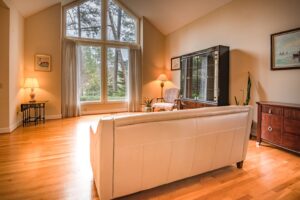
So that it’s level and does not create trip hazards or water pooling. Self-level on uneven concrete up to certain depths, or lay a cement backer over wood for tile.
When installing close to stairs and ladders, make a solid transition with threshold strips and tapered screeds to maintain a clean and safe edge.
Moisture barriers and vapor retarders are essential where ground or pool evaporation can migrate upward. A polyethylene sheet or liquid-applied membrane helps protect laminate and engineered wood in light-use transitional areas.
Match barrier type to the finished material: cementitious membranes under tiles, breathable membranes under natural stone, and full vapor barriers under water-sensitive laminates. Tailor subfloor prep to the material: stone often needs a mortar bed, tile requires a backer board or reinforced thinset, and floating vinyl needs an ultra-flat surface.
Consider thermal comfort: some floors feel colder underfoot, so add insulation or radiant heat conduits when needed.
Grout and Sealants
Choose grout and sealants that include water resistance and mold inhibitors for long-lasting results. Epoxy grout is more stain and moisture resistant than cementitious grout and is appropriate for high splash areas.
Use polymer-modified cement grout where flexibility is needed. Seal natural stone and porous tiles to inhibit water penetration and staining. Reseal schedules vary: high-use areas may need sealing every one to two years.
Lower-use covered spaces require less frequent work. Certain substrates require sealing for warranty purposes. That’s gross. Keep your grout lines skinny and even for sanitary reasons and ease of cleaning.
Wide joints collect dirt and promote mold. We recommend epoxy grout tiles, penetrating silane or siloxane for stone, and polyurethanes for perimeter and control joints.
Drainage Slopes
Lay out slopes to direct all water away from the pool and living spaces at a minimum of approximately 1 to 2 percent, which is 10 to 20 millimeters per meter grade depending on code. Use slow gentle slopes to avoid standing water and slipperiness.
Install drainage channels or elevated peg-style outdoor tiles where rapid drainage is required. A few outdoor tiles utilize integrated pedestals to enable immediate drain.
Check slope and drainage with local building codes and test with a hose to ensure flow. About installation nuances. Here are some installation nuances: Put mats under ladders and at doorways to catch splashes and protect finishes.
Sustainable Solutions
Sustainable solutions for flooring around a pool begin with materials that minimize environmental impact without sacrificing performance requirements for wet, high-traffic areas. Consider life-cycle impacts, from sourcing raw materials and manufacturing energy to durability, maintenance, and end-of-life reuse or recycling. More durable life frequently compensates for greater up-front expense with reduced replacement and waste.
Go with sustainable materials such as recycled composite decking or wood harvested responsibly. Recycled composite made from post-consumer plastic and reclaimed wood fibers stands up to moisture, rot, and fading and regularly needs minimal maintenance. Seek out high recycled-content percentages and third-party certifications.
For wood, choose FSC or equivalent certified species, guaranteeing the timber’s origin in well-managed, regrowable forests. Top-layered engineered hardwood is another way to minimize raw timber while maintaining a warm look.
Use low-VOC products to preserve the air inside and outside of neighboring units. Flooring adhesives, sealants, and finishes can release VOCs into the air which degrade air quality and can aggravate symptoms. Opt for water-based, low-VOC sealers and paints and refer to product labels or EPDS for exact VOC limits.
This reduces off-gassing around the pool, which is particularly beneficial where doors or windows open indoor living spaces to the pool terrace. Choose durable materials to reduce replacement and minimize long-term environmental costs. Matte, textured porcelain tile provides excellent water resistance, UV stability and scratch resistance while enduring for decades.
There’s high-density natural stone, properly sealed and textured, which does great but demands heavier installation and periodic resealing. You need slip resistance; opt for materials that are rated for wet traction to prevent slip hazards or early surface degradation.
Feature sustainable solutions that tackle poolside. Recycled rubber pavers, made from reclaimed tires, offer shock absorption, slip resistance, and good drainage. They can be recycled again at the end of life. Porcelain and certain natural stones perform well in durability and recyclability.
Porcelain is frequently manufactured with substantial recycled content. Exterior-treated bamboo is a renewable alternative if it is certified and maintained. It has a lower carbon footprint than numerous exotic woods.
Weigh trade-offs: some low-impact materials need more care or use more energy to produce. Consider full costs, upkeep, and local recycling or disposal options before selecting. Sustainable options not only minimize pollution and conserve resources, they embody your principles and provide lasting worth.
Conclusion
Selecting the perfect floor by a pool reduces hazard, enhances coziness, and maintains convenience. Choose textured porcelain or natural stone with excellent slip resistance. Opt for dense hardwood-look vinyl or exterior-grade composite for minimal water damage and easy cleaning. Match color and grain to camouflage wear and wandering water. Try a sample in wet light to touch the surface and measure heat under the sun. Consider budget, maintenance time, and local weather. For green picks, choose recycled or fast-renew materials and long-life finishes. Little interventions, such as wider grout joints or a raised threshold, prevent water migration and repairs down the road. Ready to choose a floor? Put two samples side by side and see how they feel and drain.
Frequently Asked Questions
What flooring holds up best to constant pool moisture?
Porcelain or textured natural stone floor tiles perform best. They’re water resistant, won’t buckle, and offer grip. Porcelain has the lowest water absorption along with durability and ease of maintenance.
Is wood a good choice for areas near a pool?
Engineered wood with adequate sealing can function in covered or low-splash areas. Solid hardwood is risky because of moisture and swelling. Choose wood only if it is not in a direct, heavy splash zone.
Which flooring is safest to prevent slips?
Opt for high slip-resistance rated materials, such as textured porcelain, non-slip natural stone, or specialized vinyl with a grippy coating. Seek out tiles with wet area and anti-slip ratings.
How do I maintain flooring near a pool to extend its life?
Rinse and sweep to eliminate chlorine and debris. Use pH-balanced cleaners and reseal stone or grout as needed. Wipe up puddles immediately and repair drainage or leaks to prevent damage over time.
What are cost-effective options that still perform well?
Luxury vinyl tile (LVT) and porcelain tile strike a good balance between price and performance. LVT provides warmth and softer footfall. Porcelain provides increased durability and water resistance. Both are inexpensive relative to high-end stone.
Can I use outdoor-rated flooring indoors near the pool?
Yes. Outdoor-rated porcelain, composite decking, and some stones are great indoors. They withstand wetness and UV rays. Verify the product is recommended for indoor installation and check slip ratings.
Are there eco-friendly flooring choices for poolside areas?
Yes. Recycled porcelain, FSC-certified engineered wood for minimal splash zones, and recycled composite decking reduce environmental impact. Look for low-VOC adhesives and sealants to keep the indoor air healthy.