
Key Takeaways
-
Select inexpensive, big-impact flooring upgrades such as luxury vinyl, updated laminate, neutral carpet, or floor paint to quickly rejuvenate any space and make sure your upgrades match the home’s price point and neighborhood.
-
Focus on high-traffic rooms like the entry, kitchen, and living rooms to get the best ROI and appeal for buyers.
-
Stick to materials and colors within the main living areas, using a neutral palette so your home has a cohesive, larger-feeling quality that photographs beautifully for listings.
-
Balance DIY and professional installation: Do simple, low-risk jobs yourself and leave more complex work to licensed installers to avoid expensive mistakes.
-
Spend the money on really good quality underlayment, transitions, and baseboards because they will make people feel that there is value there and that the work was done carefully.
-
Stage, light, and photograph upgraded floors cleanly and minimally so that you can show off those upgrades and get extra buyer interest online.
Cheap flooring upgrades before listing a home. Easy choices are fresh trim paint, vinyl plank overlays, and deep clean or re-stain of existing hardwood.
These options are inexpensive, photograph beautifully and cut time on market. Home sellers tend to receive higher offers after obvious floor upgrades.
Below are the budget ranges, tools and step-by-step tips for each of these options.
Cost-Effective Options
Flooring updates don’t have to be expensive to stand out to buyers. Hit materials and hacks that re-imagine look, increase wearability and match the home’s budget. Focus on high-traffic rooms like kitchens and living rooms for maximum ROI and pick something that fits your neighborhood so the upgrade feels right, not off.
Affordable materials that boost home value:
-
Luxury vinyl plank (LVP) or tile.
-
Contemporary laminate with water-resistant cores.
-
Neutral, low-pile carpet in bedrooms and hallways.
-
Floor paint for concrete, basements, and garages.
-
Refinished existing hardwood as opposed to full replacement.
1. Luxury Vinyl
Luxury vinyl plank or tile is sturdy, water-resistant, and looks nearly identical to genuine hardwood. It is a fraction of the price of hardwood, yet provides consumers with the aesthetic they desire, assisting them in areas where moisture or dog paws are an issue.
Maintenance is simple: sweep and mop with a mild cleaner, and it resists stains better than wood. Put LVP in kitchens, bathrooms and mudrooms to alleviate any buyer pause about moisture.
For staging and photos, the correct grain and plank width can read modern not cheap — appealing to those sharp buyers who appreciate both look and functionality.
2. Modern Laminate
New laminate has realistic wood finishes for a fraction of the cost and installs fast, both of which work well for time-pressed sellers. Choose a strong wear layer and water-resistant technology so the floors stay crisp for showings.
Opt for laminate in the bedrooms and living areas to get that updated feel without the big price tag. Scratch-resistant options keep floors looking presentable right through open houses.
Popular quick click systems routinely allow contractors to complete an entire room in a day and reduce inconvenience.
3. Strategic Carpeting
New carpet in bedrooms or hallways will introduce warmth and assist sound dampening, increasing perceived quality. Opt for neutral hues like beige, gray, or warm taupe to cater to general preferences.
Professional steam cleaning can bring older carpet back to life and eliminate odors or stains for very little cost. Steer clear of bold colors or patterns.
They’ve been shown to reduce appeal among buyers and trigger discounting.
4. Floor Paint
Floor paint rejuvenates concrete, basement, or garage floors fast and affordably. Light, neutral colors make small rooms appear larger and provide a fresh, polished appearance.
What a DIY treat – high impact for low outlay. Painting tile grout lines in bathrooms or kitchens crisps appearance without replacing tile.
5. Existing Hardwood
Refinishing existing hardwood by sanding and staining restores luster and frequently beats replacement hands down. Repair small scratches and minor buckling instead of swapping out entire planks to keep costs down.
Real hardwood continues to be a top buyer attractor. Ease of refinishing can wow appraisers and agents with no big cost.
Strategic Selection
Strategic flooring selection ignites first impressions, sense of quality, and resale potential. Focus upgrades where buyers look first: entryways, kitchens, and main living spaces. Little, strategically chosen changes often trump a full remodel in terms of cost effectiveness and buyer appeal.
Color Palette
Select a standard, neutral color scheme for all flooring to tie the home together and broaden appeal. Light to medium neutrals, such as pale oak, warm beiges, and greys with brown undertones, read as modern and expand perceived space. Dark floors can appear sophisticated but can also constrict the tiniest of rooms.
Don’t pick a heavy-handed stain or high-contrast color that short-circuits buyers’ dreams. Reference trending colors in recent listings: natural oak shades, cool greys, and honey-toned maple remain common. These picks span styles from modern to classic and complement most furniture colors.
Choose colors that don’t date a home quickly. Neutral floors combine with new wall painting and lighting for a staged effect that translates nicely in photos and to the naked eye.
|
Color Option |
Perceived Effect |
Best Use |
|---|---|---|
|
Pale oak (light beige) |
Brightens, makes rooms feel larger |
Entry, small living rooms |
|
Warm maple (honey) |
Inviting, traditional warmth |
Kitchen, dining areas |
|
Cool grey oak |
Modern, pairs with cool palettes |
Open-plan living spaces |
|
Medium brown |
Classic, hides wear better |
High-traffic family rooms |
Material Consistency
Use the same flooring through main living areas to create flow and a higher perceived value. Fewer transitions reduce clutter and imply intentionality. Hard surface floors through the entry, kitchen, and living room seem fresh and functional.
Buyers love surfaces that withstand everyday abuse. Minimize material changes from room to room. Each transition is a tiny friction point for buyers. Where change is unavoidable, deploy neat transition strips and coordinating thresholds.
Highlight continuity in listing photos and descriptions. Seamless flooring reads as a quality upgrade and shows better in marketing. Hard surfaces in traffic areas suggest durability and low maintenance.
Hardwood refinishing costs between $3 and $8 per square foot, compared to $3 and $11 for carpet, so consider cost against visual impact.
Buyer Appeal
-
Engineered hardwood: durable, looks high-end, low maintenance
-
Luxury vinyl plank: water-resistant, budget-friendly, many styles
-
Low-pile neutral carpet: soft, cost-effective for bedrooms
-
Tile in wet areas: long-lasting, easy to clean
New floors pop during showings and inspections and help take the worry about immediate repairs off the buyers’ minds. Allergy-minded buyers prefer hardwood to carpet.
Before-and-after photos are persuasive; they show how cohesive color and material choices improve flow and light and how small investments can speed up sale and increase perceived value. New carpet returns 50% to 80% of cost, but strategic hardwood or vinyl often generates a greater resale impact.
The Luxury Illusion
Create a clear visual before diving into specifics: modest materials, smart details, and careful staging can make a space feel expensive without a large spend. The subsections below describe how the basics — underlayment, transitions, and baseboards — team up with hardware and staging to market a more upscale feel.
Quality Underlayment
Spend your money on underlayment that is appropriate to the room’s condition and the type of flooring. A thick foam or cork pad injects bounce beneath vinyl plank or engineered wood, making footsteps more solid and less hollow.
For multi-family or active households, select underlayment with sound control certifications. It reduces impact noise and provides a quieter, more polished ambiance.
Around wet areas, use moisture-resistant or thin rubber underlayment that protects from damp and minimizes warping possibilities. Kitchens, bathrooms, and basements require that additional buffer even beneath water-resistant floors.
Checklist — underlayment must-have:
-
Material type: foam for basic padding, cork for insulation, both thermal and acoustical, and rubber for maximum resistance.
-
Thickness and density: match manufacturer guidance. Thicker isn’t necessarily better for door clearances.
-
Moisture protection: vapor barrier or treated product for damp rooms.
-
Sound rating: Aim for high impact insulation for multi-level units.
-
Installation notes: Overlap seams where required and trim around thresholds for a flat finish.
Seamless Transitions
Opt for transition strips that blend in with the flooring or remain intentionally neutral. Metal or wood profiles that mimic the floor color appear seamless. Slim, low-profile thresholds minimize visual disruptions and make areas feel bigger.
Mount strips flush so doors swing easily and there is no annoying lip. Avoid sudden flooring transitions from room to room. Opt for one floorboard direction and color scheme to keep the plan open.
Smooth transitions are practical: they cut tripping risks during showings and signal care in workmanship, which buyers notice even if they don’t name it. Realtors and inspectors love tidy thresholds because they signal total renovation.
That small bit can influence a sense of quality and support a premium asking price.
Upgraded Baseboards
Trade in skimpy, inexpensive baseboards with a narrow top cap for taller, cleaner profiles that frame the floor. A 120 to 150 mm (12 to 15 cm) baseboard sounds more custom than a 70 mm one and conceals minor installation gaps between wall and floor.
Paint or replace scuffed trim. Even small paint touch-ups sharpen the room’s edges. Select a profile with a discreet bevel or bead for that traditional, luxury appearance.
Pair the baseboard color to wall paint, either a crisp white for contrast or a soft hue to blend, so the floor, trim, and walls feel deliberate. Fix dents, caulk seams, and use stain-blocking primer where needed to keep finishes consistent.
Installation Decisions
Installation determinations for new flooring impact price, timing and the impression of potential buyers. Think about budget restrictions, probable ROI and whether the work will postpone the listing. Tiny upgrades should be aimed at that 1 to 3 percent chunk of your home’s value; otherwise, you’re just eating into your profit since every dollar you spend should return more than a dollar at closing.
Use those benchmarks to decide between the DIY and pro routes.
DIY Assessment
Be candid in evaluating skills. Underlayment, cut or moisture barrier mistakes can result in big repair bills down the road and damage buyer confidence. Begin in contained, low-risk spaces – a closet, a pantry or a laundry room where mistakes are confined and the substrate runs thin.
Collect tools such as a good saw, tapping block, spacers, straight edge and a quality underlayment before you begin. Stopping mid-job raises both costs and schedule risk. Read and adhere to manufacturer instructions exactly, from acclimation times to adhesive open time, so warranties stay intact.
Factor in time: a weekend warrior may take several weekends, which can push listing dates. If timing is tight, DIY may cost you in lost market opportunity.
Professional Value
Licensed installers have technical expertise that makes a difference when subfloors are uneven, moisture is an issue, or configurations are complicated. Pros can locate and repair underlying issues such as rot, joist problems, or slopes that need to be resolved before cosmetic work.
Structural fixes are more important than surface upgrades for resale. Get written quotes with labor breakdowns, materials, and timelines. You don’t want surprise costs! Request references and confirmation of insurance and permits where applicable from installers.
Market your home with professional installation on record as it puts a buyer’s mind at ease and takes negotiation ammunition away. Still, luxury finishes installed in streets of modestly priced homes rarely bump up the selling price on a consistent basis. Pair product quality with like listings.
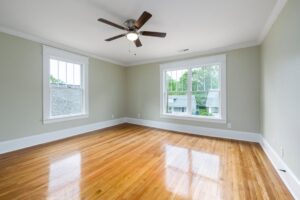
Blend DIY and professional work to stretch the budget. Do easy rooms and prep work yourself, then bring in the big guns for bathrooms, kitchens, or open-plan spaces where seams and transitions are apparent.
Keep total remodel expenditures close to area averages and under the 30% guideline for major remodels. Most pre-sale upgrades are in the 1 to 3% range. If repairs are major or time is tight, selling as-is is a legitimate path in many markets as well.
Critical Mistakes
Little, inexpensive enhancements can help nudge a purchase. Certain options are worse than useless. Here are typical flooring blunders, their probable outcomes, and how to sidestep them.
|
Mistake |
Consequence |
Example |
|---|---|---|
|
Skipping subfloor repair |
Buckled or squeaky floors; warranty voids |
New vinyl over a warped plywood subfloor lifts in months |
|
Ignoring moisture barriers |
Mold, delamination, health risks |
Laminate in a damp basement peels and smells musty |
|
Installing cheap laminate |
Perceived low quality; hurts asking price |
Thin, scratch-prone planks that show wear after staging |
|
Following extreme trends |
Narrows buyer pool; quick style turnover |
Pink-toned oak that dates property within years |
|
Mismatched flooring transitions |
Visual chaos; smaller perceived space |
Tile in kitchen, different laminate in living room without flow |
Ignoring Subfloor
Check subfloor prior to finish goes down. Search for rot, soft spots and cracks, secure loose joists or replace as necessary. Leveling is not an option. Uneven surfaces cause gaps, nail pops and buckling, and buyers see those immediately.
Bathrooms and basements – test for humidity and moisture intrusion. Damp subfloors will destroy a lot of floor types and invite mold. Add moisture barriers where applicable, especially over concrete slabs, and keep records of repairs for buyers and inspectors.
Make subfloor inspections part of your pre-listing checklist and you can prioritize repairs based on ROI, budget, and buyer expectations.
Trendy Choices
Trends are fleeting. What’s fresh today can be stale tomorrow. Go for neutral, long-lasting materials that have international appeal. Think mid-tone oak, engineered hardwood or quality porcelain tile over screaming reds or ultra-matte blacks.
Evaluate resale impact. Classic options sell faster and often recoup more of the investment.
Numbered comparison:
-
Classic hardwood or neutral tile has wide appeal and great resale value.
-
Or quality engineered wood offers lower cost, good performance, and a wide buyer base.
-
Mid-price neutral laminate is fine if it is good quality. Steer clear of cheap, thin, low-grade stuff.
-
Daring, fashionable colors or finishes are controversial and can decrease bids and days on the market.
-
Dumbass laminate sold as “new floors” usually gets spotted by buyers, inspectors, and otherwise brings down value.
Inconsistent Flow
A home should make sense. Too many floor types stop visual circulation and shrink spaces. Employ the same floor in open-plan spaces or seamless transitions using thresholds and inlay strips.
Inconsistent floors raise red flags. Buyers ask why rooms were altered piecemeal, and inspectors may note hidden patchwork over subfloor repairs. Repair mismatches when affordable.
Pad a single floor or add elegant transitions. Balance this with other repairs like electrical or roofing that can be bigger sale stoppers.
Maximize Impact
Flooring is a tactical selection that influences first impressions, perceived value and a home’s marketability. High-impact, low-cost upgrades more than pay for themselves in buyer interest. Concentrate instead on a short list of practical, cohesive alterations.
These include polishing and repairing existing floors, updating visible trims and introducing hard-wearing, low-maintenance surfaces in areas with heavy foot traffic. Such improvements boost perceived value and get places sold faster.
Staging
Leave furniture arranged to highlight the expanse and fluidity of new floors, keeping pieces sparse and scaled to the room so sight lines remain uninterrupted and buyers can see their flow from space to space. Eliminate thick area rugs that cover handyman work.
One nice looking runner can accentuate a hallway, but don’t mask the finish you want buyers to see. Remove clutter and personal items so buyers concentrate on the material quality and layout, not the seller’s lifestyle.
Add small accent decor that echoes the floor tone, such as ceramic vases, woven throws, or a rug with a thin border, to pull together a cohesive palette that helps the viewer envision the home as a finished product. Where budgets permit, hire a professional home stager for a room or two.
They will choose furniture and art that increase perceived value and make the floors feel like a design decision, not an afterthought.
Lighting
Replace or upgrade with fixtures that deliver uniform, color-accurate lighting. LED fixtures with a color temperature of around 2700 to 3000K tend to render wood and tile warmly without washing out grain or texture.
Maximize light by eliminating heavy drapery and cleaning windows. Sunshine dazzles and exposes real floor color, which is key to floors such as engineered wood or polished tile.
Using lamps and adjustable spotlights to minimize shadows along baseboards and showcase install quality or cool grain patterns. Swap out old fixtures to update the entire room.
Buyers see updates as a package deal, and lighting that compliments new floors indicates that new care was taken.
Photography
Get wide-angle shots that illustrate the same flooring flowing throughout multiple rooms, assisting remote buyers in visualizing flow and consistency. Take before and after photos to paint a strong value narrative.
These are compelling in listings and social feeds and support price point. On the floors, make sure they are swept and polished and free of small items. Even the slightest pebble reads as neglect in high-res snaps.
Use captions to highlight materials, maintenance advantages, and recent work. For example, they are highly resistant to wear in high traffic areas, or easy patching of carpet was done.
Add clarity, staging, and lighting so online photos provide a powerful first impression, supported by data and seen quality.
Conclusion
Nice flooring enhances buyers’ emotions. Choose options that look fresh, suit the home, and are cheaper than a complete overhaul. Vinyl planks and engineered wood provide powerful aesthetics on a shoestring budget. Refinish or patch solid wood in high-traffic rooms. Use rugs and trim to cover defects in lesser-used spaces. Make sure to match your tones to light and room size to really make spaces feel open. Hire a pro for challenging rooms and do it yourself where cuts are easy. Steer clear of quick flooring fixes before listing homes. Quick, clean craftsmanship and intelligent color options get you better offers more frequently.
Prepared to choose the top upgrade for your house? Request an action plan with your budget and timing.
Frequently Asked Questions
What are the cheapest flooring upgrades that boost resale value?
Vinyl plank, laminate, and fresh grout or tile cleaning. These options are cheaper than hardwood but have a modern look. They are attractive to many buyers and yield value by making your place look better and more durable.
Should I replace all flooring before listing my home?
Not necessarily. Target high traffic areas such as the kitchen, entry, and living room. Replace only if damage can be seen or styles have become dated. Smart updates save money and make a better buyer impression.
Can I create a high-end look without expensive materials?
Yes. Go for wide-plank vinyl or laminate, neutral colors, and the same flooring throughout the adjoining rooms. Add trim, fresh paint, and good lighting and you’ve taken it to a new level, all on the cheap!
Is DIY installation a good way to save money?
DIY for click-lock vinyl and laminate if you have the tools and time. Call in a pro for complex layouts, subfloor problems, or tile. Shoddy installation depreciates buyers’ confidence and value.
What common mistakes lower the impact of flooring upgrades?
Choosing bright or personal styles, disjointed transitions, and bypassing subfloor fixes. Bad color choices and DIY mistakes. Keep to neutral, consistent, and well-executed finishes.
How do I maximize buyer appeal on a tight budget?
Go with a neutral, durable flooring and patch obvious imperfections. Cheap flooring upgrades before listing a home include the little details; they make you look like a pro.
How much should I budget for a cost-effective flooring upgrade?
Expect a wide range. Basic vinyl plank often starts low per square meter, while quality laminate costs more. Consider the figure for materials, underlay, and potential professional installation. Get local quotes to budget precisely.